…Obi alleges reckless borrowing under Tinubu
…Aides defend record, cite inherited obligations
Daud Olatunji
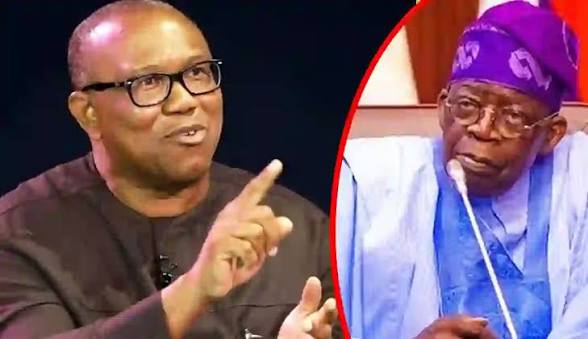
The controversy over Nigeria’s rising public debt intensified on Tuesday as former presidential candidate, Peter Obi, and the Federal Government traded fresh accusations over claims that the country’s debt profile has climbed to about ₦200tn.
Obi accused the administration of President Bola Tinubu of engaging in “reckless and unexplained borrowing,” insisting that Nigerians deserve full disclosure on how trillions of naira in loans have been spent amid worsening economic conditions.
In a statement posted on his verified X handle, Obi alleged that Nigeria’s debt stock had increased by over ₦100tn within three years under the Tinubu administration, compared to about ₦49tn accumulated during the eight-year tenure of former President Muhammadu Buhari.
He argued that the sharp rise in borrowing raises serious concerns about fiscal discipline and transparency, stressing that government must account for how funds were deployed, particularly on capital projects meant to stimulate growth.
Citing data attributed to the Budget Office, Obi claimed that the Federal Government borrowed ₦11.89tn between January and September 2025, exceeding its approved borrowing target of ₦10.34tn, describing the development as evidence of weak fiscal control.
He further alleged that while ₦17.58tn was budgeted for capital expenditure, only about ₦3.10tn of borrowed funds was traceable to capital projects, questioning the whereabouts of the balance.
“What happened to the balance?” he asked, warning that failure to provide clear explanations would further erode public trust in fiscal governance.
However, the Presidency swiftly dismissed Obi’s claims, arguing that the reported surge in debt was largely a statistical outcome of foreign exchange fluctuations rather than a reflection of excessive new borrowing.
Responding, the Special Assistant to the President on Social Media, Dada Olusegun, said the depreciation of the naira had significantly inflated the local currency value of external debt, thereby distorting public perception of Nigeria’s actual borrowing position.
He maintained that Nigeria’s debt in dollar terms remained relatively stable, ranging from about $108bn in 2023 to $109bn in 2026, insisting that this reflected a more accurate picture of the country’s obligations.
Olusegun also disclosed that the administration inherited about ₦20tn in Ways and Means financing, which was later securitised, adding that this formed a significant component of the current debt profile being criticised.
He further argued that Nigeria’s total debt burden includes obligations of both the Federal Government and subnational governments, cautioning against attributing the entire figure solely to the Tinubu administration.
In a counter-argument, the presidential aide questioned Obi’s interpretation of debt valuation, asking whether a stronger naira that reduces the local currency value of debt would amount to actual repayment.
“If tomorrow the naira is fixed at ₦500 to the dollar and the debt figure drops, does that mean the debt has been repaid?” he queried.
The Presidency maintained that the country’s borrowing trajectory must be assessed within the broader context of ongoing economic reforms, including fuel subsidy removal and foreign exchange liberalisation, which have reshaped fiscal dynamics.
The latest exchange has further deepened national debate on Nigeria’s debt sustainability, with analysts divided over whether rising figures reflect fiscal recklessness or necessary borrowing to support structural reforms and infrastructure development.
FOLLOW US