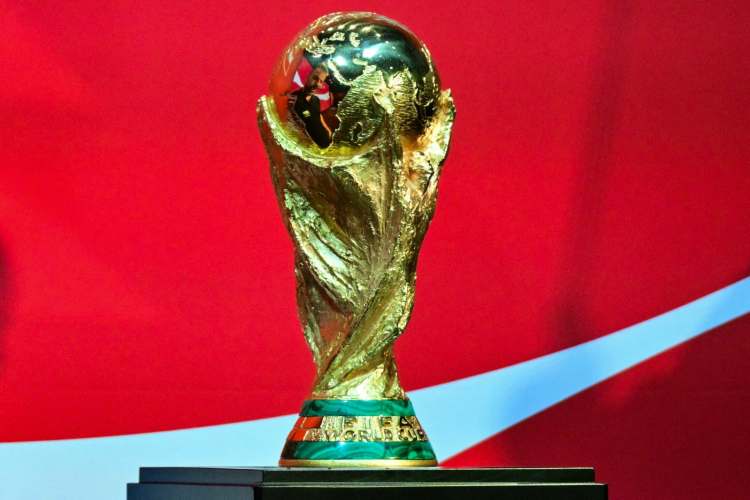
FIFA has announced a new rule that will prevent players from receiving tactical instructions from coaches during stoppages when a goalkeeper is receiving medical treatment at the 2026 World Cup.
The decision, disclosed by Pierluigi Collina, FIFA referees’ is aimed at stopping teams from exploiting what has been dubbed “goalkeeper tactical timeouts” — situations where matches are paused due to goalkeeper injuries, allowing coaches to regroup their players and pass tactical instructions.
Collina said referees had already been instructed to enforce the rule across all 48 participating teams at the tournament.
“We had a workshop with all the coaches of all the 48 teams, and we told them that referees will be proactive. They will not allow the two teams to go to the benches when a goalkeeper is lying on the ground injured,” he said.
He added that while goalkeepers are entitled to medical attention, outfield players would no longer be permitted to leave the field of play during such stoppages.
“The goalkeeper has the right to be injured, but the players do not have the right to leave the field of play to have a sort of timeout with their respective coaches,” Collina stated.
The move comes amid growing criticism from managers who believe some teams deliberately use goalkeeper injury breaks to disrupt opponents’ momentum and reorganise tactically.
However, FIFA acknowledged that referees will still face challenges in managing such situations, especially as players will not automatically be punished for moving toward technical areas during stoppages.
Collina also questioned the current match setup during such incidents, saying it was unusual for only the referee, physio, and goalkeeper to remain on the pitch while other players gather off-field.
“It’s quite weird that there really is only the referee, the physio and the goalkeeper on the field of play. All the other players leave the pitch, and it is not good,” he said.
The new rule will operate alongside existing measures such as three-minute hydration breaks in each half, which already provide structured opportunities for coaches to speak with players.
Meanwhile, FIFA also confirmed that VAR protocols have been updated to allow reviews of certain attacking fouls committed before the ball is in play, marking another major officiating change ahead of the tournament.