* Says attacks on schools, worshippers, security personnel threaten human dignity
Michael Olugbode in Abuja
The National Human Rights Commission (NHRC) on Tuesday painted a grim picture of Nigeria’s human rights situation, revealing that 268,787 complaints were recorded across the country in May 2026 amid escalating killings, kidnappings, attacks on schools and places of worship, and growing insecurity.
Presenting the commission’s May Human Rights Situation Dashboard in Abuja, the Executive Secretary of the NHRC, Dr. Tony Ojukwu, described the month as one of the most devastating periods for human rights in recent times, warning that the country was witnessing a humanitarian crisis requiring urgent national attention.
According to the dashboard, no fewer than 390 persons were killed, while 202 others were kidnapped during the month under review, with children, worshippers, security personnel and rural communities among the worst affected.
Ojukwu said the scale of violations recorded within just 31 days underscored the fragile state of human rights protection in the country.
“May 2026 has been a devastating month for human rights in Nigeria. Within the span of thirty-one days, we witnessed incidents that deeply challenged our collective commitment to human dignity and fundamental freedoms,” he said.
He noted that civilians were killed in different parts of the country, schoolchildren were abducted from classrooms, worshippers came under attack in places of prayer, while members of the armed forces and other security agencies lost their lives while carrying out their constitutional responsibilities.
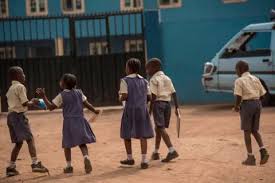
The commission expressed particular concern over the increasing attacks on educational institutions, citing the abduction of more than 45 pupils and teachers from schools in Oyo State, many of whom remain in captivity.
The NHRC also highlighted the abduction of more than 40 schoolchildren in Borno State, warning that the attacks were a painful reminder of Nigeria’s long-running struggle to protect schools and guarantee children’s right to education.
“What should have been a place of learning became a scene of fear and uncertainty,” Ojukwu lamented, adding that such incidents raise serious questions about compliance with constitutional guarantees, child protection laws and school safety policies.
The commission further condemned attacks on religious communities, recalling an incident in Kwara State where worshippers were attacked during prayers, resulting in deaths and the abduction of 15 persons.
According to Ojukwu, the growing trend of targeting religious worshippers represents a direct assault on freedom of thought, conscience and religion, and threatens the social fabric of affected communities.
The commission also drew attention to reports of civilian casualties resulting from military operations, including a military airstrike that reportedly struck a civilian market in Tumfa, Zurmi Local Government Area of Zamfara State.
While acknowledging efforts by the Nigerian Air Force (NAF) to investigate allegations of civilian harm, the NHRC renewed its call for the adoption of the National Policy for the Protection of Civilians in Conflict and urged a coordinated government-wide approach to civilian harm mitigation.
At the same time, the commission condemned attacks on military formations and the killing of security personnel, insisting that the nation’s armed forces require greater support and equipment to effectively confront the multiple security threats facing the country.
Ojukwu stressed that the incidents recorded during the month constituted violations of fundamental rights guaranteed under Nigeria’s constitution and international human rights instruments, including the rights to life, dignity, personal liberty, education and freedom of religion.
Despite the grim statistics, the NHRC commended ongoing military operations that have led to the neutralisation of terrorists and the rescue of abducted victims in Borno and other parts of the country.
The commission called on government institutions and security agencies to strengthen civilian protection measures, improve operational accountability, invest more in school safety and provide psychosocial support to victims and affected families.
Ojukwu also praised civil society organisations, humanitarian agencies, development partners and the media for their continued efforts in documenting violations and promoting accountability.
He urged all stakeholders not to lose sight of the principle that human rights are fundamental entitlements and not privileges, stressing that every Nigerian deserves to live in dignity, freedom and equality.
“Human rights are not a luxury or a privilege, but a basic entitlement for all people. It is our collective duty to ensure that every individual in Nigeria can live with dignity, freedom and equality,” he said.