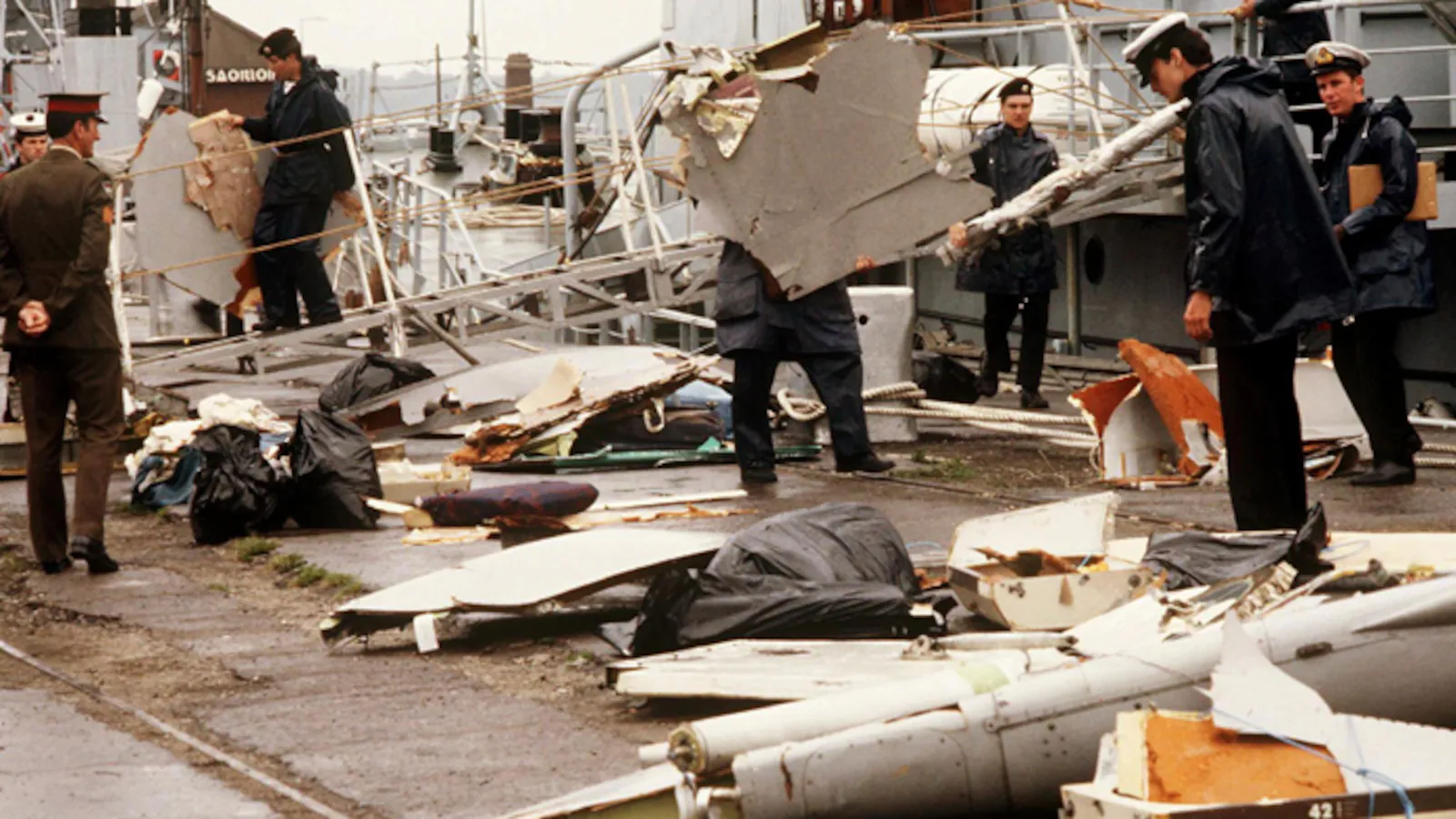
The Canadian Security Intelligence Service (CSIS) has for the first time acknowledged that Khalistani terrorists were involved in the bombing of Air India Flight 182 in 1985 that killed 329 people, most of whom were Canadians of Indian origin. However, only 131 bodies were recovered from the Atlantic Ocean.
India’s long-held position that the bombing was orchestrated by Khalistani extremists operating from Canada has been formally corroborated by Canadian authorities.
Calling the heinous attack the “deadliest terrorist attack” in the country’s history, the agency said that it acted as a “defining moment” for the national security community.
In a post on Facebook, the agency wrote, “On June 23, 1985, a bomb planted by Canada-based Khalistani extremists destroyed the aircraft, killing everyone on board, most of them Canadians. It remains the deadliest terrorist attack in Canada’s history and a defining moment for our national security community.”
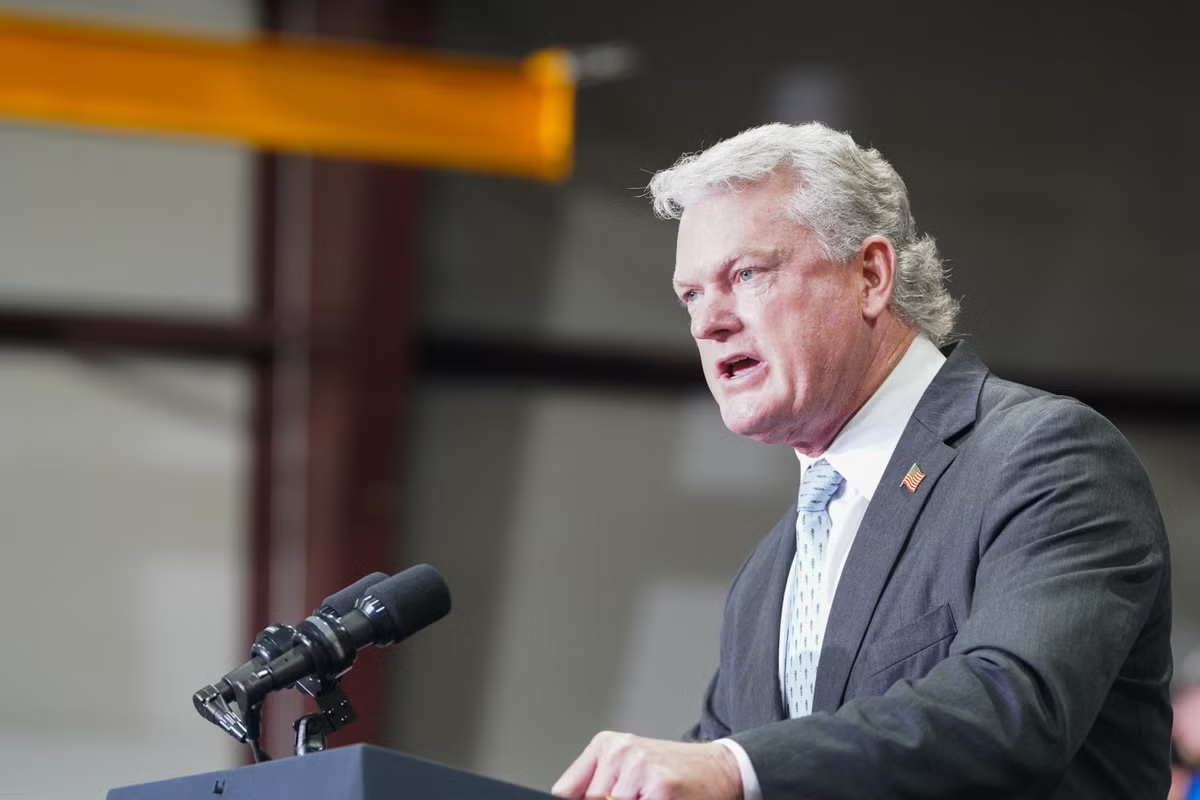
Canadian Prime Minister Mark Carney reiterated on Tuesday that the bombing remains the “deadliest attack in our country’s history” and that the country stands against all terrorism.
In 2005, the Canadian government officially designated June 23 as the National Day of Remembrance for Victims of Terrorism.
The aircraft, a Boeing 747, which was also known as Emperor Kanishka, was on the way from Toronto to Mumbai when the explosion took place.
A bomb was placed in the aircraft’s luggage compartment by a member of the banned Khalistani group Babbar Khalsa, who did not board the flight. The explosive blew up mid-air 45 minutes before the aircraft was supposed to land at Heathrow Airport.
Why The Admission Matters To India
At the time, the bombing was looked at as a retaliation to ‘Operation Bluestar’, which was a major military operation ordered by former Prime Minister Indira Gandhi. Its objective was to remove armed Sikh separatist leader Jarnail Singh Bhindranwale and his followers from the Golden Temple complex in Amritsar.
But a public inquiry in 2010 led by former Supreme Court Justice John Major found a “cascading series of errors” by agencies that day that botched the investigation.
Moreover, the incident was seen as an “Indian issue”, which downscaled the urgency of the response.
Prime Minister Stephen Harper formally apologised to the families of the victims of the 1985 Air India Flight 182 bombing on June 23, 2010. He acknowledged the state’s failures, citing both the institutional lapses that led to the tragedy and the subsequent mistreatment and “administrative disdain” shown to grieving families by Canadian authorities.
Canada and India are rapidly rebuilding their bilateral relationship following a severe diplomatic fallout in 2023 when former Prime Minister Justin Trudeau alleged an Indian link to the killing of Khalistani terrorist Hardeep Singh Nijjar.
India has consistently urged Canada to cease providing safe haven to Khalistani extremists, citing the misuse of democratic freedoms to promote violence and target Indian interests.
This diplomatic reset was initiated after Mark Carney became the prime minister of Canada in March 2025.