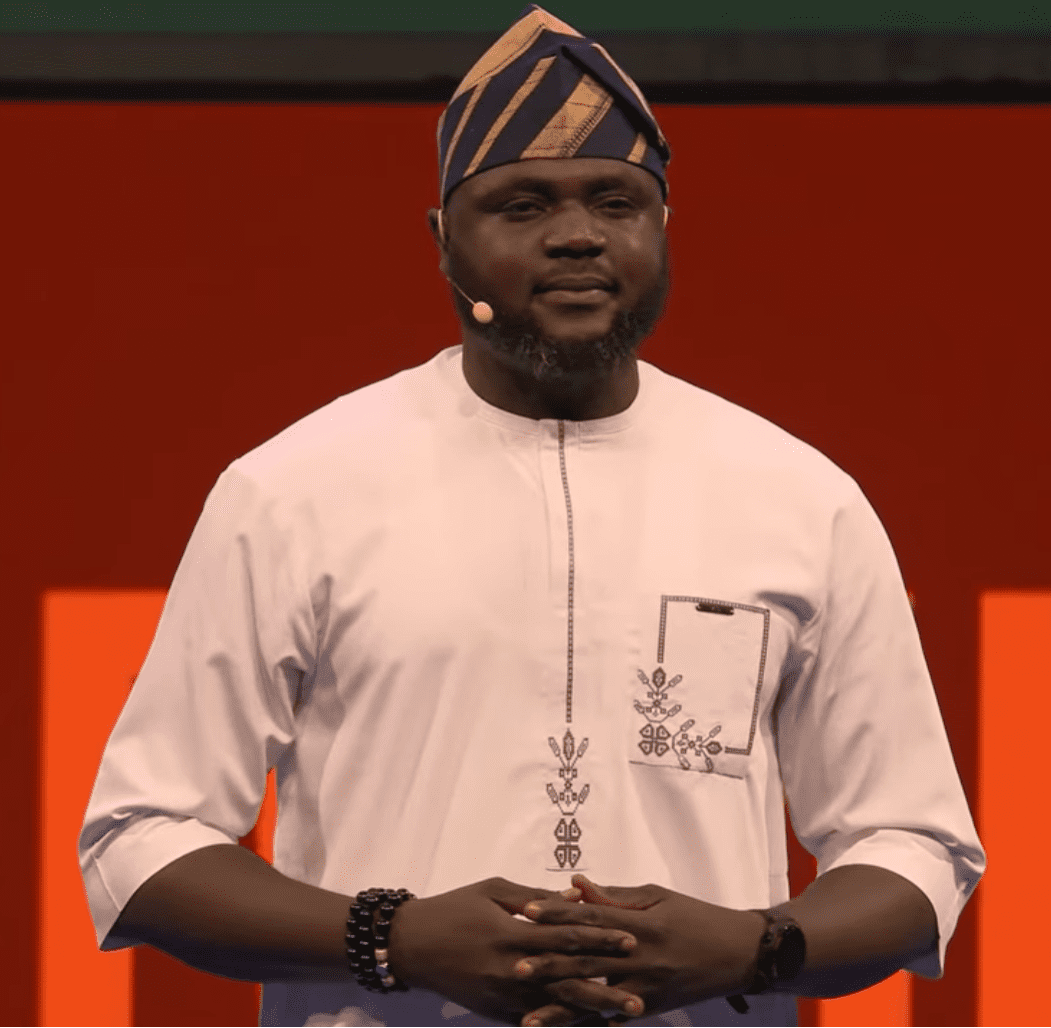
TruthNigeria’s Steven Kefas recounts attacks, displacement, and his own imprisonment as he urges global attention to Middle Belt violence.
OSLO, Norway — At the 2026 Oslo Freedom Forum, Nigerian journalist and human‑rights advocate Steven Kefas — a reporter with TruthNigeria — delivered a stark account of escalating violence and displacement across the country’s Middle Belt, warning that rural Christian communities face intensifying attacks that receive little national or international attention. His testimony, grounded in years of on‑the‑ground reporting, personal risk, and firsthand experience, added a Nigerian perspective to global conversations about persecution and religious freedom.
The annual Oslo Freedom Forum, which this year focused on the theme “Dismantling Dictatorship,” brought together activists, journalists, technologists, artists, and civil society leaders from around the world to discuss strategies for promoting accountability, protecting civil liberties, and challenging authoritarian practices.
Addressing attendees, Kefas described his childhood in a predominantly agricultural community where Christian and Muslim families lived side by side and where seasonal interactions between farmers and nomadic Fulani herders formed part of everyday life.
“My mother was the greatest influence on my three siblings and me,” Kefas told the audience. “The church was central to our lives. It was where community decisions were discussed, grief was shared, and hope was renewed.”
He recalled growing up alongside Muslim neighbors and friends, describing years during which farming communities and herders maintained working relationships despite occasional disputes over damaged crops and grazing routes.
Kefas said his concerns about insecurity intensified after a series of attacks on rural communities across parts of northern and central Nigeria. According to his account, villages, homes, and places of worship were attacked, while residents were forced to flee violence in affected areas.
At the time, Kefas was working in the banking sector. He told the forum that he became increasingly focused on documenting attacks and collecting information from communities that he believed were receiving limited national and international attention.
One incident he highlighted involved a social media post that questioned official accounts surrounding abducted victims. According to Kefas, government authorities later acknowledged that 177 people remained in captivity, a development he said contributed to increased attention on the case before the captives were eventually rescued.
As his reporting and advocacy gained prominence, Kefas said he faced growing pressure from authorities.
He recounted being arrested in May 2019 while in Port Harcourt, approximately 800 kilometers from his home region. According to his remarks, he was transported to another location, detained, and remained imprisoned for 162 days.
During his detention, Kefas said he witnessed deaths among inmates and experienced serious health challenges associated with prison conditions.
Despite those experiences, he said prison also exposed him to examples of cooperation among people from different ethnic and religious backgrounds living in close quarters.
“I met people from different ethnic and religious backgrounds who lived together peacefully despite their circumstances,” he said.
Kefas also described encounters with community members detained after organizing local security patrols in response to attacks in their villages.
A turning point came, he said, when nine women from an attacked community in Southern Kaduna visited him in prison. According to Kefas, the women traveled long distances to thank him for speaking publicly about their experiences.
Following his release, Kefas founded Middle Belt Times, a media platform focused on reporting developments in Nigeria’s Middle Belt. He told attendees that threats against him continued after his release and that security concerns eventually forced him to spend time outside Nigeria.
Kefas later joined the Observatory for Religious Freedom in Africa, where he contributes to efforts documenting incidents related to violence, displacement, and restrictions affecting religious communities across parts of Africa.
During his address, he cited research indicating that millions of people across Nigeria’s Middle Belt and other regions continue to face insecurity, displacement, and humanitarian challenges.
He also highlighted ongoing grassroots initiatives, including efforts to support community volunteers with basic equipment and plans to establish a primary healthcare center intended to serve multiple rural villages.
Kefas called for increased reporting from affected communities and greater international attention to developments in areas impacted by violence and displacement.
The 2026 Oslo Freedom Forum featured discussions on freedom of expression, accountability, political repression, technological innovation, and the role of civil society in challenging authoritarian systems. Organizers described the conference theme, “Dismantling Dictatorship,” as an exploration of how individuals and communities confront systems sustained by fear, misinformation, and weakened institutions.
Kefas concluded his remarks by emphasizing the importance of protecting human dignity and preserving peaceful coexistence among communities of different religious and ethnic backgrounds.
His presentation added a Nigerian perspective to broader conversations at the forum about documenting abuses, preserving civic space, and supporting communities affected by conflict and repression.
For many attendees, the speech provided a firsthand account of how local reporting, community advocacy, and citizen documentation have become central tools in bringing international attention to insecurity and humanitarian concerns in parts of Nigeria that often receive limited global coverage.
Watch Steven Kefas speak at the Oslo conference: