New Delhi:
When Bangladesh and China decided to sign an implementation plan in March 2025 regarding the exchange of hydrological information of the Yarlung Zangbo-Jamuna river system, the signing process was regarded as a purely technical decision aimed at creating a system for forecasting and preventing floods, disaster management and proper water resource management.
However, behind all this rhetoric of cooperation lies another serious issue, whether the increasing engagement of China in using its experience, technology and infrastructure in Bangladesh will result in making this country dependent on outside technologies in terms of river management.
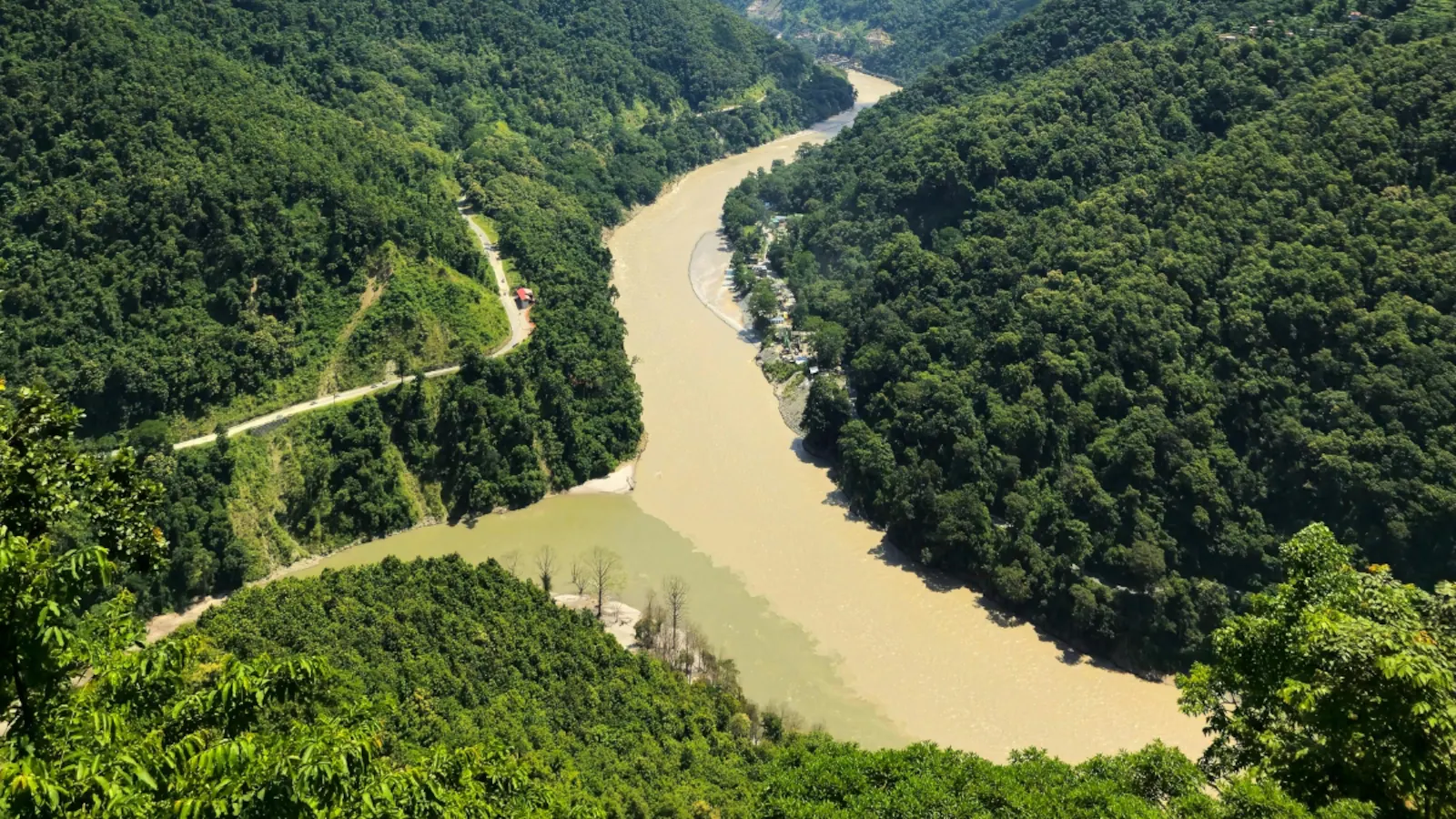
This issue becomes especially relevant in the context of China’s increasingly active participation in various water management projects in Bangladesh, such as the project for restoring the Teesta River system.
The Project On The Restoration Of The Teesta River System
According to the report released in January 2025, the Bangladesh Water Development Board and Chinese company POWERCHINA renewed their memorandum of understanding, according to which the company promised to develop a concept paper for this project by the end of 2025 and complete a feasibility study in 2026.
The project includes major river dredging, construction of embankments, construction of reservoirs, development of an irrigation system, prevention of erosion and the development of a hydrological monitoring system.
Although supporters of the project say that the program will allow solving problems of flooding, drought and riverbank erosion in northern Bangladesh, opponents insist that this initiative will mean placing the major part of Bangladesh’s river management infrastructure under the control of Chinese technologies.
50 Years Of Bangladesh’s Rivers
The Teesta project is just a part of a much broader collaboration between Dhaka and Beijing.
During Muhammad Yunus’s visit to China in March 2025, Bangladesh asked for help in the development of 50-year plan for management of its river systems.
Strategists say that such a plan will determine the decisions of Bangladesh concerning river management, flood control, irrigation and water allocation for decades ahead.
However, the problem here is that if the framework, hydrological models, monitoring technologies and management systems will be mostly developed by Chinese institutions, then the future of Bangladesh will become dependent on these institutions.
Lessons From Defense Procurement
Questions about dependency are not something new for the relationship between Bangladesh and China.
According to reports, during many years the officials of Bangladesh had concerns about providing the equipment bought from China as tanks, naval ships, aircraft and also about obtaining spare parts for these means of military equipment.
Strategists say that similar situation might arise in terms of civil infrastructure, if the critical systems will use proprietary technologies, specialized software and vendor-specific maintenance networks.
In terms of river management these systems might include monitoring sensors, flood forecasting platform, supervisory control system and data processing network that require constant assistance from the supplier company.
Lack Of Transparency
The project also received criticism for the lack of transparency.
Some people from Bangladesh claim that the details of the Teesta proposal, including its technical specifications and the framework of its implementation, have not been sufficiently disclosed to the public.
The critics say that lack of transparency complicates the evaluation of future dependency on technology.
Why India Cares
India is particularly interested in what is going on in the region of Teesta River.
The river originates in Sikkim and passes through West Bengal before entering Bangladesh. New Delhi has always been cautious about China’s activity in the Teesta Basin due to its close proximity to the area known as the “Chicken’s Neck” of India.
Security analysts from India believe that hydrological monitoring systems maintained by Chinese companies might give them access to valuable environmental and hydrologic data of the strategically important area.
The Main Question
The debate about the involvement of China in restoring Bangladesh’s rivers is rather concerned about the operational control than ownership.
The infrastructure built by foreign companies usually belongs to the owner-country. However, when maintenance, software updates, technical expertise and system integration depend on external companies, the question of control appears.
Thus, as Bangladesh implements its plans to restore the river infrastructure, experts say that the task for this country will be to find the right balance between constructing infrastructure and retaining technological independence, transparency and control.
For India, this situation creates additional problem, the fight for competitive influence in South Asia requires not only diplomatic efforts but also economic and technological alternatives.