The Apapa Area Command of the Nigeria Customs Service has intercepted expired pharmaceutical products valued at over ₦12.7bn and about 1.8 tonnes of cannabis in separate operations in Lagos.
The seizures, according to the command, were made through intelligence-led operations carried out in collaboration with the National Drug Law Enforcement Agency and other regulatory bodies.
In a statement issued on Friday by the Command’s Public Relations Officer, Isah Sulaiman, the Customs said the operations were driven by credible intelligence, enhanced surveillance, and improved risk profiling systems.
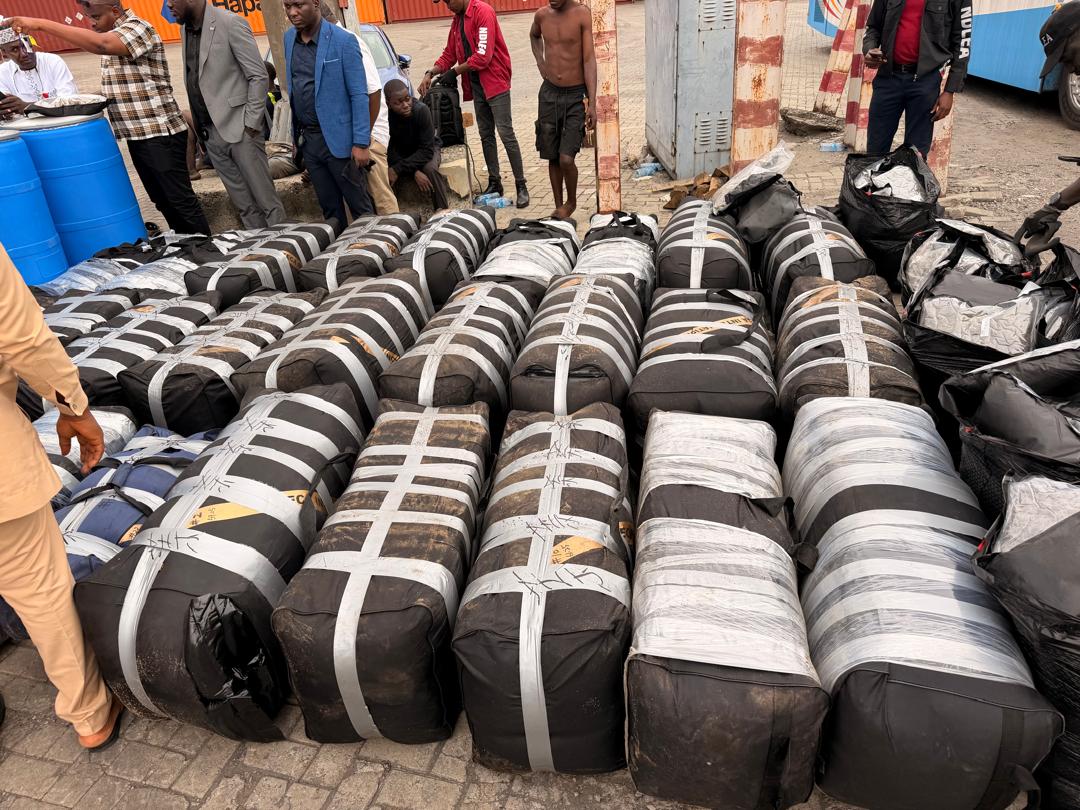
He explained that one of the major interceptions involved a 40-foot container laden with cannabis, popularly known as “Canadian Loud.”
According to the statement, a total of 3,639 sachets of the substance, each weighing 500 grammes, were recovered, bringing the total weight to approximately 1,819 kilogrammes.
“The illicit drugs were concealed in a black vehicle, a Toyota Sienna, as well as in bags and drums within the container,” the statement read, adding that preliminary tests confirmed the substance as cannabis.
In a separate operation, the command intercepted two 40-foot containers loaded with expired pharmaceutical products allegedly intended for illegal relabelling and circulation in the Nigerian market.
The Customs said the Duty Paid Value of the seized drugs was estimated at ₦12,784,479,341.72, describing the importation as a grave threat to public health and an act of economic sabotage.
The Customs Area Controller, Comptroller Emmanuel Oshoba, warned importers and their collaborators against engaging in smuggling, drug trafficking, and the importation of harmful goods.
He said, “Unpatriotic importers involved in these criminal activities are enemies of the nation’s progress. We have the intelligence, technology, and resolve to identify and apprehend offenders.
“Those still involved in such acts should desist immediately, as the consequences will be swift and decisive.”
Oshoba added that Apapa Port and other Customs formations remain under constant surveillance, stressing that enforcement operations would continue to be intelligence-driven while facilitating legitimate trade.
FOLLOW US
FOR MORE HERE