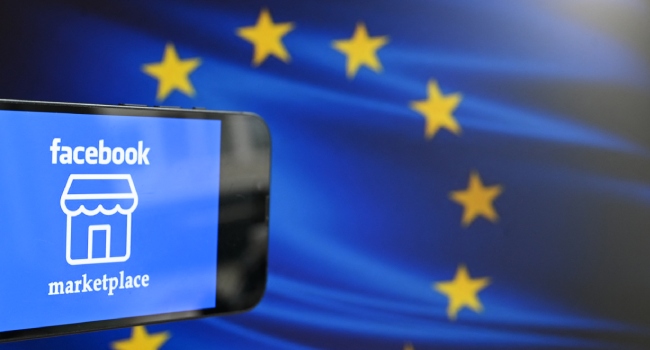
In its challenge, Meta argued that Messenger and Marketplace were an extension of Facebook, and should not face stringent obligations of their own.
READ ALSO: Meta Launches Paid Subscriptions For Instagram, Facebook, Whatsapp
“By its judgment today, the General Court of the European Union annuls the decision designating Meta as a gatekeeper as regards Marketplace, while maintaining Meta’s designation for its interpersonal communications service Messenger,” the court said in a statement.
In practice, the European Commission had agreed in April last year to lift the designation of Marketplace, but Meta nonetheless welcomed the court decision — seen as a test of the EU’s powers to regulate the sector.
The Marketplace ruling “confirms that it should not have been designated in the first place”, a Meta spokesperson said.
“We are reviewing the court’s finding on Messenger and will consider our options,” they said.
‘Erred In Law’
The DMA comes with a list of do’s and don’ts for the world’s biggest digital platforms in an attempt to keep them in check and create an open online space.
Concerning the imposition of tougher rules on Marketplace, the court found the European Commission had “erred in law” on several counts.
It faulted the EU executive for failing to take into account changes made to the platform in mid-2023, and more broadly said its case “lacks sufficient reasoning”.
Regarding Messenger, however, the court agreed with the commission that it was “distinct from the Facebook social network”, noting that it was “offered by means of standalone applications” and that “Meta promotes tools that are specific to that service”.
The EU court in 2024 ruled against a similar bid by TikTok to challenge its DMA designation, a decision the company has appealed.
Alongside Meta and TikTok’s owner ByteDance, the other “gatekeepers” are Google parent Alphabet, Amazon, Apple, Booking and Microsoft.
The EU last year imposed its first fines for breaking the DMA rule, hitting Meta and Apple with penalties of 200 million euros ($232 million) and 500 million euros respectively.
The fines have given rise to accusations by Washington that the EU is deliberately targeting American companies, which Brussels denies.
AFP