In an exclusive interview with CNBC-TV18, Sachs said the current situation in West Asia remains unstable despite expectations in financial markets that a deal could eventually emerge.
“This is not a stable stalemate. This is a situation of worsening energy shortages,” Sachs said.
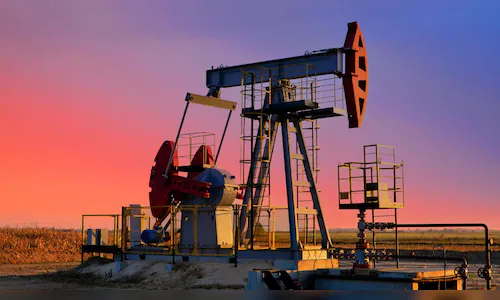
According to Sachs, oil prices have not surged more sharply in recent weeks largely because markets continue to anticipate some form of agreement between the parties involved in the conflict.
However, he warned that investor confidence could quickly deteriorate if negotiations fail or if military confrontation intensifies again.
“If it becomes clear that there is no imminent deal, and still worse, if there is a reversion to outright heavy hostilities, the price of energy will soar, the global supply shock will worsen, and the whole world will suffer,” Sachs said.
The economist said ordinary consumers across countries are already feeling the impact of higher fuel prices, with political consequences beginning to emerge in the United States as well.
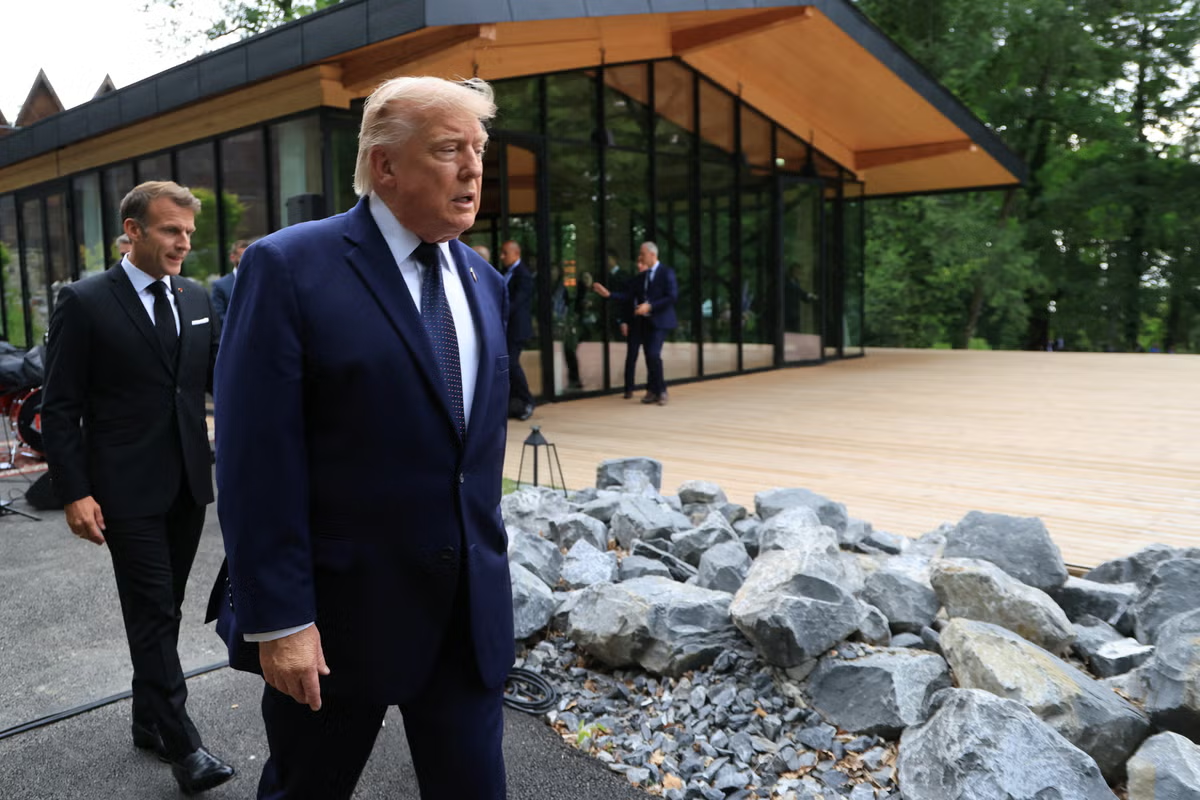
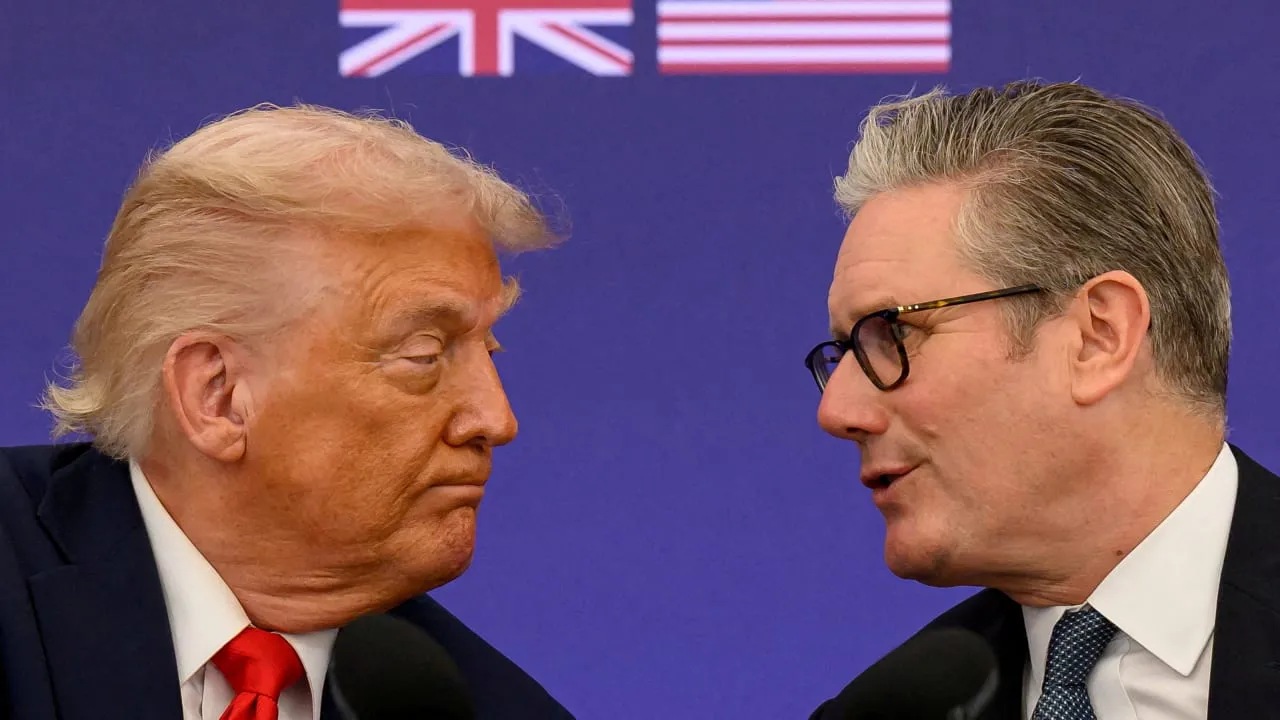
He pointed to weakening public support for President Donald Trump amid growing frustration over inflationary pressures linked to energy costs.
“Americans don’t want this war. They don’t like this war. They’re sick of the same petrol price increases that Indians are facing,” Sachs said.
Sachs also referred to comments from global energy leaders warning about the scale of the current disruption. He said the conflict had created uncertainty around shipping routes, energy infrastructure and future supply availability across the region.
The Strait of Hormuz remains central to market concerns given its importance for global crude flows. Sachs suggested that the focus should shift towards restoring stability in energy transportation routes rather than pursuing maximalist political objectives.
He argued that prolonged confrontation would only deepen economic pain globally, particularly for energy-importing countries.
“Imagine how much pain is being inflicted by this absolutely reckless action,” Sachs said.
Also Read | Exclusive: Trump needs India more than India needs US, says Jeffrey Sachs on trade talks
Sachs added that additional military escalation could damage critical infrastructure across West Asia, including pipelines, ports, desalination facilities and oil and gas fields, creating long-term consequences for the global economy.
“There is no military option that anybody has identified in public as having even the remotest chance of success,” he said.
He maintained that the world economy remains vulnerable to further supply shocks and said governments would have to prepare for renewed volatility if diplomatic efforts fail to contain the crisis.
Also Read | Exclusive: Jeffrey Sachs says US should go home from West Asia, says military option against Iran has failed