3 min readJun 17, 2026 03:34 PM IST
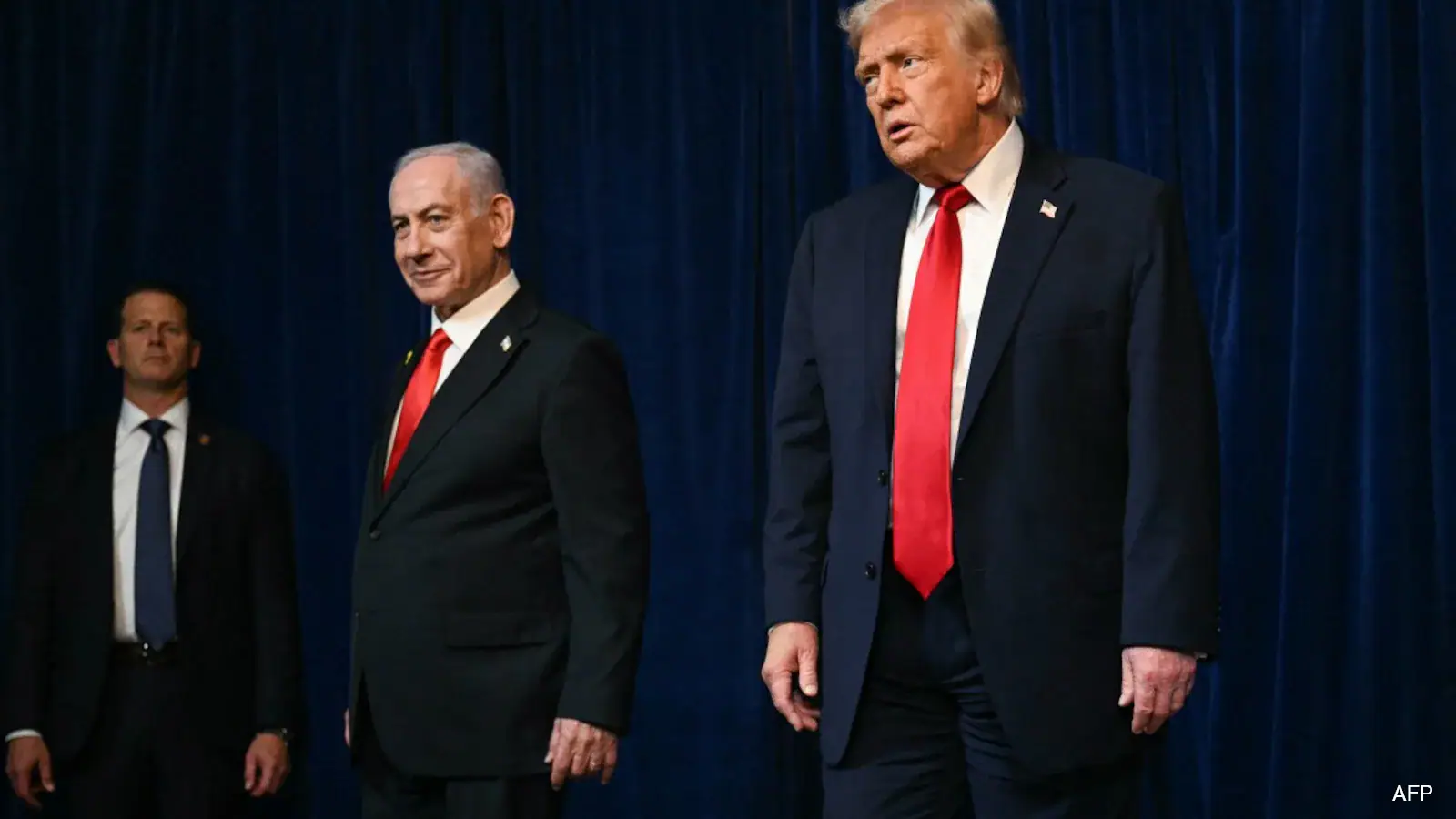
US President Donald Trump, on Sunday (Jun 14), announced the completion of a deal with Iran, ordering the immediate lifting of the US naval blockade.
He officially opened the Strait of Hormuz to toll-free maritime traffic, declaring that global shipping can resume and oil can flow freely once again.
“The Deal with the Islamic Republic of Iran is now complete. Congratulations to all! I hereby fully authorise the toll-free opening of the Strait of Hormuz, and, simultaneously herewith, authorise the immediate removal of the United States Naval blockade. Ships of the World, start your engines. Let the oil flow,” Trump said in a post on his Truth Social handle.
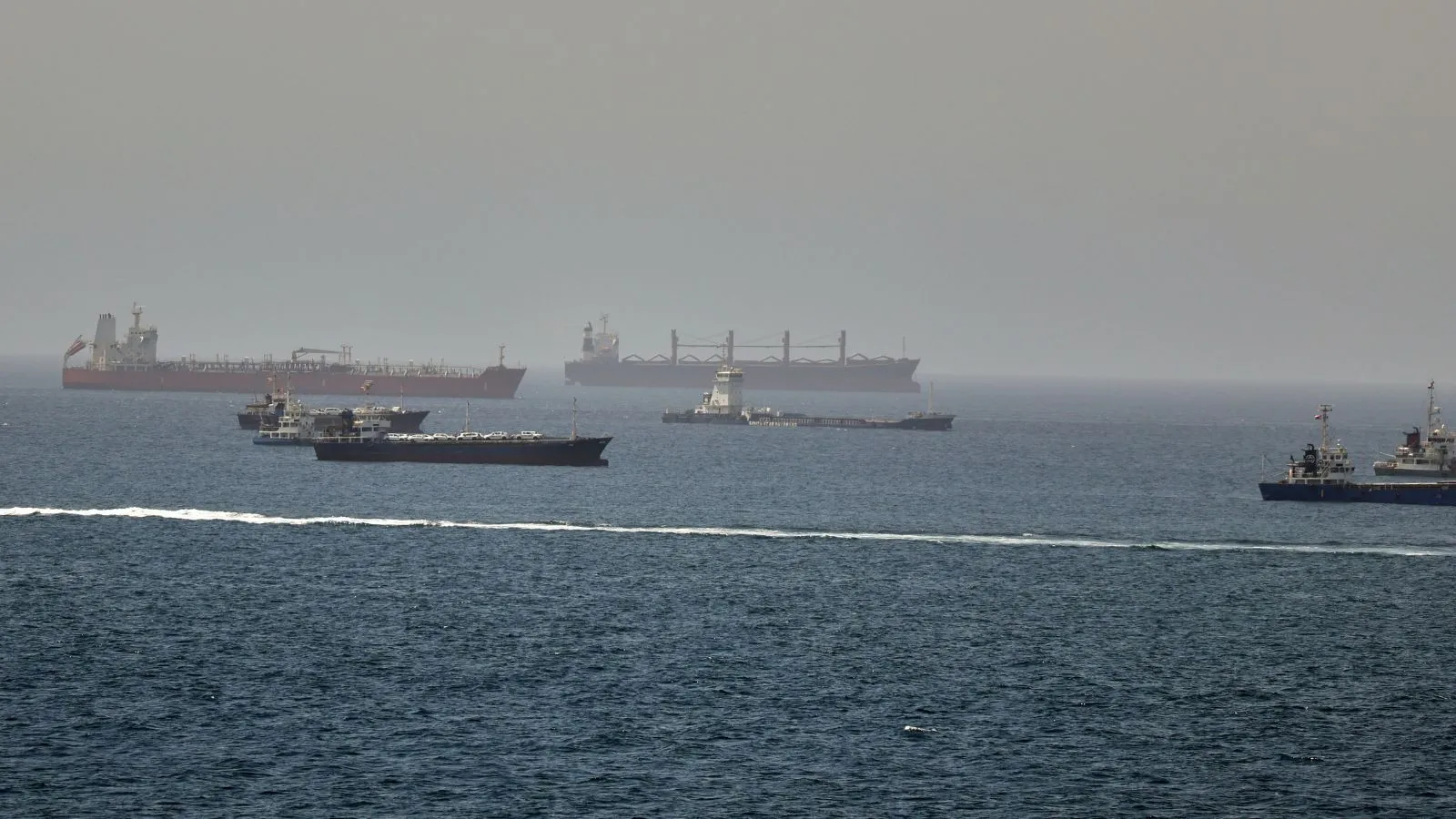
Despite his announcement, only seven vessels have crossed the critical waterway, while 580 ships remain stranded or are waiting in the Gulf, according to the BBC.
More than 250 tankers and over 330 cargo ships are currently stuck inside the Gulf, with roughly 75 per cent of these tankers stationary and clustered around major oil export terminals in Saudi Arabia, Iraq, and the UAE.
Experts say that the ships are experiencing several crucial hurdles preventing traffic in the region from returning to normalcy.
These include security and safety, mines and tolls.
1. Safety
Story continues below this ad
During the war with the United States, Iran started effectively blocking the Strait of Hormuz and fired on the ships attempting to cross the crucial waterway without its permission.
Following this, in April, Washington imposed its own naval blockade of Iranian ports and disabled nine “non-compliant vessels” using missiles.
Trump had announced the immediate lifting of the US naval blockade on Sunday, but later clarified that the blockade would stay in place until the deal with Iran is officially signed.
2. Threat of Sea Mines
Iran had threatened early in the conflict that if its coastline was attacked, it would place “various types of sea mines, including floating mines that can be released from the coast” in the Gulf, according to Iran’s semi-official Fars news agency.
Story continues below this ad
Since then, both the Joint Maritime Information Center and Oman’s Maritime Security Centre issued warnings about floating objects suspected to be mines in the region.
US Secretary of State Marco Rubio also alerted a Senate committee that Iran had “mined large segments of Hormuz”.
The experts, according to the BBC, suggest that the most essential first step for maritime traffic to return to pre-war levels would be the removal of these mines, which they said could take anywhere from 30 days to six months.
3. Tolls
Story continues below this ad
The Strait of Hormuz has long been open to international shipping under customary international law, without any fees.
However, during the war, Iran had attempted to assert its authority over the strait by establishing the “Persian Gulf Strait Authority”, which it said would issue “safe passage permits”.
Stay updated with the latest – Click here to follow us on Instagram