4 min readUpdated: Jun 10, 2026 01:07 PM IST
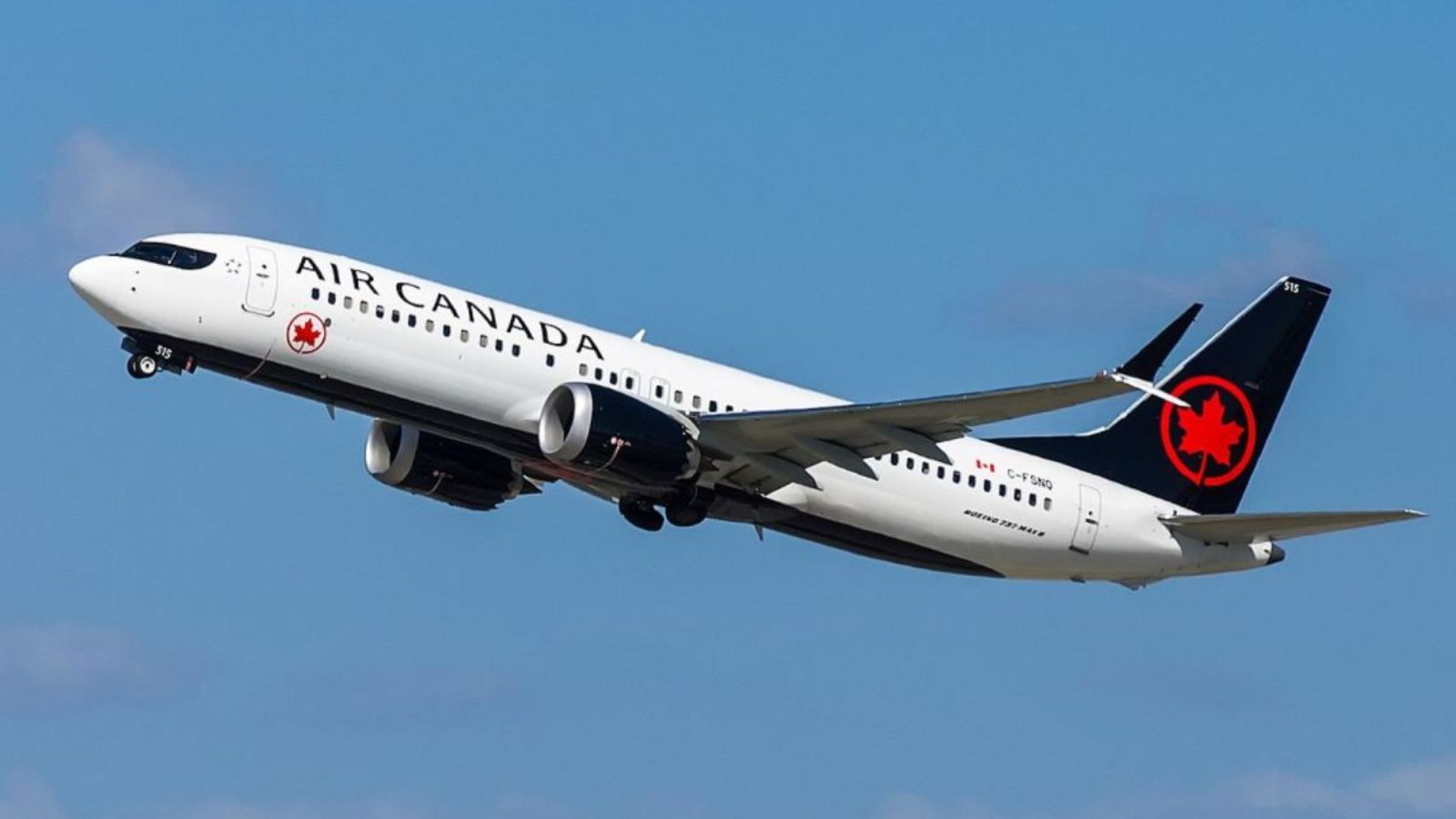
A former Air Canada pilot has been charged in Canada after allegedly operating hundreds of commercial flights over nearly 17 years without holding the licence required to captain large passenger aircraft.
Peel Regional Police in Ontario said on Tuesday that 59-year-old Geoffrey Wall of Barrie, Ontario, faces multiple charges, including fraud, following a four-month investigation. Authorities allege that Wall flew more than 900 domestic and international flights between 2009 and 2025 while serving as an airline captain without an airline transport pilot licence (ATPL), the highest level of pilot certification required for captains of commercial aircraft.
Geoffrey Wall was arrested on June 1, following a complex fraud investigation dubbed ‘Project Icarus,’ Deputy Chief Nick Milinovich announced at a news conference Tuesday, reported CBC.
According to investigators, Wall held a valid commercial pilot licence but did not possess the ATPL required for his role. Police allege that he misrepresented his credentials to both Air Canada and Canadian aviation authorities over a number of years.
How the case came to light
The investigation began after anomalies were identified during a documentation review. Transport Canada, the country’s aviation regulator, later contacted police, leading to the criminal probe.
Police also allege that Wall filed a false report claiming that pilot documentation had been stolen. Authorities said they obtained evidence suggesting that he had deceived both the airline and aviation regulators regarding his qualifications before retiring in 2025.
Charges filed
Wall has been charged with one count of fraud, two counts of uttering forged documents, three counts of possessing a counterfeit trademark and one count of public mischief. Allegedly using forged documents, he commanded Air Canada’s biggest Boeing jets – the 767, 777 and 787 – and earned a total of $2.9-million to do so, Peel Police Deputy Chief Nick Milinovich told reporters.
The allegations have not been tested in court.
Story continues below this ad
About the pilot
According to the Globe and Mail, the college’s website said Wall had served 11 years in the Royal Canadian Air Force, flying helicopters in Saskatchewan and Nova Scotia. He flew forest fire support in Western Canada before joining Air Canada, according to the college.
The Department of National Defence confirmed in a statement that someone by Wall’s name joined the Canadian Armed Forces in 1987, was a pilot and was posted to a helicopter squadron before becoming a reservist in 1998 and being released from the Forces in 2004.
Air Canada’s response
Air Canada said Wall was removed from active duty immediately after the issue was discovered and that the airline voluntarily reported the matter to Transport Canada. The carrier added that Wall is no longer employed by the company and has reportedly been fined by the regulator for not possessing the required licence.
The airline maintained that passenger safety was not compromised, noting that all pilots undergo mandatory recurrent training every six months and annual flight checks conducted by certified Transport Canada check pilots. Air Canada said Wall had consistently met or exceeded the airline’s training and competency requirements throughout his employment.
Story continues below this ad
In a statement, the airline said it takes the matter “with utmost seriousness” and confirmed that an audit of its pilot workforce found no other instances of licensing non-compliance.
Questions over regulatory oversight
Aviation safety experts say the case raises broader concerns about licensing verification and oversight mechanisms.
Hassan Shahidi, president and chief executive of the US-based Flight Safety Foundation, described the case as “exceptionally rare”. He said that if the allegations are proven, the primary concern would not be that an untrained individual was operating aircraft, but that a key regulatory safeguard appears to have been bypassed for an extended period.
“The larger concern is the apparent failure of a regulatory safeguard that is supposed to ensure trust in the system,” Shahidi said, adding that the allegations may point to weaknesses in licence verification and oversight processes.
Story continues below this ad
While Shahidi noted that the case does not necessarily suggest passengers faced the same level of risk associated with an untrained pilot, he said it highlights the importance of robust systems for verifying professional credentials in the aviation industry.
Stay updated with the latest – Click here to follow us on Instagram