Cultural festivals in Nigeria, as we know, are vibrant events that celebrate the traditions and values of specific communities or cultures, often featuring music, dance, food, and art, drawing visitors from around the globe. However, in some festivals these days, they have become linked to violent injuries (both physical and psychological), fears, and concerns among residents and visitors.
While some cultural festivals still practiced today deserve respect and preservation because they bring different communities together and give indigenous groups a sense of identity and belonging. There are still some violent acts and harmful practices that are being carried out during some festivals. Those practices should be abolished and completely scrapped.
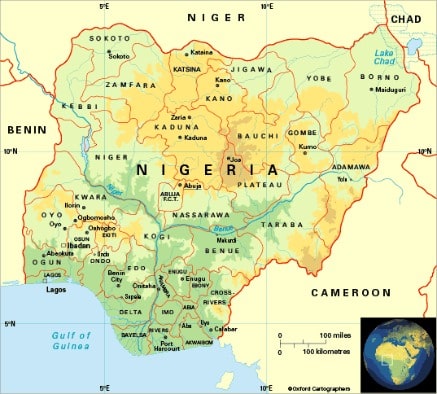
In some communities in Nigeria, violent clashes during cultural festivals are now seen as a normal act due to the way it is now practiced. For example, the Ozoro Alue-Do fertility festival in Delta State is historically meant to serve as a fertility rite, a festival of thanksgiving whose purpose is to bring blessings of children to married couples struggling to produce children themselves. Similarly, most iconic events like the Eyo Festival in Lagos State and Egungun Festival in Ogun, Oyo and Osun States, have also faced violent clashes where rival youth gangs have assaulted and hijacked residents’ processions.
This destruction has also spread to the far east and the southwestern part of the country as well. We have the Oriokpa Masquerade Festival celebrated in Enugu State, which represents Spirits or ancestral forces in the Igbo tradition and also tests bravery and discipline among youths. However, in recent times, some members of the community began to use this peaceful event as a way to commit assault and thuggery, which led local chiefs to ban the festival indefinitely
At the same time, it can also be seen that during the New Yam Harvest festival and the Oro Festival, rogue groups and cultists have violently taken over these peaceful events. Thereby attacking locals, women and journalists, while using the excuse that they are” enforcing traditional rules” to justify their violent acts.
It can also be seen that in broader communities events such as the Ekuechi Festival in Kogi State and some regional street carnivals are mostly facings immersive challenges. These festivals and street carnivals are now slowly descending into bloody gang warfare, looting and extortion of residents leading to public disruptions and targeted violence against attendees.
Despite each cultural significance and reversal in traditional festivals, most of these practices have increasingly generated several negative effects within the community.
What is meant to be a celebration of heritage has, in most cases, transformed into a major fear for residents and visitors alike.
One of the most overwhelming effects is fear and insecurity among residents. It is noted that cultural festivals also celebrate out heritage, but because of this negative impact being feared and insecurity, most people are forced to stay away from participating in cultural events. Forcing residents to stay indoors to avoid anything that may bring violence.
Another deeply troubling effect is the loss of lives and property. In some cases, what mainly begins as a peaceful celebration can lead to violent confrontation like gang war, etc, resulting in loss of lives and properties. This affects not only the families of the affected ones, but gives the community a bad image,that they failed to maintain the peace.
Speaking of physical effects, there is also the psychological effect, being trauma. Trauma being fear, anxiety and emotional distress can be seen as a mental illness from witnessing or experiencing a violent scene or tragic scene at first hand. These incidents, in some cases, have proven to be the reason why some people have a lasting fear of crowds or public gatherings.
Furthermore, it is noted that all these effects contribute to a negative perception of the community in relation to tourism. We all know that one of the benefits of cultural festivals is how they draw visitors. However, in a community where events end in violent clashes, it tends to discourage visitors and cultural enthusiasts from attending. This effectively turns what is supposed to be a vibrant cultural celebration into an agent of insecurity and unrest.
While these negative effects of cultural festivals are serious, it does not mean that the festivals themselves should be abolished. No. In a situation where a festival becomes dangerous, it stops being a place of joy and fun, but it becomes a place of insecurity and unrest. That’s why most people don’t know that these insecurities don’t just hurt people and reduce the chances of letting the younger generation practice them. That’s why if we do not address these violent acts now, we are at risk of losing our most important cultural identities.
However, we must not let these negative tendencies destroy our culture entirely. As we know, despite the problems, Nigeria’s diversity can be well seen in its cultural festivals. Most of the festivals display diverse traditional music, traditional foods, and unique masquerades. That’s why when these events are celebrated properly, they act as tools of hope and unity, bringing different diverse individuals together.
Addressing these problems requires more than just words; it demands action. The government must work hand-in-hand with others to reduce fear and insecurity by banning violent acts. It is crucial to manage such events and ensure they are not exploited or hyped by troublemakers through the excessive imposition of additional rules.
In conclusion, while cultural festivals in Nigeria provide a valuable sense of identity and belonging to indigenous groups, the violence sometimes associated with them must stop. Words alone are not enough; the government and community leaders must work together to ban violent acts and ensure that these celebrations are not exploited by troublemakers. By taking firm, proactive action, we can ensure these events remain safe for everyone.
. Edward is a 200 level student of Journalism and Media Studies at Delta State University, Abraka.