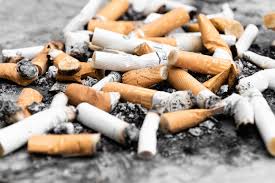
(Tobacco. Photo Credit: World Economic Forum)
Health advocates and civil society groups from across Africa, Asia, and Latin America have launched a week-long global campaign calling on governments to make tobacco companies pay for the damage their products cause to public health, the economy, and the environment.
The campaign, titled “Make Big Tobacco Pay,” runs through June 5 and coincides with World Environment Day.
At the heart of the campaign is a push for governments to enforce Article 19 of the World Health Organisation’s tobacco control treaty, which deals with holding tobacco firms legally and financially responsible for the harms they cause.
Campaigners argue that while tobacco companies rake in massive profits, it is governments and ordinary taxpayers who end up footing the bill for healthcare costs, environmental damage, and economic losses tied to tobacco use.
Advocates likened the situation to environmental pollution, arguing that just as companies are made to pay for environmental damage under the “polluter pays” principle, the same logic should apply to the tobacco industry.
A Nigerian representative highlighted that the federal government took major tobacco companies to court as far back as 2007 over allegations that they hid the health risks of their products a case that has yet to go to trial.
He also pointed to a 2024 regulatory sanction against British American Tobacco in Nigeria as a step in the right direction.
From Mexico, advocates raised alarms about tobacco firms increasingly turning to newer nicotine products to sustain revenue, with one representative noting that such products are expected to account for a significant share of global tobacco industry income.
Legal complaints are being filed against companies marketing these products without adequate consumer information.
In the United States, a public health attorney described tobacco product waste as a deliberate business strategy that privatises profits while pushing the costs of pollution and health damage onto communities.
Representatives from Ghana flagged the disproportionate impact on poorer nations, where around 8 million tobacco-related deaths occur annually, while advocates in the Philippines accused tobacco companies of using celebrities and social media influencers to target young people online, despite advertising restrictions with one regulatory complaint already resulting in a company being ordered to pull a celebrity-endorsed advertisement.