3 min readUpdated: Jun 2, 2026 01:57 PM IST
Google has sought permission from US government to release up to 32 million sterilised mosquitoes across California and Florida as part of efforts to curb the spread of mosquito-borne diseases such as dengue, Zika, chikungunya and West Nile virus.
According to a notice published in the Federal Register, the US Environmental Protection Agency (EPA) is reviewing a request from Google’s mosquito-control initiative, ‘Debug’, to release up to 16 million mosquitoes annually over a two-year period. A final decision is expected after a public consultation period that runs until June 5.
The project relies on a scientific technique that uses male mosquitoes infected with a naturally occurring bacterium called Wolbachia. Because male mosquitoes do not bite humans or transmit diseases, they are released into the wild to mate with female mosquitoes. The bacterial infection prevents viable offspring from being produced, causing mosquito populations to decline over successive generations.
What is Google’s ‘Debug’ programme?
Debug, which was developed under Google’s parent firm Alphabet’s life sciences and technology ventures, focuses on the Aedes aegypti mosquito, which is species responsible for transmitting dengue, yellow fever, Zika and chikungunya. The programme combines biotechnology with advanced automation, data analytics and artificial intelligence to rear, sort and release millions of male mosquitoes effectively.
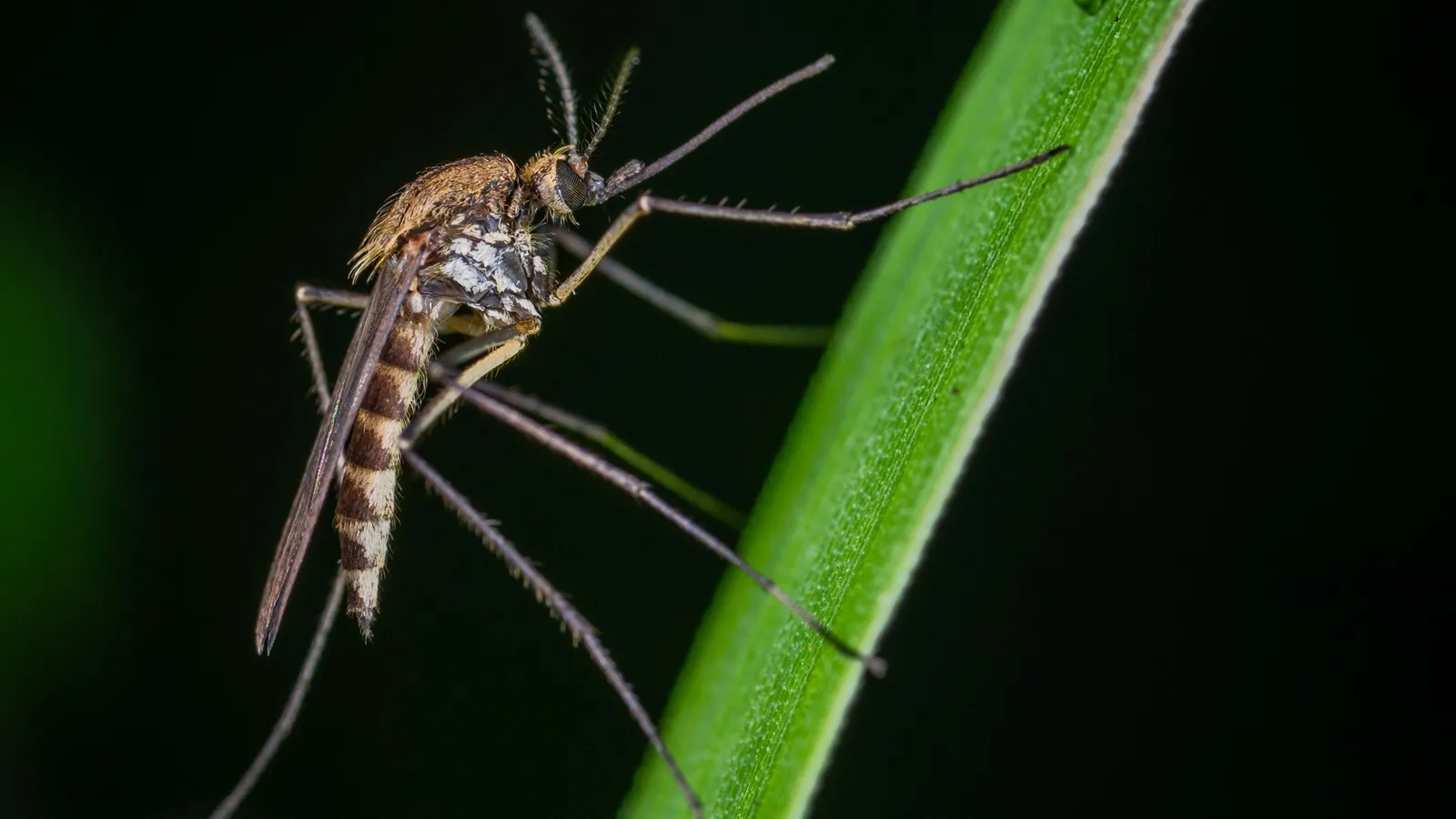
 The US Environmental Protection Agency (EPA) is reviewing a request from Google’s mosquito-control initiative, ‘Debug’, to release up to 16 million mosquitoes annually over a two-year period. (Source: Pixabay)
Google says traditional mosquito control measures, such as pesticide spraying have limitations, including environmental concerns and declining effectiveness. The company believes its technology driven approach offers a more targeted and sustainable alternative.
The initiative has already shown promising results in Singapore, where millions of Wolbachia infected male mosquitoes have been released in collaboration with local authorities. According to Singapore’s National Environment Agency, the programme achieved an 80-90% reduction in Aedes aegypti populations and helped cut dengue cases by more than 70% in areas where releases were conducted for six to 12 months.
The head of Debug Linus Upson stated that, “When we first launched Debug in Singapore, our goal was to advance mosquito production and releases through technology and bring Debug to more communities in Asia, where 70% of the global dengue burden occurs…Our success in Singapore gives us the confidence to expand.”