Jonathan Eze
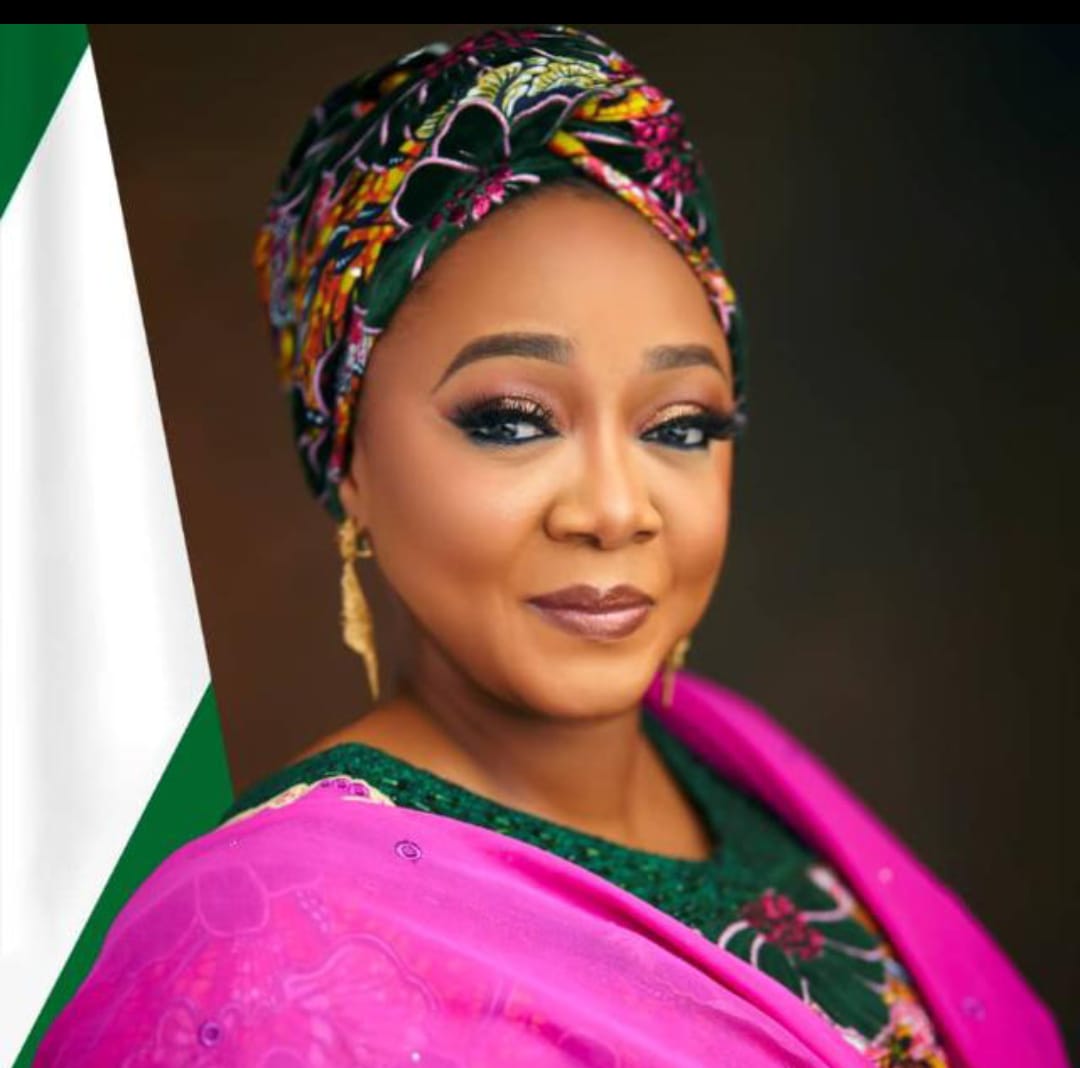
The Minister of Women Affairs and Social Development, Imaan Sulaiman-Ibrahim, has called for stronger legal protection, economic empowerment and social inclusion for widows across Nigeria, declaring that widowhood should never translate into poverty, discrimination or vulnerability.
In a statement marking the 2026 International Widows’ Day on Tuesday, the minister said the Federal Government remains committed to building a society where widows can live with dignity, hope and economic independence.
Commemorated globally under the theme, “Justice, Dignity and Economic Power for Widows,” the minister described widows as indispensable pillars of families and communities whose resilience continues to sustain generations despite immense personal loss and socio-economic challenges.
According to her, the annual observance serves as a reminder that widows are not peripheral members of society but central actors in national development whose contributions deserve structured support and recognition.
Sulaiman-Ibrahim noted that Nigeria is home to over two million widows, many of whom bear the dual responsibilities of caregiving and breadwinning under difficult circumstances.
She lamented that for many women, the loss of a spouse is often followed by the loss of inheritance rights, economic security, shelter and social protection.
The minister also condemned harmful widowhood practices still prevalent in some communities, including disinheritance, property grabbing, degrading mourning rites, forced confinement, accusations linked to the death of spouses and forced remarriage.
She described such practices as violations of human dignity and fundamental rights, stressing that they have no place in a modern society.
“Let me be unequivocal: such practices are criminal,” she said, citing provisions of the Violence Against Persons (Prohibition) Act, 2015, which criminalises harmful widowhood practices and prescribes penalties for offenders.
Sulaiman-Ibrahim reaffirmed the commitment of the administration of President Bola Ahmed Tinubu to protecting vulnerable citizens through the Renewed Hope Agenda, which prioritises women, families and social protection as key drivers of national development.
She highlighted several interventions implemented by the Ministry to improve the welfare of widows, including healthcare access, livelihood support and economic empowerment programmes.
The minister disclosed that in 2025, the ministry partnered with Helpline Support for the Needy to enrol 17 clusters of widows into the National Health Insurance Scheme, improving access to affordable healthcare while reducing financial burdens associated with medical care.
She added that each cluster received a ₦500,000 grant to strengthen cooperative businesses and expand income-generating ventures.
According to her, many beneficiaries have since improved their livelihoods, with some embracing urban farming initiatives that contribute to household food security and nutrition.
Beyond these interventions, thousands of widows across the country have benefited from vocational training, entrepreneurship development, digital skills acquisition, agricultural support, financial inclusion programmes, cooperative strengthening and psychosocial services provided by the ministry.
Sulaiman-Ibrahim said the interventions were helping widows transition “from vulnerability to productivity, from dependence to enterprise, and from survival to economic participation.”
She further linked the campaign for widows’ empowerment to the ministry’s flagship National Women Mega Empowerment and Rally, themed “The Power of 10 Million: One Voice. One Movement. One Choice,” which seeks to mobilise women, including widows, for greater inclusion and economic advancement.
The minister called on traditional rulers, religious leaders, development partners, civil society organisations, governments at all levels and the private sector to intensify efforts toward eliminating harmful practices, expanding economic opportunities and strengthening legal protections for widows.
She expressed optimism that Nigeria was moving toward a future where widowhood would no longer be associated with hardship and exclusion.
She urged Nigerians to renew their commitment to justice, dignity and economic power for widows, stressing that every woman, regardless of circumstance, deserves to live with hope, purpose and opportunity.