Lagos State Deputy Governor, Obafemi Hamzat, has said the state’s development agenda is anchored on long-term planning and policy continuity designed to outlive successive administrations and position Lagos as Africa’s leading business and industrial hub. Hamzat stated this during his speech at the Invest Lagos 3.0 Summit themed “Lagos: The……
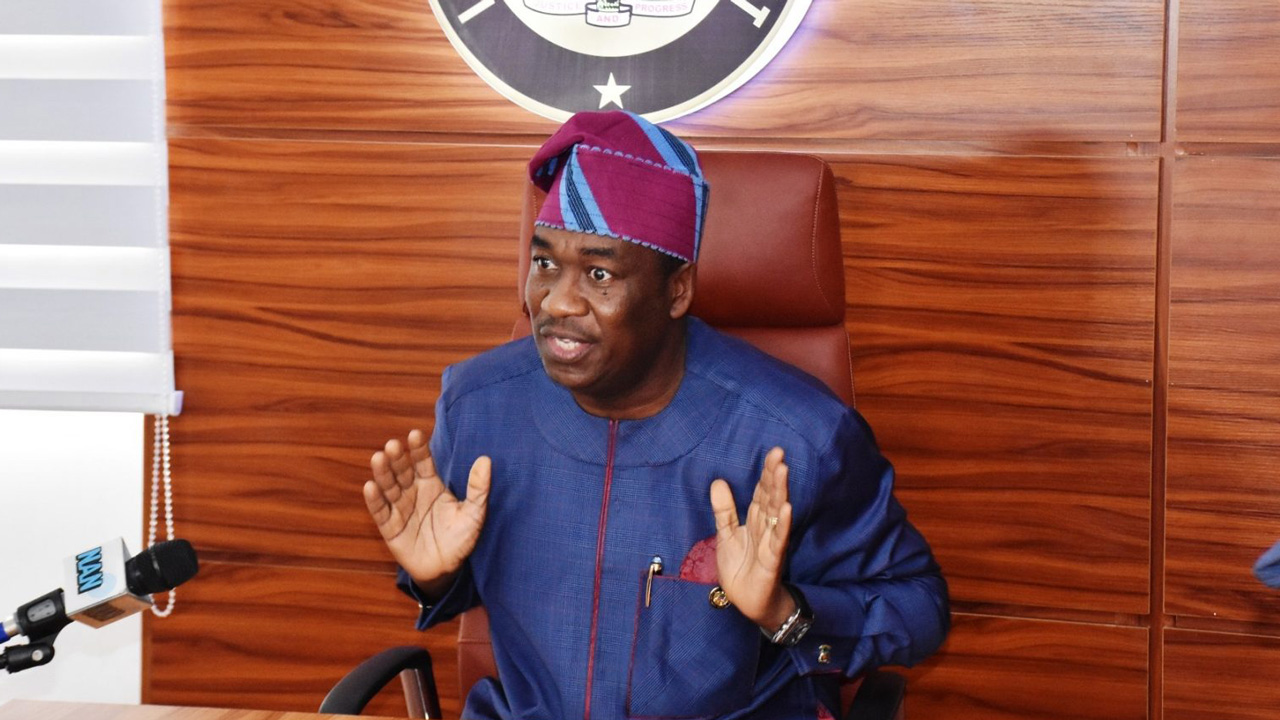
Lagos State Deputy Governor, Obafemi Hamzat, has said the state’s development agenda is anchored on long-term planning and policy continuity designed to outlive successive administrations and position Lagos as Africa’s leading business and industrial hub.
Hamzat stated this during his speech at the Invest Lagos 3.0 Summit themed “Lagos: The Business Gateway to Africa,” where he outlined the state’s industrialisation strategy and major infrastructure projects.
According to the deputy governor, Lagos distinguishes itself through the adoption of generational development plans that provide continuity and coherence in governance regardless of changes in administration.
“What separates Lagos, why is Lagos unique? Because we look at generational and long-term documents that transcend administrations, so that we are coherent in what we do,” he said.
READ ALSO: Invest Lagos: State on High Alert for Ebola, Other Outbreaks, Says Health Commissioner
He explained that the state’s development efforts are being driven through the THEMES+ Agenda, which is further expressed in the Lagos State Industrial Policy 2025–2030.
Hamzat said the policy operationalises the industrial component of the Lagos State Development Plan and is built on six mutually reinforcing pillars, including infrastructure for industrial development, industrial clusters, special industrial zones, and inclusive industrialisation.
“The Lagos State Development Plan 2052 sets the horizon and the THEMES agenda sets the operational discipline, while the industrial policy sets the industrial pathway. So it’s a five-year discipline that is serving a generational ambition,” he said.
The deputy governor noted that the state government is implementing projects designed to support economic growth, improve connectivity and strengthen Lagos’ position as a gateway for investment and trade in West Africa.
He disclosed that the proposed Lekki-Epe International Airport remains a key component of the state’s long-term infrastructure strategy.
“Lagos will land its passengers and its goods and capital at the Lekki-Epe International Airport, a project that will give the state a second international gateway and in doing so will balance the entire geography of West Africa,” he said.
“I know that the work is real and the timeline is moving.”
Hamzat also highlighted ongoing investments in mass transit infrastructure, saying the state is building an integrated transportation network that will connect rail, road and water transport systems.
“Lagos will move its people on the metro lines that we’re building. All the rail lines will be connected to bus terminals and ferries. The plan is for Lagos to industrialise with precision,” he said.
He added that the government is focused on building a smart, resilient and responsive city capable of adapting to future challenges and opportunities.
“The Lagos we’re building will be physical, intelligent and responsive and must continually learn from itself,” Hamzat said.
He maintained that the infrastructure and industrial projects being implemented across the state are already underway and would deliver tangible benefits to residents and investors.
“These are real tangible undertakings. They are the works that have started and people must and will see the impact,” he added.