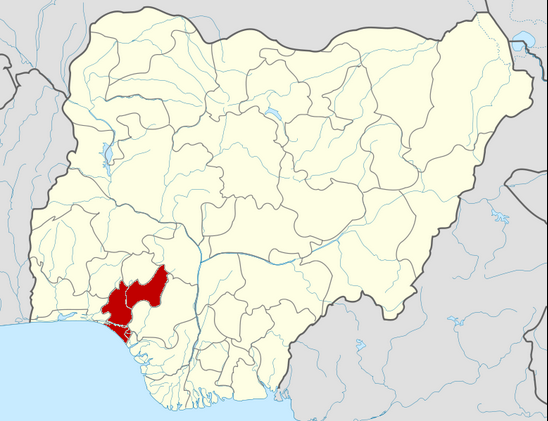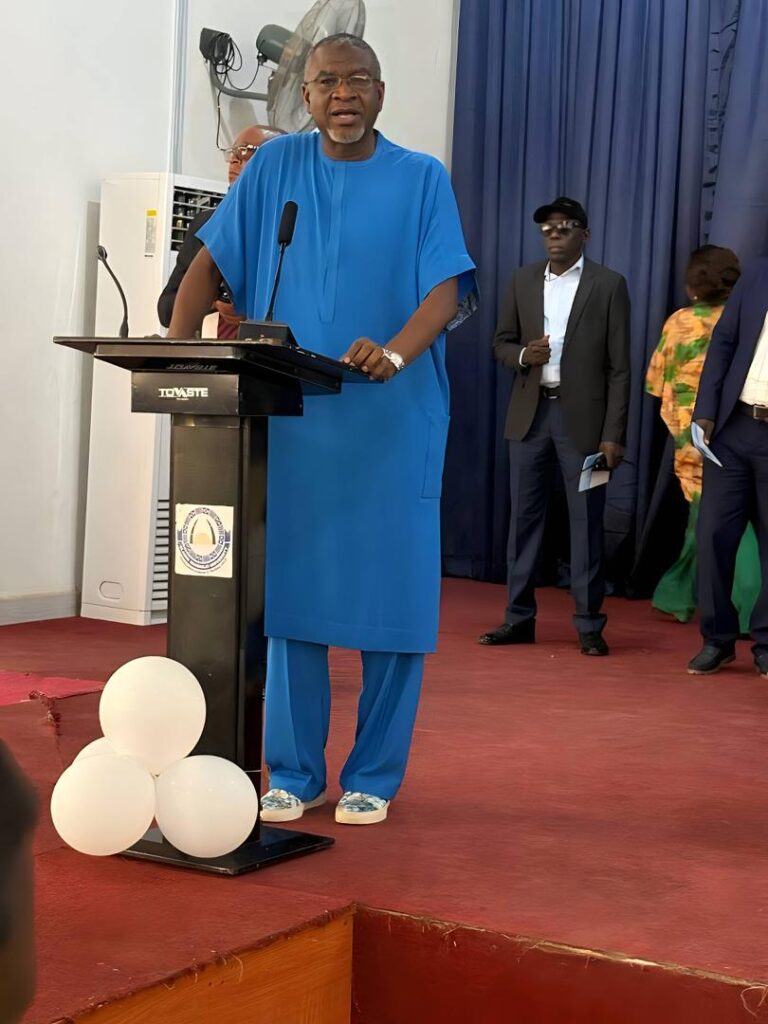
Chairman and Group Chief Executive Officer of Courteville Business Solutions Limited, Dr. Adebola Ismail Akindele, has said Ogun State can only achieve sustainable development if it adopts the governance structure and long-term planning model that has driven Lagos State’s growth over the years.
Akindele made the assertion on Wednesday while delivering the 4th Faculty of Social Sciences Open Lecture of the Olabisi Onabanjo University, titled “Politics and Governance in Nigeria: The Leadership Question.”
He said the consistent developmental progress recorded in Lagos State was not accidental but a result of institutional continuity, structured planning, and adherence to a long-term development blueprint that successive administrations have largely sustained.
According to him, Ogun State’s development challenges are largely rooted in policy discontinuity and political rivalry among successive administrations, which often leads to abandonment of projects initiated by previous governments.
Akindele noted that since the return to democratic rule in 1999, successive governors in Ogun State have struggled to maintain a unified development agenda, a situation he said has slowed the state’s progress despite its economic potential and proximity to Lagos.
He referenced past administrations of former governors Aremo Olusegun Osoba, Otunba Gbenga Daniel and Senator Ibikunle Amosun, noting that political disagreements among successive leaders have often resulted in abandoned or delayed projects.
“Governance should not be driven by rivalry. When a new administration comes in and abandons projects of its predecessor, development suffers and public resources are wasted,” he said.
He stressed that sustainable governance requires systems strong enough to outlive individual leaders, arguing that institutions—not personalities—should drive development planning and implementation.
“If you do not have a good successor, then you have failed as a leader,” Akindele added.
The corporate leader further said Ogun State must embrace structured development planning similar to Lagos State’s model, where successive governments continue with established policies and projects rather than starting afresh.
He explained that such a system ensures continuity, efficiency, and balanced development across sectors, warning that governance without continuity leads to fragmented growth.
Akindele also expressed optimism that the political dynamics ahead of the 2027 governorship election could mark a shift towards greater stability in Ogun State’s leadership succession.
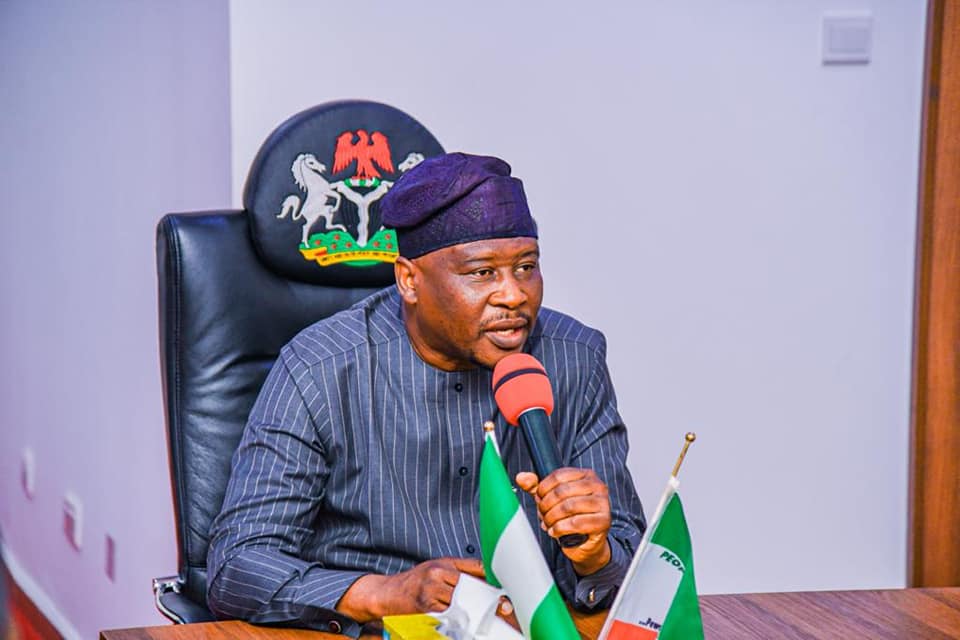
He cited emerging consensus within the All Progressives Congress (APC) around Senator Olamilekan Adeola as a possible step towards reducing post-election political tensions and ensuring policy continuity.
He noted that alignment among key political actors, including incumbent Governor Dapo Abiodun and former governors, could help strengthen governance stability in the state.
Akindele, however, urged citizens to prioritise competence, capacity and leadership vision in choosing leaders, stressing that electoral decisions should be guided by development needs rather than sentiment.
“Citizens must look beyond emotions. The quality of leadership we choose will determine the future of our development,” he said.
He also called on Nigerians to deepen civic participation and hold leaders accountable to ensure that governance translates into measurable improvements in welfare and infrastructure.
Speaking at the event, Vice Chancellor of the university, Professor Ayodeji Agboola, said universities must continue to play a critical role in shaping future leaders through education, innovation and skills development.
Also speaking, Dean of the Faculty of Social Sciences, Professor Dele Odunlami, described the lecture as timely, noting that leadership and governance challenges remain central to Nigeria’s democratic discourse.