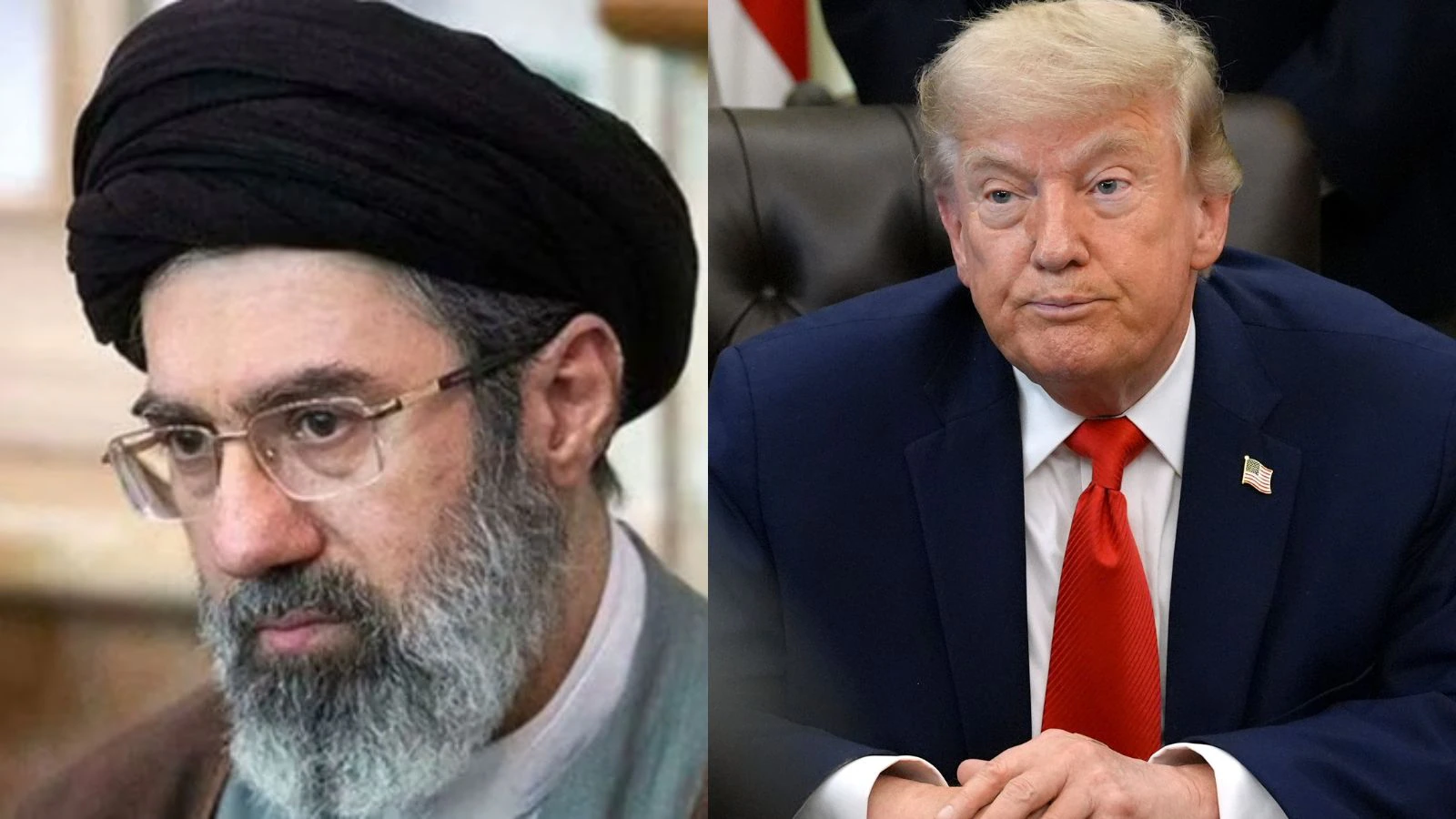
Donald Trump explained the appeal in one sentence: “Versailles is not gold leaf — Versailles is the real deal.”
For Emmanuel Macron, that was precisely the point.
On Wednesday night, the French president throws open Louis XIV’s palace to his U.S. counterpart for a private reception, show and dinner marking America’s 250th birthday. At a turbulent moment for the trans-Atlantic alliance, it could help Macron keep a personal channel open as the two navigate differences over Iran, Ukraine and tariffs.
It has already kept Trump from leaving a Group of Seven summit early, as he did last year in Canada.
“I’m a fan of beautiful places,” he told reporters, saying he had planned to leave earlier until “a very nice man” invited him to dinner.
The welcome also served a practical purpose. In an interview earlier this week with France’s TF1 television, Macron said Trump “needs to stay until the end” to help complete the summit’s agreements.
It is perhaps the biggest soft-power flex available to a French president: Versailles, the Hall of Mirrors, the gardens of the Sun King and several centuries of carefully polished national grandeur.
“Versailles is a diplomatic tool and an instrument of influence,” Macron said Wednesday, likening diplomacy to soccer. “Whether I’m playing at home or away, my goal is to score goals. And when I host other teams, I try to give them a nice welcome.”
France holds little economic or military sway over Washington, so pageantry is one of its few levers — even as its use elsewhere has brought mixed results at best.
Soft power built from stone
Macron and Trump have often clashed over policy.
Their relationship has endured partly because Macron understands the power of personal attention, dramatic settings and a well-timed invitation.
Their first meeting in 2017 produced a white-knuckled handshake that instantly became a symbol of their competitive rapport.
Months later came dinner inside the Eiffel Tower and a place of honor at France’s Bastille Day parade.
Versailles raises the stakes, allowing a French president to wrap a modern political encounter in the scale and authority of national history.
“It is soft-power flex based on hard buildings,” said Denis Lacorne, professor of American studies at Sciences Po.
Macron has used the palace before, receiving Russian President Vladimir Putin there in 2017 and later hosting King Charles III and Queen Camilla for a state dinner.
Versailles has been a favored setting for French leaders to honor foreign guests for over three centuries, the palace told The Associated Press. It remains “a place in the service of French diplomacy.”
With Trump, the setting carries added resonance.
The former real estate developer has long treated architecture as a statement of status, success and power. In his second term, he has sought to erect a legacy in stone — with plans for a new White House ballroom and a 250-foot (76-meter) triumphal arch resembling Paris’ Arc de Triomphe.
The real deal — and 357 mirrors
French media reported the evening could include a Hall of Mirrors visit and fountain display with fireworks. The full program was not released.
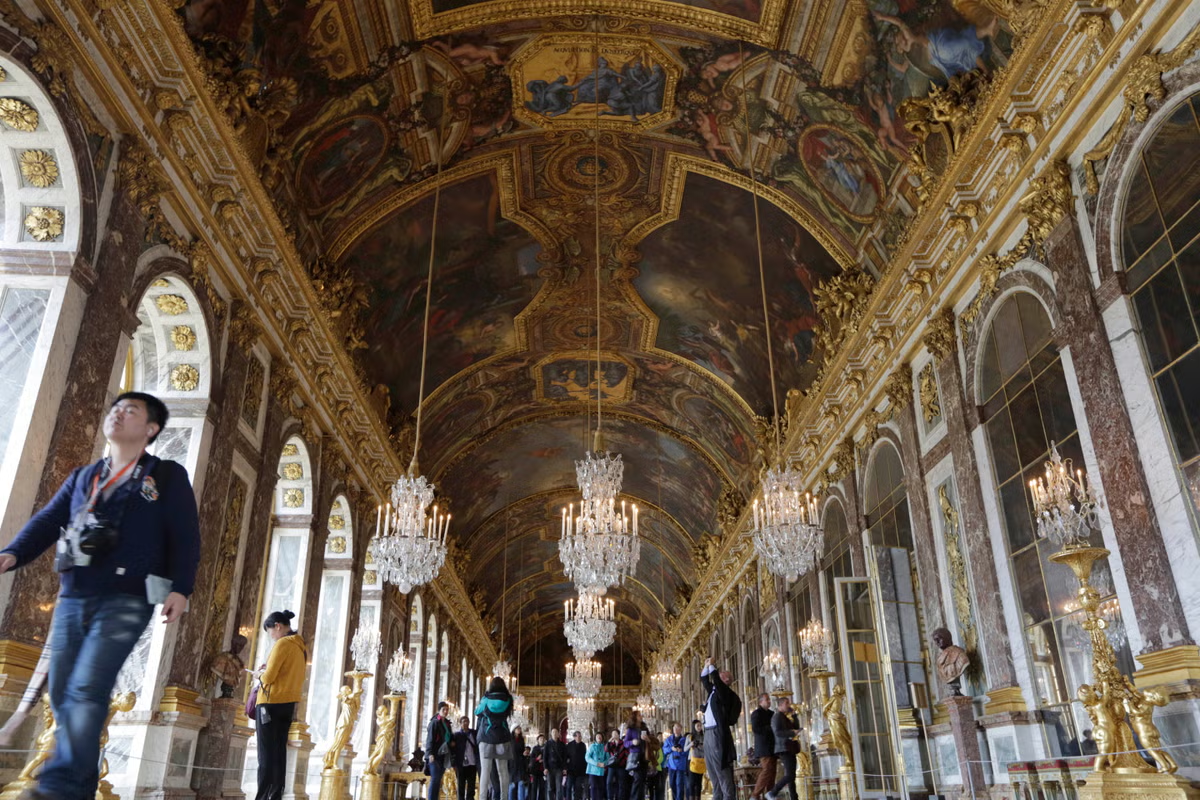
The Hall of Mirrors was once a feat of technology: 357 mirrors set in 17 arches along a 73-meter (240-foot) gallery, showing French manufacturers could rival Venice’s celebrated glassmakers.
They were also built to multiply a king. Every royal entrance ricocheted across the glass, and a modern guest gets the same treatment.
“You will be reflected many, many times, from one mirror to another,” Lacorne said.
More details here...