- What looked like a fast track to financial freedom turned into a costly lesson in Kenya’s matatu industry for one young investor
- After sinking his life savings into a 14-seater, he quickly realised that ownership on paper does not mean control on the streets
- From cartels to constant breakdowns and crew challenges, the business steadily drained his finances and peace of mind
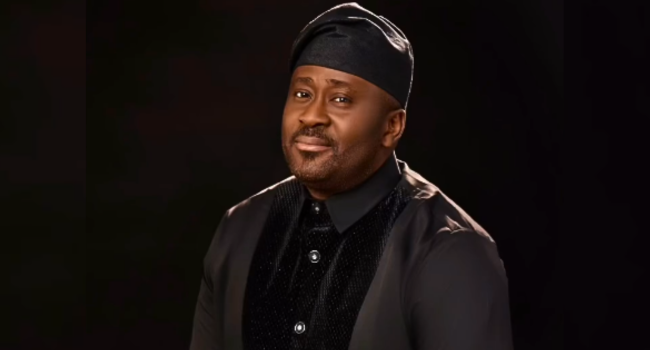
What began as a bold step towards financial independence quickly turned into what Simon Mbugua now describes as a “ticket into a chaotic underworld.”
Source: Facebook
Having ventured into the business in his early twenties, he says the investment nearly cost him his savings, his peace of mind, and his sense of direction in life.
Streets own PSV
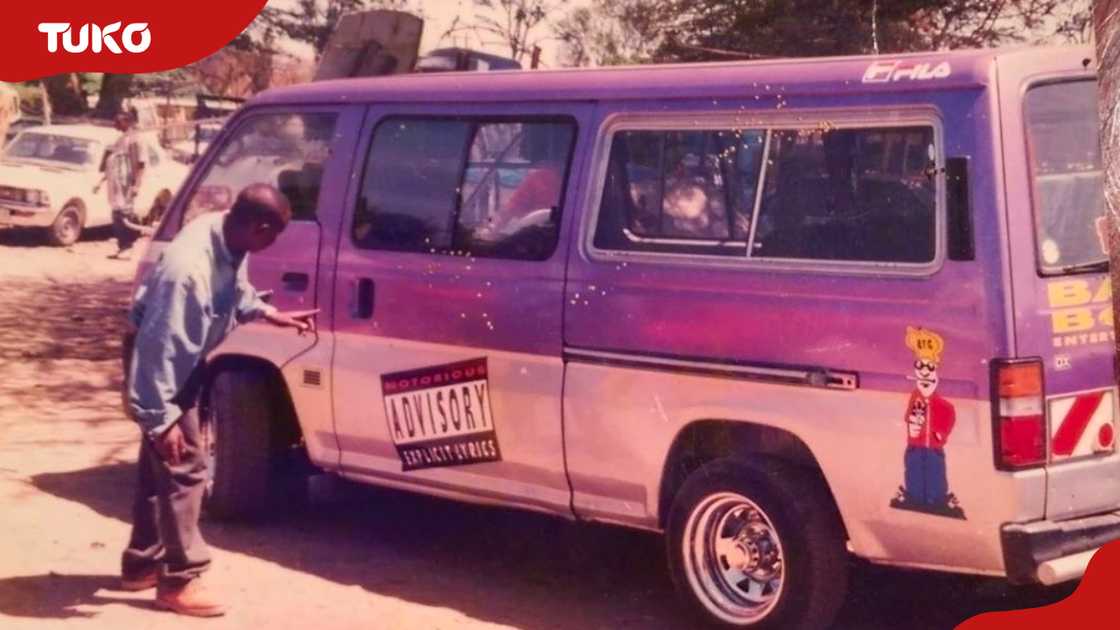
Armed with youthful optimism and a fully drained bank account, Mbugua invested his entire life savings, topped up with a small loan, into a 14-seater Nissan matatu.

Read also
Zimmerman residents take road repairs into their own hands after years of neglect
At the time, the figures made perfect sense as he had watched public transport vehicles in different towns consistently filled from dawn to night, seemingly generating a steady cash flow.
“The maths looked simple,” he recalls. “I saw passengers, I saw daily collections, and I thought this was a guaranteed path to financial freedom.”
Within weeks, reality set in that instead of becoming the owner of a profitable enterprise, he discovered a harsh truth: “You only own the logbook on paper, but the streets own the vehicle.”
His driver and conductor quickly established control over daily operations, handing over fixed amounts while retaining the remainder of the earnings.
Any concerns about declining returns were met with casual explanations of how business was really bad. But the challenges extended far beyond the crew.
At nearly every stage of operation, informal youth groups at stages demanded daily payments simply for allowing passengers to board.

Read also
Kenyan woman says Gulf job changed her life in ways she never imagined: “Singewahi kula pizza”
Refusal often led to blocked vehicles, intimidation, or damage to property. What should have been a routine business operation became, in his words, a daily negotiation for survival.
Pressure from Saccos
Then came what he describes as the “unavoidable cost” of policing. No matter how compliant he tried to be, there was always a reason to be stopped.“
“Extortion became a fixed expense. Without it, your vehicle would just rot in a police yard,” he continued.
Joining one of the Savings and Credit Cooperative Organisations that regulate matatu routes brought little relief.
Instead, Mbugua describes it as another layer of pressure, with strict fees and compliance demands that, if unmet, could see a vehicle grounded instantly.
Within two years, the financial strain had become overwhelming. Repairs became constant, spare parts increasingly expensive, and mechanical breakdowns frequent.
At the same time, he struggled with unexplained revenue shortfalls and mounting operational costs.
“The matatu was making money every day, but I wasn’t seeing it,” he says. “Every shilling disappeared into fuel, repairs, fines, crew issues, and endless demands.”

Read also
Nairobi: 71-year-old security guard emotionally reveals he walks daily to work to stay afloat
The toll was not only financial but deeply personal. Sleepless nights, constant anxiety, and the pressure of tracking a vehicle he no longer effectively controlled took a heavy emotional toll.
Mbugua exited matatu business
Eventually, Mbugua made the difficult decision to exit the business. He sold the matatu for a fraction of its purchase price, describing himself as “lucky to escape with sanity intact.”
For him, the lesson was brutal but clear. What appears on paper as a lucrative investment can be a bad financial mistake.
In practice, it is a complex ecosystem of competing interests, informal power structures, and relentless costs that erode returns long before profit is realised.
And for those still drawn to the promise of quick returns in the sector, his story stands as a cautionary tale learned, in his words, “the hardest way possible.”
Source: NGBREAKINGNEWS