The sound of gunfire shattered the silence of the night. Families rushed indoors, businesses closed abruptly, and fear spread through the community. Unfortunately, such scenes have become a recurring reality in many parts of Nigeria, where security challenges continue to threaten lives, property, and national development.
Nigeria, Africa’s most populous nation, has long been admired for its rich cultural diversity, economic potential, and resilient people.
However, the country is currently facing some of its most difficult security challenges in recent history. From terrorism and banditry to kidnapping, armed robbery, communal clashes, and cybercrime, insecurity has become a major concern for citizens and government alike.
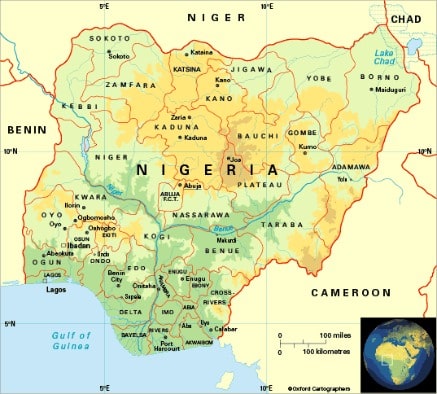
In the North East, terrorist activities have displaced thousands of people from their homes, forcing many families into internally displaced persons’ camps. In the North West, bandit attacks on villages and highways have created fear among travelers and residents. Meanwhile, kidnapping for ransom has become a profitable criminal enterprise in several parts of the country, affecting students, farmers, business owners, and even religious leaders.
The impact of insecurity goes beyond the immediate loss of lives. Farmers often abandon their farmlands due to fear of attacks, resulting in reduced agricultural production and rising food prices. Investors become hesitant to establish businesses in areas considered unsafe, leading to unemployment and slower economic growth. Children are also affected, as many schools have been forced to close temporarily following security threats.
Experts attribute Nigeria’s security problems to several factors, including poverty, unemployment, corruption, weak law enforcement, porous borders, and the proliferation of illegal weapons. The lack of economic opportunities has made some young people vulnerable to recruitment by criminal groups, while inadequate intelligence gathering has sometimes hindered efforts to prevent attacks before they occur.
Despite these challenges, efforts are being made to improve the security situation. Security agencies continue to conduct operations against criminal groups, while government and non-governmental organisations are investing in youth empowerment programs aimed at reducing unemployment. Community leaders and religious organisations have also intensified campaigns promoting peace, tolerance, and social cohesion.
Many Nigerians believe that addressing insecurity requires a collective approach. Citizens are encouraged to provide useful information to security agencies, while government institutions must strengthen intelligence networks, improve security infrastructure, and ensure accountability in public service. Equally important is the need to create jobs, improve education, and reduce poverty, which are often linked to crime and violence.
As Nigeria continues its journey toward peace and development, the fight against insecurity remains one of the nation’s greatest challenges. While progress may be gradual, the determination of citizens, security personnel, and policymakers offers hope that safer communities can be built for future generations.
Security is not merely the responsibility of the government alone; it is a shared responsibility.
Only through cooperation, vigilance, and sustained commitment can Nigeria overcome its security challenges and achieve lasting peace and prosperity.
. Ahonsi is a student of Journalism and Media Studies, Delta State University, Abraka.