New Delhi:
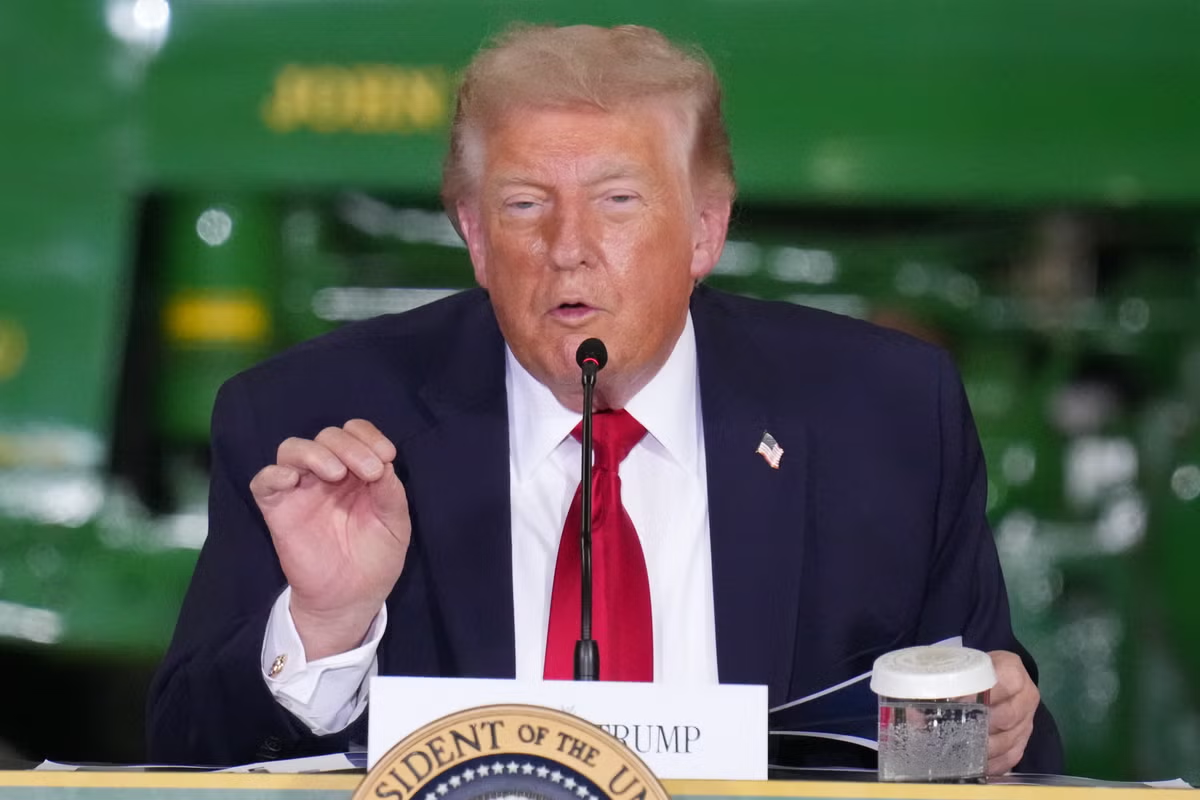
US President Donald Trump on Thursday said that he believes there are “no limits” to his ability to exert power, denying that he wasn’t in any way humbled by the three-month war with Iran, which had far-reaching effects across the world.
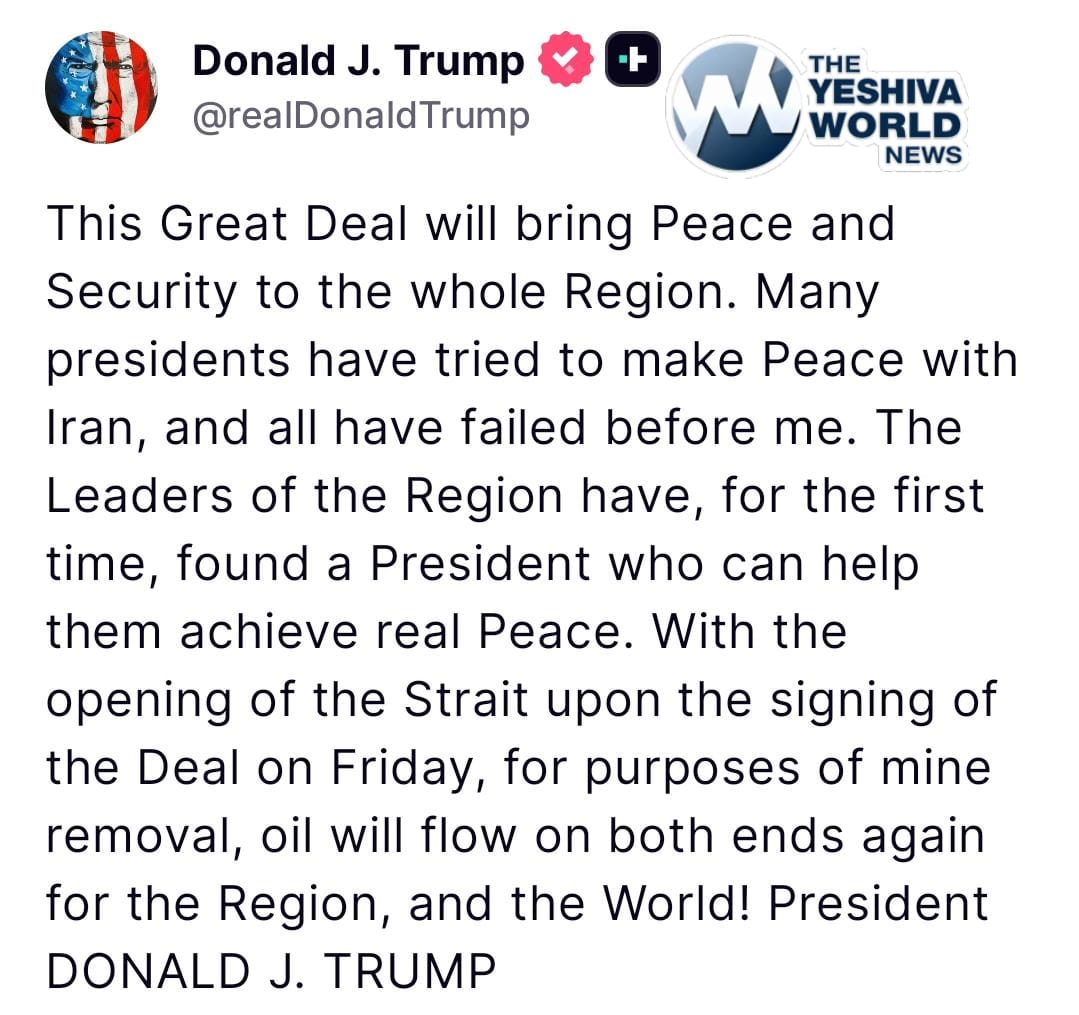
Trump told Axios that he’s negotiated a memorandum of understanding, the future of which has come under question as Vice President JD Vance cancelled his Switzerland visit, to keep the war from turning into a global economic depression. Though he entered the war demanding Iran’s unconditional surrender, the current deal leaves out Washington’s key ask that Iran halts its nuclear enrichment and moves the stockpile. Asked if the war has taught him about the limits to his power, Trump said, “I haven’t learned that lesson yet. I know there are, but there are no limits.”
Reiterating his claim that Iran’s military was defeated by the US, Trump said the MoU points to a probable “unconditional surrender”. “Who else could have done a blockade like that? I did a naval blockade where not one ship was able to get through. Some tried. It didn’t last very long,” he told Axios.
Trump insisted that the deal showed the deal was not a reflection on his power, but was rather a move to get the oil moving to avoid global depression. “The only way I can get tougher is if I go in there for another two or three weeks and continue to bomb the hell out of ’em. Right? But what does that get us? The Strait of Hormuz will not be open. We wouldn’t have oil for months. This is the kind of thing that could cause a worldwide depression,” he said.
Shadow Cast On Larger Deal
The signing of the deal on Wednesday by Trump and Iranian President Masoud Pezeshkian set in motion a 60-day period for talks on wider issues between the two foes, including the Iranian nuclear programme.
But questions have been raised by Vance’s postponement of his Switzerland trip where talks to discuss next steps on the US-Iran agreement on ending the war in the Middle East were to be discussed on Friday.
“As they dial up their good behavior, we can dial up the economic relief,” Vance had earlier said. “If they dial down their good behavior, we can turn it off.”
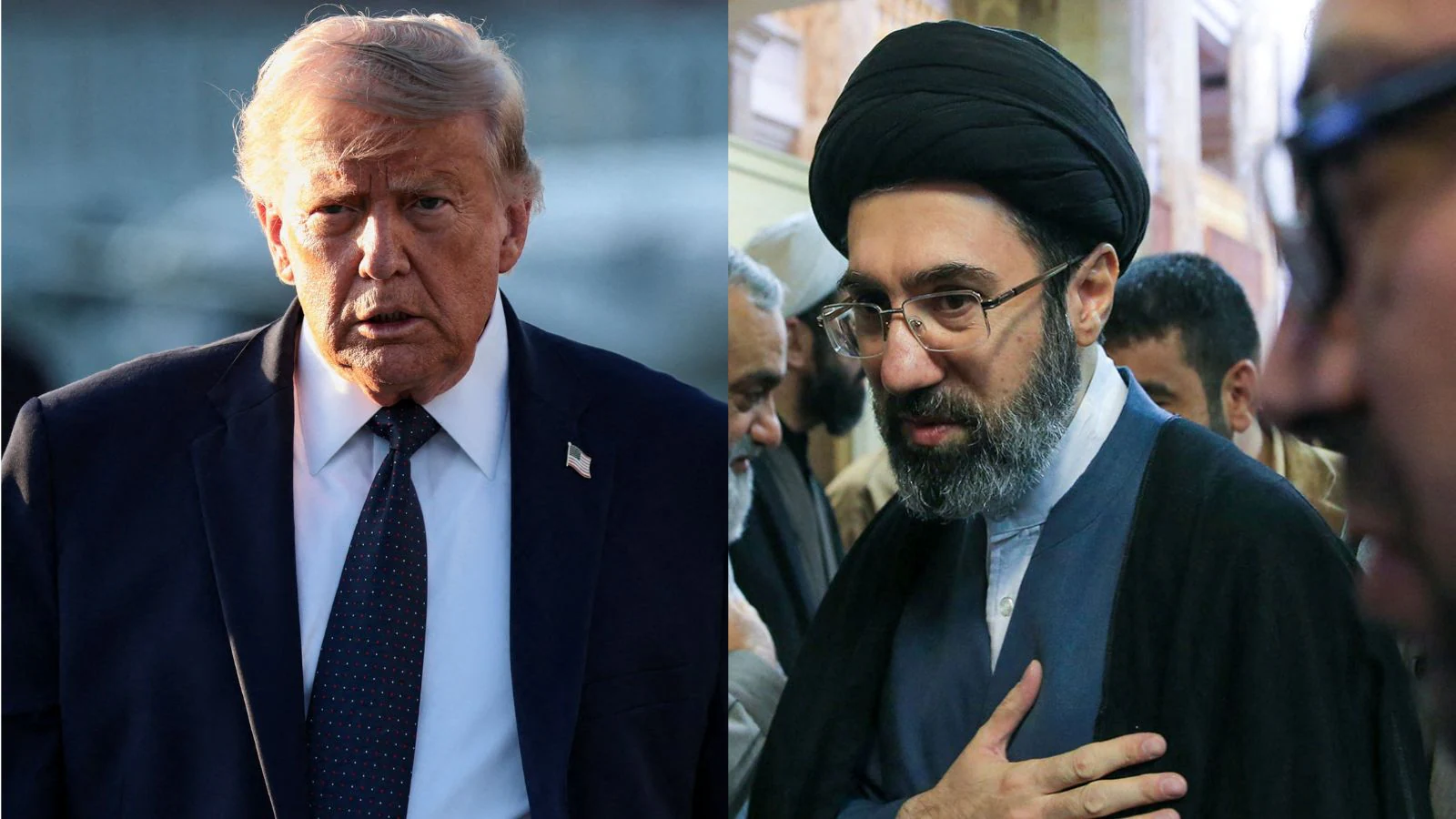
Iran’s supreme leader Ayatollah Mojtaba Khamenei had on Thursday voiced reservations regarding the agreement. “Face-to-face negotiations” with the US will be held in the future, but that does not “mean accepting the enemy’s point of view”, he added.
Hormuz Opens After 3-Month Blockade
American forces lifted their naval blockade of Iranian ports that had prevented ships from sailing to or from the Islamic republic, the US military said, noting that American warships “will remain in the general area”. Three Saudi oil tankers left the Gulf through the strait on Thursday, maritime trackers said, as did a French vessel loaded with liquified natural gas.
Vance said more than 12.5 million barrels of oil went through the Strait of Hormuz on Wednesday night, even as maritime data company Lloyd’s List Intelligence said major shipowners began moving vessels through the critical energy chokepoint but gave no data on numbers. Two Iranian-flagged, sanctioned crude oil tankers owned by the National Iranian Tanker Company have entered the strait, according to Lloyd’s List.
Iranian state media said shipping had “normalized” at Iran’s southern ports but added that the strait remains supervised and under the control of the Iranian military, and transiting through the vital waterway still requires coordination. Iran said no fees whatsoever will be collected from applicants for a period of sixty days”, an agreement that came in exchange of Washington’s commitment to immediately waive oil sanctions crippling Iran’s economy.
Lloyd’s List estimated that 550 merchant ships will need to exit the Persian Gulf. It could take weeks or months to fully reopen the strait, and the two alternative routes – the northern route through Iranian waters and southern route through Omani waters – do not have as much capacity as the strait’s central passage.
The Nuclear Question
The path ahead is expected to see negotiations between the US and Iran. A favourable outcome of the final agreement will likely be a halt on nuclear enrichment by Iran, while the US will facilitate the release of a $300 billion reconstruction fund supported by regional nations.
Earlier, a top Trump administration envoy told US lawmakers in a private briefing that Iran will invite the UN’s nuclear watchdog agency to inspect its nuclear sites.
Trump envoy Steve Witkoff told members of Congress that Iran will invite the International Atomic Energy Agency to inspect its nuclear sites and begin work on identifying and uncovering the locations of Tehran’s enriched material, which is believed to be buried under rubble.
What The MoU Entails
The memorandum of understanding – signed by Trump and Pezeshkian – says Iran “reaffirms that it shall not procure or develop nuclear weapons,” but provides no mechanism for that to be verified or enforced.
The agreement calls for Tehran to dilute its stockpile of highly enriched uranium and waives US-backed sanctions on the country, immediately allowing Iran to sell its oil freely in a major concession from Washington, according to details released by both countries.
It also provides for the establishment of a $300 billion reconstruction fund for Iran, the lifting of a US naval blockade of Iran’s ports, and sanctions waivers allowing Tehran to export oil, among other steps.
The document makes no mention of missiles, proxies or the navy, though the latter has been largely destroyed by US strikes.