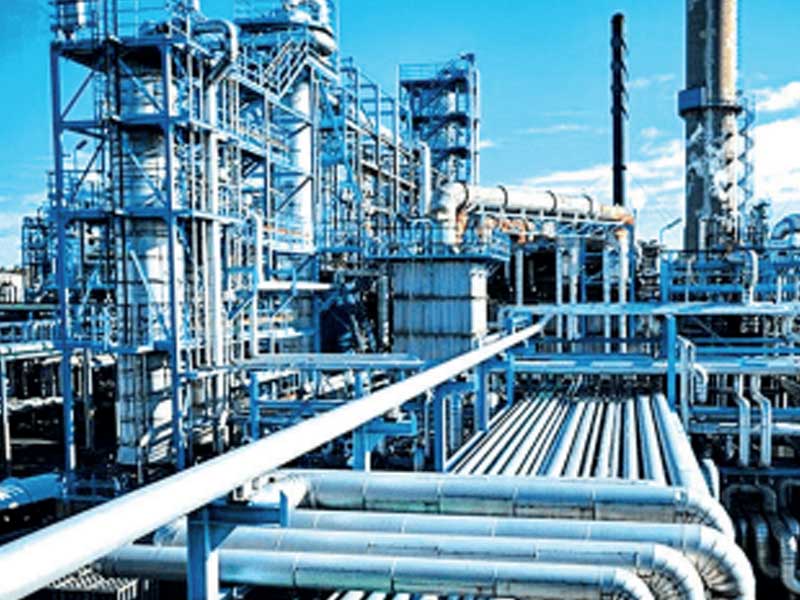
·650,000bpd facility supplies 41.5m litres daily as utilisation tops 101%
·Imports constitute 12.74% of total supply
·Crude receipts by domestic refineries drop by 5.6% m-o-m
Emmanuel Addeh in Abuja
Petrol imports into Nigeria rose sharply by 59.5 per cent in May despite the Dangote Petroleum Refinery retaining all its Premium Motor Spirit (PMS) output for the domestic market and exporting none of the product during the period under consideration.
The latest operations fact sheet released by the Nigerian Midstream and Downstream Petroleum Regulatory Authority (NMDPRA), showed that PMS imports increased from 3.7 million litres per day in April to 5.9 million litres per day in May, with the Dangote refinery supplying 41.5 million litres of petrol daily to the local market.
A THISDAY analysis of the figures showed that imported petrol accounted for about 12.4 per cent of total petrol supply during the month under consideration, with national stock sufficiency estimated at 16 days.
According to the monthly report, the refinery produced an average of 44.7 million litres of PMS per day during the period, with total daily consumption by Nigerians standing at 46.3 million litres per day, while import was almost 6 million litres daily, indicating that supply exceeded demand during the period.
While the Dangote Refinery has significantly altered Nigeria’s downstream market by ensuring domestic production of fuel despite the shutdown of government-owned facilities, imports of products have not been completely displaced in the country.
The development has renewed debate among industry stakeholders over the pace of Nigeria’s transition to a fully domestically supplied fuel market and the continued role of importers in meeting national energy needs.
While the regulator and a section of the industry argue that a continued level of fuel imports is necessary to guarantee energy security, ensure supply diversity and prevent a monopoly, the Dangote Refinery has repeatedly maintained that unrestricted imports undermine local refining investments and discourage the growth of domestic refining capacity.
Besides, it has emphasised that halting imports altogether will help protect billions of dollars invested in refining infrastructure and accelerate Nigeria’s transition away from dependence on imported petroleum products, thereby enhancing job creation and economic growth.
Furthermore, the NMDPRA data indicated that the refinery operated at an average capacity utilisation of 101.25 per cent in May, underscoring the growing role of the Dangote refining facility in Nigeria’s fuel market, despite ongoing challenges.
Month-on-month, domestic consumption of petrol declined by 9.4 per cent, from 51.1 million litres per day in April to 46.3 million litres per day in May, while crude supply to the local refineries also reduced by 5.6 per cent, from 612,000 barrels per day to 578,000 bpd.
Beyond the petrol-related data, the May 2026 figures showed a stronger diesel and aviation fuel supply but weaker refinery crude intake, LPG availability, stock levels and domestic gas supply.
Total diesel supply jumped 84.3 per cent from 10.2 million litres per day in April to 18.8 million litres per day. The increase was driven entirely by domestic production, which rose from 8.5 million litres per day to 18.8 million litres per day, a 121.2 per cent increase.
Also, imports dropped to zero from 1.7 million litres per day in April, indicating that local refiners were able to completely meet diesel supply requirements during the month, emerging one of the strongest indicators of improving domestic refining capacity. But diesel consumption dropped 7.5 per cent from 17.3 million litres per day to 16.0 million litres per day despite the substantial increase in supply.
Diesel stock sufficiency fell from 39 days to 31 days, a decline of 20.5 per cent. This was the sharpest drop among the stock indicators and suggested reduced inventory buffers despite higher domestic production.
Besides, aviation fuel recorded strong growth as supply rose by 38.5 per cent from 2.6 million litres per day to 3.6 million litres per day, while consumption increased by 24 per cent from 2.5 million litres per day to 3.1 million litres per day. The simultaneous rise in supply and demand suggests stronger aviation activity and improved product availability.
However, crude oil receipts by domestic refineries declined. Refiners received 578,000 barrels per day of crude in May compared with 612,000 barrels per day in April, representing a 5.6 per cent decline.
In the same vein, the cooking gas market softened, with total LPG supply falling by 8.9 per cent from 4.5 kilo tonnes per day to 4.1 kilo tonnes per day.
Domestic LPG supply declined by 11.1 per cent from 4.5 kilo tonnes per day to 4.0 kilo tonnes per day. Imports, although still marginal, increased from virtually zero to 0.1 kilo tonnes per day. Consumption also fell by 6.3 per cent from 4.8 kilo tonnes per day to 4.5 kilo tonnes per day during the period.
The report also showed that the country’s three operating modular refineries: WalterSmith, Edo Refinery and Aradel collectively supplied an average of 648,000 litres of diesel per day during the month. Their contribution remained relatively small compared to volumes produced by the far larger Dangote Refinery.
The NMDPRA report also pointed to ongoing progress in critical gas infrastructure projects, including the Ajaokuta-Kaduna-Kano (AKK) Pipeline (94.3 per cent); OB3 River Niger Crossing (96 per cent), Escravos-Odidi Pipeline (20 per cent); Odidi-Warri Expansion Project (72.81 per cent) and the ELPS Midline Compressor Project (94 per cent), all of which are expected to improve gas transportation and domestic utilisation upon completion.