Although the figure was higher than the $120,000 recorded in the first quarter of 2025, it remained one of the smallest inflows recorded among the sectors tracked by the report.
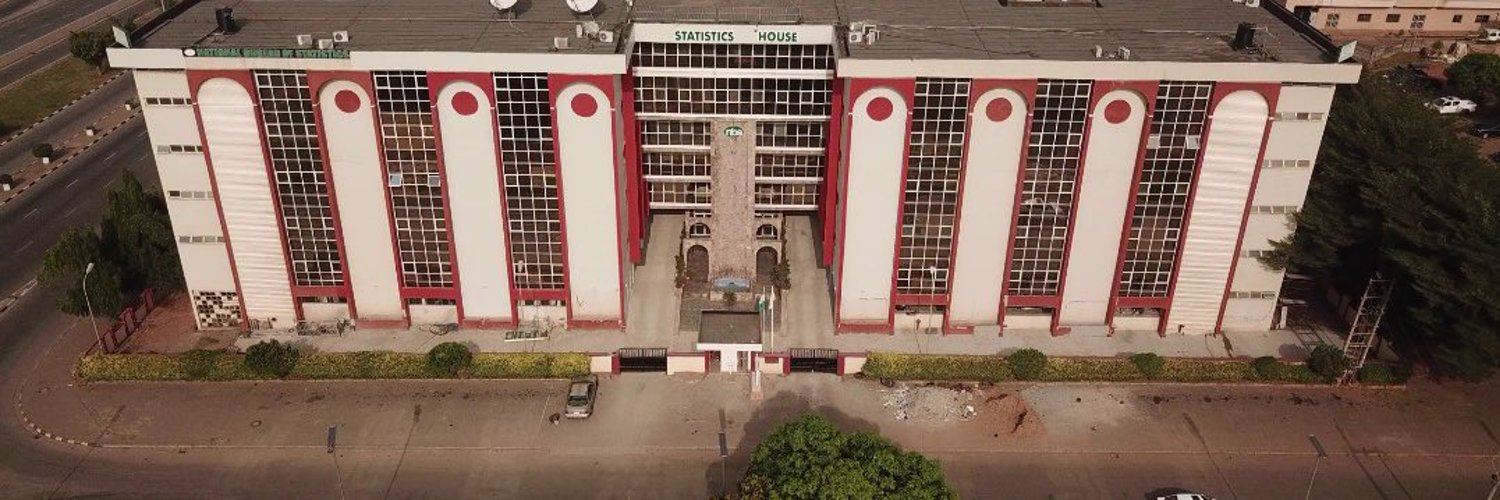
The Nigerian oil and gas sector attracted only $460,000 in foreign capital during the first quarter of 2026, despite the country recording a sharp increase in overall capital inflows, according to the data released by the National Bureau of Statistics (NBS).
Although the figure was higher than the $120,000 recorded in the first quarter of 2025, it remained one of the smallest inflows among the sectors tracked by the report.
The latest Capital Importation Report showed that Africa’s most populous country attracted $10.4 billion in the first three months of the year, representing an 83.8 per cent increase from the $5.64 billion reported a year earlier.
Of the total capital inflow into the economy, the oil and gas sector accounted for less than 1 per cent, underscoring the industry’s continued struggle to establish itself as a strong destination for foreign capital, despite oil being Nigeria’s biggest export.
The report showed that investors overwhelmingly favoured financial services over the real sector of the economy.
The banking industry topped others in terms of share of foreign capital inflows, attracting $7.6 billion or 72.8 per cent of the total.
Coming next was the financing sector with $2.4 billion or 23.4 per cent, while the production and manufacturing sector accounted for $152.27 million or 1.5 per cent.
Other sectors that attracted foreign capital inflows in the review period included agriculture, telecommunications, information technology, construction, healthcare, and education.
Compared to the fourth quarter of 2025, when Nigeria recorded inflows of $6.4 billion, capital importation rose by 61 per cent.
Portfolio investment drove the increase, contributing $9.9 billion or 95.1 per cent of total inflows, implying the continued preference of international investors for Nigerian securities over forms of investment.
Other investments stood at $374.5 million, representing 3.6 per cent, while foreign direct investment contributed $135.1 million or 1.3 per cent.
The latest data come as government officials continue to highlight growing investment commitments in Nigeria’s petroleum industry.
Earlier this year, the minister of state for petroleum resources (oil), Heineken Lokpobiri, said Nigeria secured 28 new Field Development Plans valued at $18.2 billion in 2025, with the projects expected to unlock about 1.4 billion barrels of crude oil reserves.
The chief executive officer of NNPC Limited, Bashir Bayo Ojulari, has also said that recent regulatory reforms have facilitated more than $24 billion in upstream investments, while additional projects worth about $10 billion are under consideration.
The UK was Nigeria’s largest source of foreign capital during the quarter, accounting for $5.18 billion or 49 per cent.
The US followed with $3.2 billion, representing 30.7 per cent, while South Africa contributed $983.83 million or 9.5 per cent.
Among financial institutions, Standard Chartered Bank Nigeria Limited recorded the highest inflow at $4.4 billion, followed by Stanbic IBTC Bank Plc with $2.8 billion and Rand Merchant Bank with $930.82 million.
The latest figures highlight a continuing disconnect between Nigeria’s position as one of Africa’s largest oil producers and the level of foreign capital flowing directly into the sector, even as overall investment inflows into the country continue to rise.