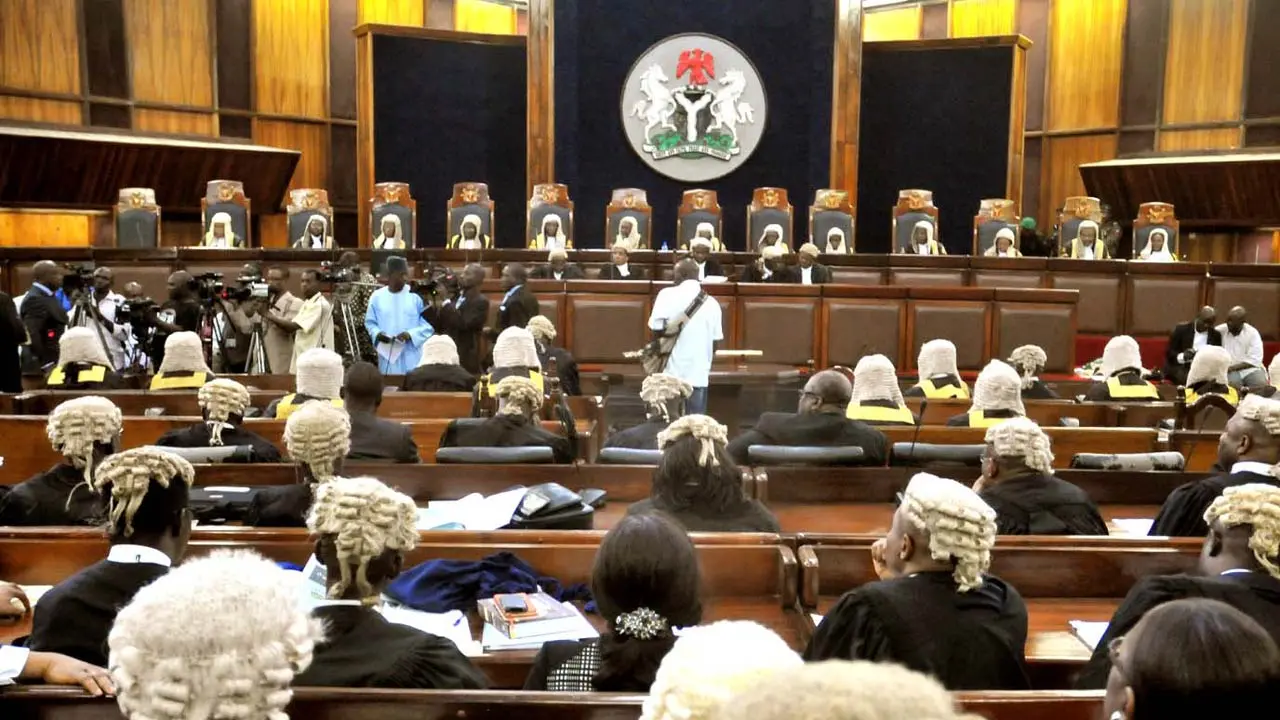
The new platforms are expected to digitise key aspects of Supreme Court’s operations, including the filing and management of cases.
The Supreme Court of Nigeria is planning to unveil an electronic filing system and a digital case management platform, a major step towards modernising the administration of justice in the country.
The Chief Registrar of the Supreme Court, Kabir Akanbi, announced the development in a statement on Wednesday.
According to the statement, the Supreme Court Electronic Filing (E-Filing) System and the Nigeria Case Management System (NCMS) will be formally launched by the Chief Justice of Nigeria, Kudirat Kekere-Ekun, on 1 July.
The new platforms are expected to digitise key aspects of the court’s operations, including the filing and management of cases.
Mr Akanbi said the systems were introduced to improve efficiency, transparency and access to justice while helping the court handle cases more effectively.
“The E-Filing System and NCMS are designed to enhance efficiency, transparency, accessibility and the timely dispensation of justice by modernising the Court’s case filing and management processes,” he said.
The Supreme Court said the initiative forms part of ongoing efforts to deploy technology in judicial administration and improve service delivery at the country’s apex court.
The move comes amid growing adoption of digital tools across Nigeria’s justice sector as courts seek to reduce delays associated with manual processes and improve case tracking and record management.
Although electronic filing has been introduced in some courts across the country, its deployment at the Supreme Court is expected to streamline procedures at the highest level of Nigeria’s judicial system and reduce reliance on paper-based processes.
Mr Akanbi stated that further details on the implementation of the systems, including the rollout schedule and operational guidelines, would be announced later.
The Supreme Court has in recent years embarked on several reforms aimed at improving the speed and efficiency of judicial processes, with technology increasingly playing a central role in those efforts.