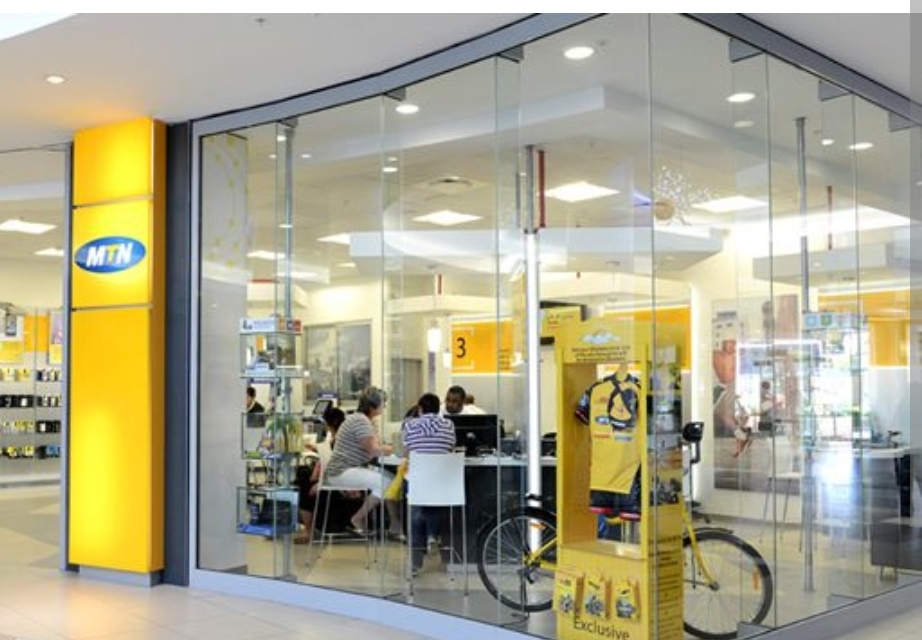
As regulatory tensions surrounding Nigeria’s digital lending sector begin to ease, attention is increasingly turning to a question with significant implications for consumers, investors and the telecommunications industry: can MTN Nigeria afford to keep its XtraTime service offline much longer?
The question has gained prominence following the decision of the Federal Competition and Consumer Protection Commission (FCCPC) to suspend enforcement of its Digital, Electronic, Online or Non-Traditional Consumer Lending (DEON) Regulations 2025 in compliance with an interim order of the Federal High Court in Lagos
.
The move immediately enabled Airtel Nigeria and Globacom to restore their airtime lending services, reopening access to emergency credit facilities relied upon by millions of subscribers. Yet, weeks after the regulatory thaw, MTN’s XtraTime service remains unavailable.
Industry analysts say the continued suspension presents both commercial and economic considerations for Nigeria’s largest telecommunications operator.
At the heart of the debate is the growing transformation of airtime lending from a convenience service into a critical component of Nigeria’s digital financial ecosystem.
For many low-income Nigerians, airtime credit functions as a form of short-term liquidity support. Traders use it to communicate with suppliers during cash shortages, transport operators depend on it to coordinate daily activities, while artisans and small business owners rely on it to maintain contact with customers when disposable income is stretched.
The importance of such services has grown in an economy where inflationary pressures continue to erode household purchasing power and where millions operate outside the formal banking system.
Industry estimates place annual airtime and data lending transactions at more than ₦400 billion, while broader market calculations suggest the ecosystem could be worth over ₦1 trillion.
Given MTN’s dominant market position, analysts believe the operator accounts for a substantial share of this activity.
The commercial significance of XtraTime is equally difficult to ignore.
Financial disclosures showed that MTN’s fintech business generated more than ₦131 billion in revenue during the first nine months of 2025, with airtime lending services contributing significantly to that performance.
For a company that has increasingly positioned fintech as a major growth pillar, the prolonged absence of one of its most popular consumer products raises questions about revenue opportunities being deferred during a period of heightened competition.
Nevertheless, industry experts acknowledge that MTN’s cautious approach did not emerge without justification.
The DEON regulations introduced by the FCCPC contained provisions that many operators considered potentially onerous.
Among them were sanctions that included fines of up to ₦100 million or one per cent of annual turnover for entities found to be in violation of the rules.
For a corporation of MTN’s scale, such penalties could translate into billions of naira in financial exposure.
The company consequently adopted a conservative posture, choosing to suspend XtraTime pending greater legal certainty.
MTN’s Chief Corporate Services and Sustainability Officer, Tobechukwu Okigbo, had indicated that the company would require either a court decision setting aside the regulations or a clear regulatory directive authorising reinstatement before restoring the service.
However, legal observers note that the operating environment has changed considerably since then.