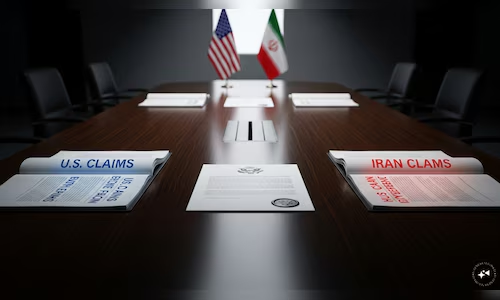
However, there are significant differences between the narratives of the two sides on what the peace deal would contain. The largest gap between the narratives is over what was actually conceded on the nuclear issue, and the compensation demanded by Iran for the damages caused during the war.
According to reports citing sources in Tehran, the peace agreement is mainly a ceasefire and sanctions-relief framework, which means Iran gets to keep its nuclear infrastructure and uranium as negotiations continue on the other tracks.
However, according to Donald Trump, if there’s no agreement on Iran’s nuclear programme, after the proposed negotiations over the 60 days following the signing of the deal in Switzerland on Friday, the US could restart military attacks, the American President told the New York Times in an interview on Sunday.
Let’s take a look at the claims from both sides on the most important disagreements:
| Issue | Iranian version | The US version |
| Strait of Hormuz | Iran retains authority over the strait and may regulate or charge for passage; reopening occurs on Iranian terms. | The strait will be open to all as it was before the war. |
| Nuclear program | Iran says the agreement imposes no new nuclear restrictions and allows it to retain enriched uranium pending future talks. | Trump presents the deal as including Iranian commitments not to obtain nuclear weapons and eventually relinquish or address its enriched uranium inventory |
| Lebanon / regional fronts | Iran says the ceasefire covers all fronts, including fighting involving allies in Lebanon. | Israel Prime Minister Benjamin Netanyahu claims the peace deal won’t extend to Lebanon, and his army would continue its attacks there. |
| Compensation | Iran claims the US and allies would pay $300 billion for reconstruction. | A Reuters report confirmed an economic development plan for Iran, without specifying a dedicated corpus. |
| Sanctions relief | Iran highlights sanctions relief, and release of frozen assets, during the 60-day negotiation process. | Any such move would require approval from the US Congress. |
Read more: India’s growth mix may have changed tangibly