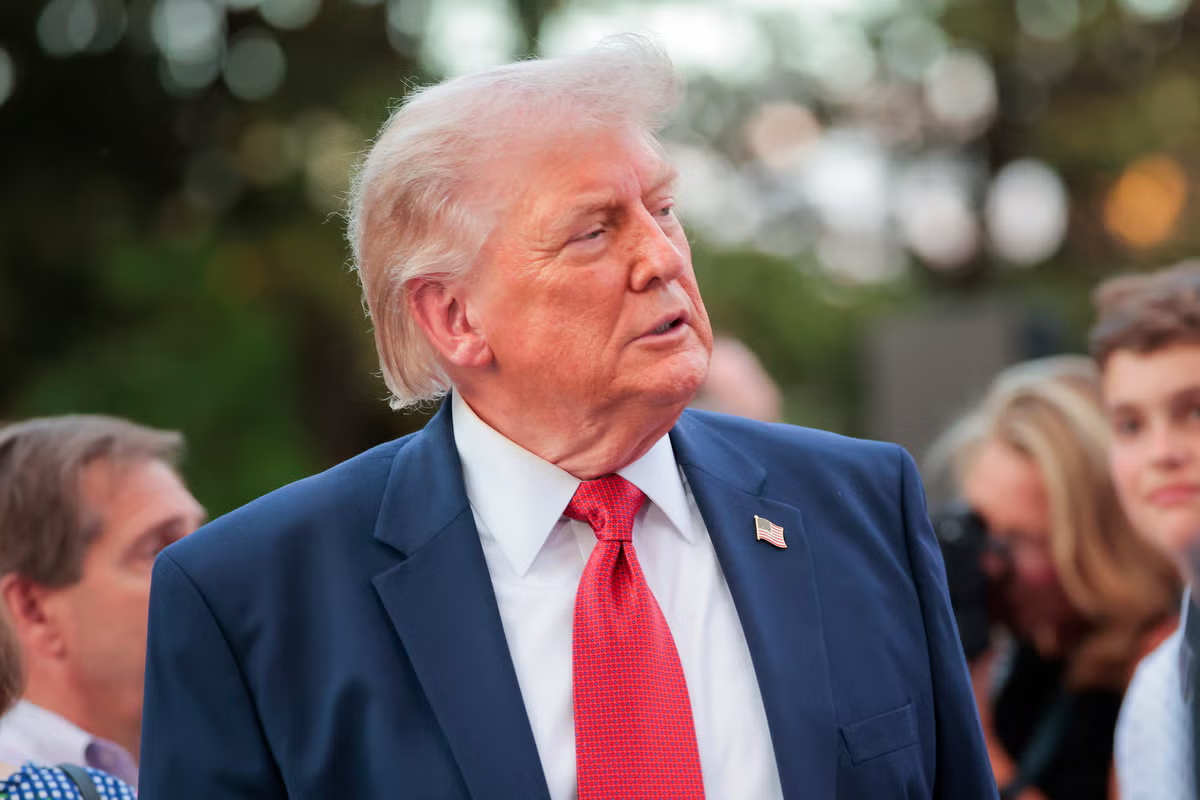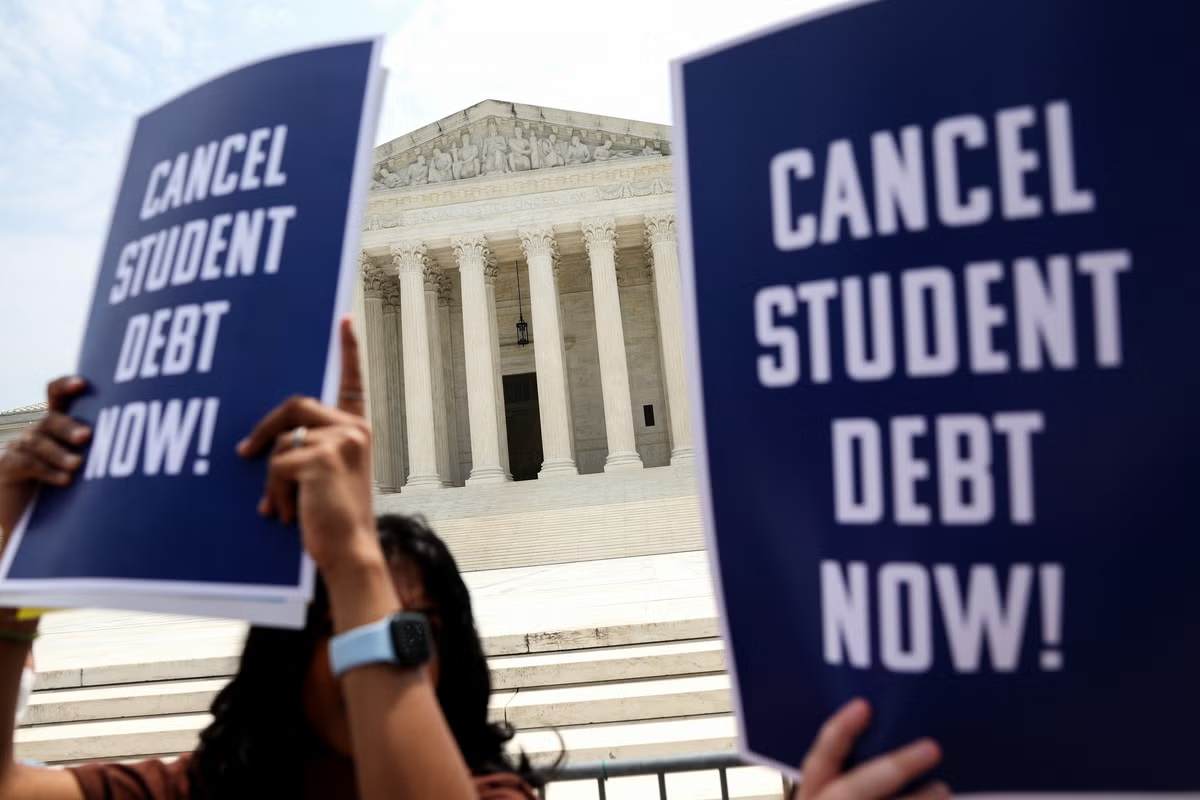
Donald Trump’s Education Department is considering a new rule that would cut federal student loan access for certain undergraduate and graduate programs that result in low-paying jobs.
The proposed rule would end federal student loan eligibility for undergraduate programs where the typical graduate “does not earn as much as a high school graduate,” the Education Department said in April. Graduate programs would also have to result in earnings “above those of an average bachelor’s degree holder” to remain eligible.
“The Trump Administration’s proposed accountability framework is grounded in common sense: if postsecondary education programs do not leave graduates better off, taxpayers should not subsidize them,” Under Secretary of Education Nicholas Kent said.
“This consensus-backed framework will drive meaningful change in postsecondary education, ending years of regulatory whiplash and addressing student debt that has left too many students worse off,” he added.
Thousands of programs could be impacted by this new rule. An estimated 75.6 percent of undergraduate culinary and personal services programs would fail the proposed test, along with 6.7 percent of health-related programs and 8.2 percent of humanities/liberal arts programs, according to data published by the Education Department.
The Education Department opened submissions for public comments in April, and several organizations have since asked the agency to alter the proposed rule.
The American Council on Education said it was joined by nearly 40 other organizations in urging “critical adjustments” to the proposal. The council argued that the rule’s framework relies on “flawed metrics, an inadequate implementation timeline, and enforcement mechanisms that overstep congressional intent.”
“A final product rushed to a final consensus vote shortchanges all stakeholders, especially students,” Ted Mitchell, the council’s president, wrote in his submitted comments.
The Association for Biblical Higher Education also requested that the Education Department adjust the framework or implement an exemption for religious studies programs at faith-based institutions.
“We don’t want it to be the single biggest defunding of religious higher education in the United States,” Philip Dearborn, the president of the association, told The Washington Post.
An estimated 8.8 percent of undergraduate religious studies programs would fail the proposed test, according to Education Department data.
The Education Department is “currently reviewing comments,” an agency spokesperson told The Independent when asked about these concerns.
This comes after Trump’s One Big Beautiful Bill Act overhauled federal student loans for graduate students. Starting next month, new graduate students will have their federal student loans capped at $20,500 per year, while students enrolled in “professional” programs — such as law or medical school — will face an annual limit of $50,000.