Switzerland has announced the postponement of planned talks involving the United States, Iran, Qatar and Pakistan, dealing a temporary setback to efforts aimed at consolidating a recently signed agreement intended to end the Middle East conflict.
The Swiss Foreign Ministry confirmed on Friday that the discussions, expected to follow up on the peace accord reached earlier this week, had been delayed. However, authorities said preparations at the Burgenstock venue would continue while a new date is being arranged.
The development came hours after the White House announced the cancellation of US Vice President JD Vance’s planned visit to Switzerland. A spokesperson said the logistics surrounding the negotiations remained complex and unpredictable, adding that Washington remained committed to commencing technical discussions as soon as possible.
The agreement, signed separately by Donald Trump, the US President and Masoud Pezeshkian, Iranian President was designed to end hostilities between the two countries, reopen the Strait of Hormuz and create a 60-day framework for broader negotiations, including discussions on Iran’s nuclear programme.
Mojtaba Khamenei, Iran’s Supreme Leader said he approved the agreement despite reservations, stressing that future direct talks with the United States would not amount to accepting Washington’s position.
Meanwhile, Mohammad Bagher Ghalibaf, Iran’s chief negotiator warned that Tehran would respond decisively to any breach of the agreement.
As part of the deal, US forces have lifted a naval blockade on Iranian ports, while commercial shipping activity has gradually resumed through the strategically important Strait of Hormuz. Iran has also suspended transit fees for vessels seeking passage through the waterway during the 60-day negotiation period.
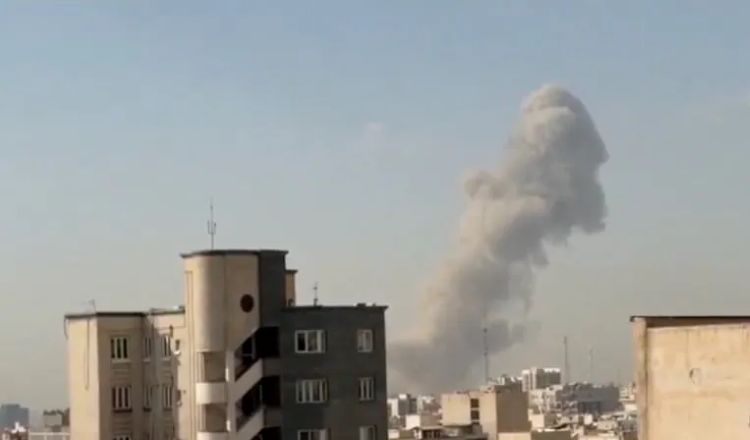
Despite the diplomatic breakthrough, tensions persist in the region. Fighting continued in southern Lebanon, where the Iran-backed Hezbollah claimed responsibility for attacks on Israeli military targets, while Israel reported fresh strikes against Hezbollah positions.
The agreement also includes provisions for the easing of US oil sanctions on Iran and outlines plans for a proposed $300 billion reconstruction fund to be supported by regional partners once a final nuclear agreement is reached.
However, uncertainty remains over the durability of the peace process, with both analysts and residents expressing concerns that hostilities could resume if negotiations fail to produce a lasting settlement.