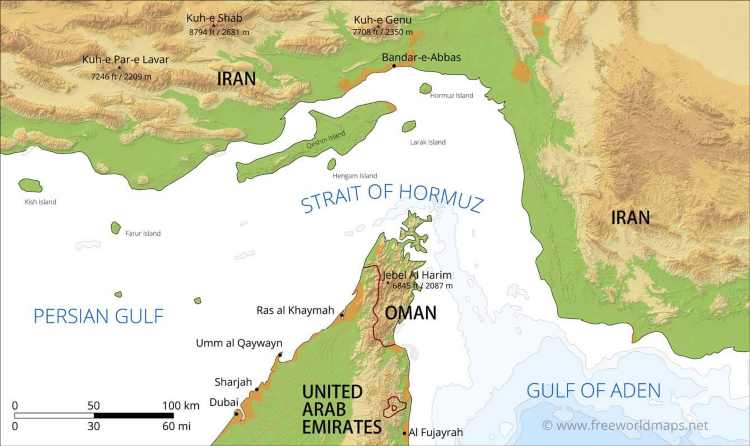
The United States (US) and Iran have announced a major agreement aimed at ending months of hostilities in the Middle East and reopening the strategic Strait of Hormuz, a vital global oil shipping route.
Both sides said the deal also covers the cessation of military operations across multiple fronts, including Lebanon, though key details of the broader arrangement remain unclear, particularly on Iran’s nuclear programme.
Donald Trump, the US president announced the development on social media, describing the agreement as “complete” and indicating that the Strait of Hormuz would reopen following the formal signing scheduled to take place in Switzerland.
“Ships of the world, start your engines. Let the oil flow!” Trump wrote.
Kazem Gharibabadi, Iran’s deputy foreign minister confirmed the agreement in televised remarks, stating that it marked an immediate end to hostilities between both countries, with further negotiations expected within two months toward a final settlement.
He said the talks would focus on achieving a long-term agreement following the initial truce framework.
Earlier tensions had escalated after Israeli strikes on Hezbollah-linked targets in Beirut, which briefly threatened to derail the diplomatic breakthrough before later progress was made.
Shehbaz Sharif, Pakistani prime minister also confirmed the deal, saying both parties had agreed to the “immediate and permanent termination of military operations on all fronts, including Lebanon,” while acknowledging the role of Qatar, Saudi Arabia and Turkey in mediation efforts.
Despite the announcement, details of the agreement remain limited. Reports from Iranian media suggest provisions may include the release of frozen Iranian assets and phased financial concessions during the negotiation period.
However, US authorities have not officially confirmed the reported financial terms, particularly those relating to Iran’s nuclear programme and uranium stockpile.
The agreement has already drawn international reactions, with the United Nations describing it as a “critical step” toward stability in the region. Several European countries also signalled readiness to support renewed diplomatic engagement.
Markets reacted positively to the development, with oil prices dropping and Asian stock indices recording gains amid expectations that the reopening of the Strait of Hormuz could ease global energy supply pressures.
The Strait, a key passage for global oil exports, has long been a flashpoint in regional tensions, with any disruption often triggering spikes in energy prices worldwide.