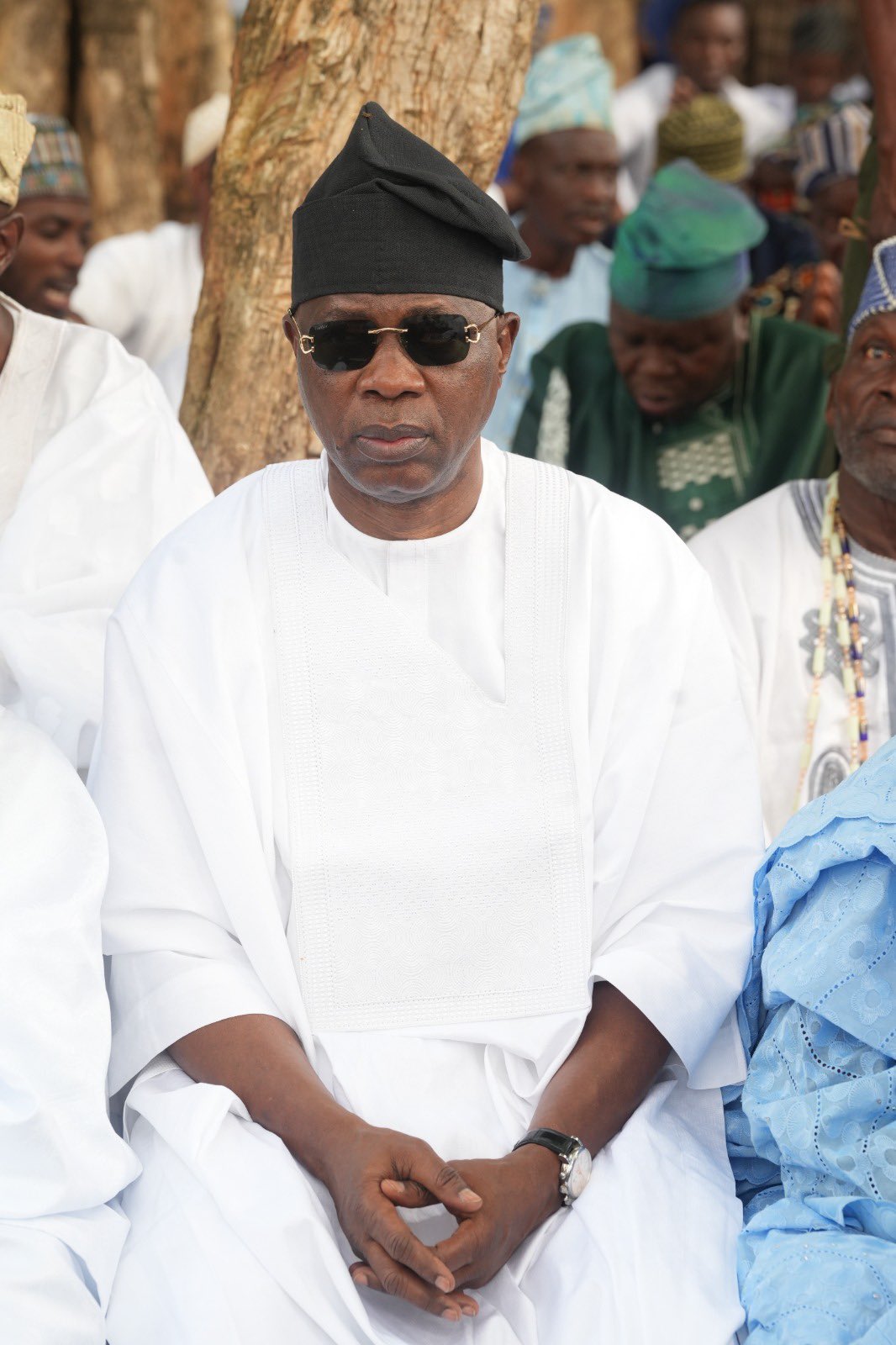
The National Chairman of the Allied Peoples Movement and Chairman of the Inter-Party Advisory Council, Yusuf Dantalle, has blamed vote buying for the steady erosion of Nigeria’s democratic values, warning that the practice continues to mortgage the country’s future.
Dantalle, who spoke on Monday during an interview on Frontline, a current affairs programme on Eagle 102.5 FM, Ilese-Ijebu, urged Nigerians to resist financial inducements during elections, describing the trend as a major driver of poor governance.
“Elect who you want. Reject a peanut or that evil called vote buying,” he said, adding, “If they give you and you are forced to take, take, but do what is right.”
The APM chairman, however, expressed sympathy for Bola Ahmed Tinubu, saying the President’s reform agenda appears well-intentioned but hampered by systemic inefficiencies and weak institutions.
“I sympathise with the president. He is doing his best to fix Nigeria, but Nigerians are suffering in a very terrible way today,” he said.
Dantalle defended the removal of fuel subsidy as a necessary step to curb corruption and free up resources for development, but lamented that the gains of the policy had yet to reflect in citizens’ living conditions.
“The idea was to reinvest that money into infrastructure and other key sectors, but unfortunately, that is not happening,” he noted.
He stressed that government policies should be assessed based on their impact on ordinary Nigerians rather than official economic indicators.
“Is it reflective of the life of the people? You and I know that it’s not,” he said.
The IPAC chairman attributed rising insecurity to worsening economic hardship, warning that social pressure was fuelling criminal activities across the country.
Drawing on sociological perspectives, he linked crimes such as cyber fraud and kidnapping to systemic failure, noting that when legitimate opportunities shrink, deviant alternatives thrive.
“That innovation is what you see in Yahoo, kidnapping and other social ills,” he said.
While acknowledging ongoing infrastructural projects, particularly in road construction, Dantalle maintained that such efforts remain insufficient in the face of widespread hardship.
“The average life of Nigerians is beyond the reach of the common man,” he added.
On his party’s policy direction, Dantalle dismissed calls for a simple reversal of current economic reforms, instead advocating a comprehensive restructuring of Nigeria’s governance and value system.
According to him, the APM’s agenda centres on a “national reset” that would address corruption, inequality, and institutional decay.
“We have to look at the entire value system — corruption tolerance, inequality before the law, and moral decay,” he said.
He criticised what he described as double standards in the justice system, where elites enjoy preferential treatment over ordinary citizens, and decried the normalisation of unexplained wealth in society.
Dantalle also raised concerns over declining national values and the growing desire among young Nigerians to migrate abroad, describing it as a troubling trend.
“It has become a pride that you secure a visa to go abroad. It is an aberration,” he said, urging citizens to embrace homegrown solutions.