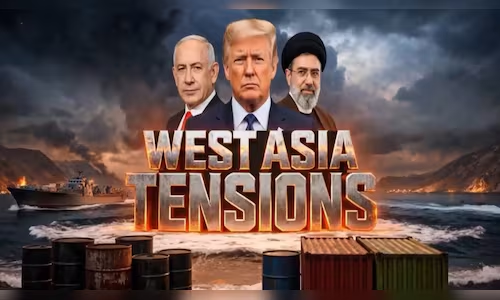
Srivastava said that despite fresh tensions and missile exchanges, neither Washington nor Tehran appears willing to return to full-scale conflict.
“It’s a tense situation, but as Secretary of State Marco Rubio said, the war is over,” Srivastava said. “I don’t think there’s an appetite for a renewal of hostilities on the part of the US, and certainly not on the part of Iran.”
His comments come amid renewed tensions in the region following a major exchange between the US and Iran despite an earlier ceasefire understanding. Iran claimed it fired missiles towards Kuwait and Bahrain in retaliation for US strikes and said the attacks should “serve as a lesson” for Washington. Tehran also accused US forces of targeting a communications tower south of Qeshm Island and striking an Iranian oil tanker near the Strait of Hormuz.
Kuwait said the attack caused significant damage to Kuwait International Airport, injured 63 people and killed one Indian national, prompting authorities to suspend air traffic. The United States said its actions were in self-defence and claimed it intercepted missiles and drones targeting ships and Gulf nations.
Srivastava said the current “no-war, no-peace” situation is creating economic risks, particularly through continued disruption at Hormuz, one of the world’s most critical energy shipping routes.
According to Srivastava, the Strait of Hormuz handles roughly 20 million barrels per day of oil and petroleum product exports. Alternative routes through Saudi Arabia and the UAE have limited spare capacity and cannot fully offset any prolonged disruption.
He said that while Saudi Arabia’s east-west pipeline and the UAE’s Fujairah route provide some relief, they can carry only a fraction of the volumes normally transported through Hormuz. As a result, the disruption could significantly affect energy supplies and place pressure on both Gulf economies and the wider global economy.
“So actually, you are looking at a disruption of 10 million barrels, or 50% of supplies,” Srivastava said, warning that such a situation would be difficult for the international community to sustain for long.
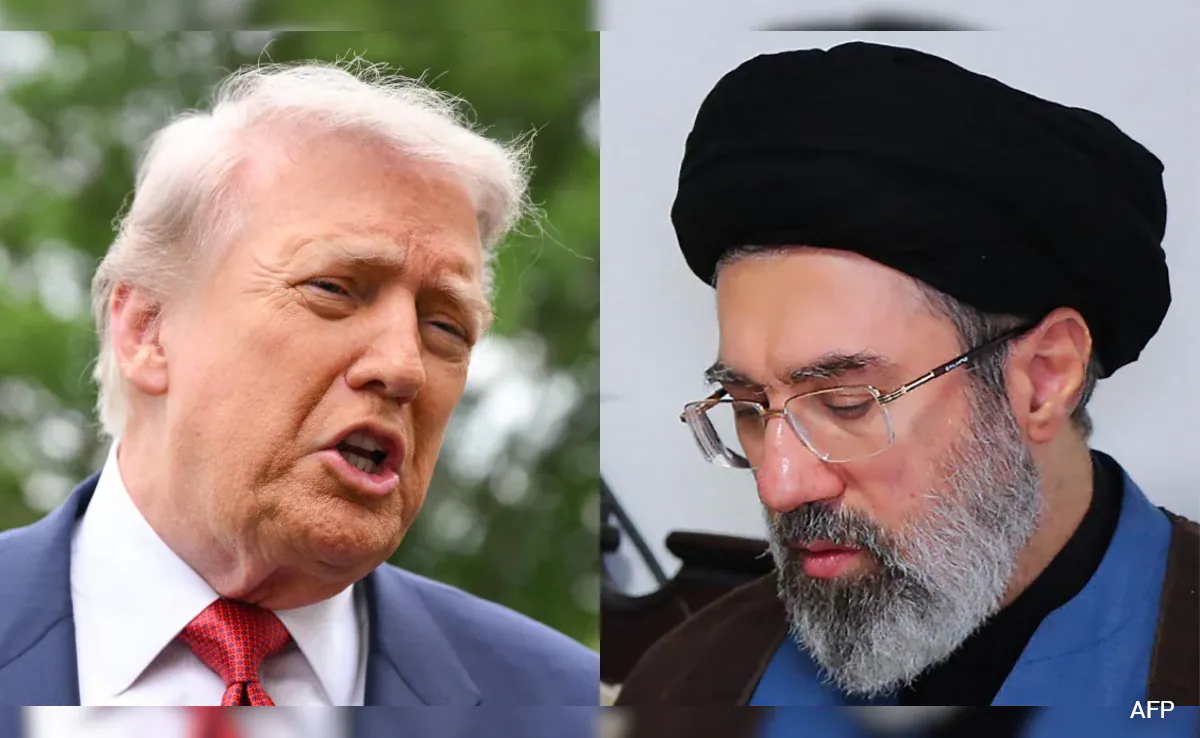
The uncertainty around regional security comes even as Washington insists diplomatic engagement with Tehran remains alive. US President Donald Trump rejected reports that negotiations had stalled, while Iranian media outlets also reported continuing diplomatic contacts. However, Iran’s top negotiator warned of further escalation if Israeli military operations in Lebanon continue.
Sanjeev Yadav, former diplomat and founder of Banyan Tree Global, said ongoing discussions involving the US, Israel and Lebanon indicate that diplomacy is still progressing despite periodic clashes.
He said an interim cessation of firing between Hezbollah and Israeli forces appeared to be holding, although skirmishes continued.
Also Read | OECD cuts global growth forecast, warns prolonged US-Iran war could trigger recessions
“While the backdrop of the ongoing conflict between Hezbollah and Israel continues, we’re actually seeing a lot of positive movement for the first time in a very long period between Israel and Lebanon,” Yadav said.
Yadav added that negotiations are likely to be prolonged because of longstanding regional disputes and political complexities inside Iran.
He dismissed suggestions that differences between Washington and Israel could derail diplomacy with Tehran.
“The US-Israeli partnership and trust are there and will continue to be there,” Yadav said, adding that negotiations with Iran remain “very nuanced, complicated discussions”.
US Secretary of State Marco Rubio recently told Congress that the war was over but maintained that sanctions on Iran would continue due to concerns over Tehran’s enriched uranium stockpile. He said sanctions relief could be considered if Iran agreed to the terms of a new nuclear agreement.