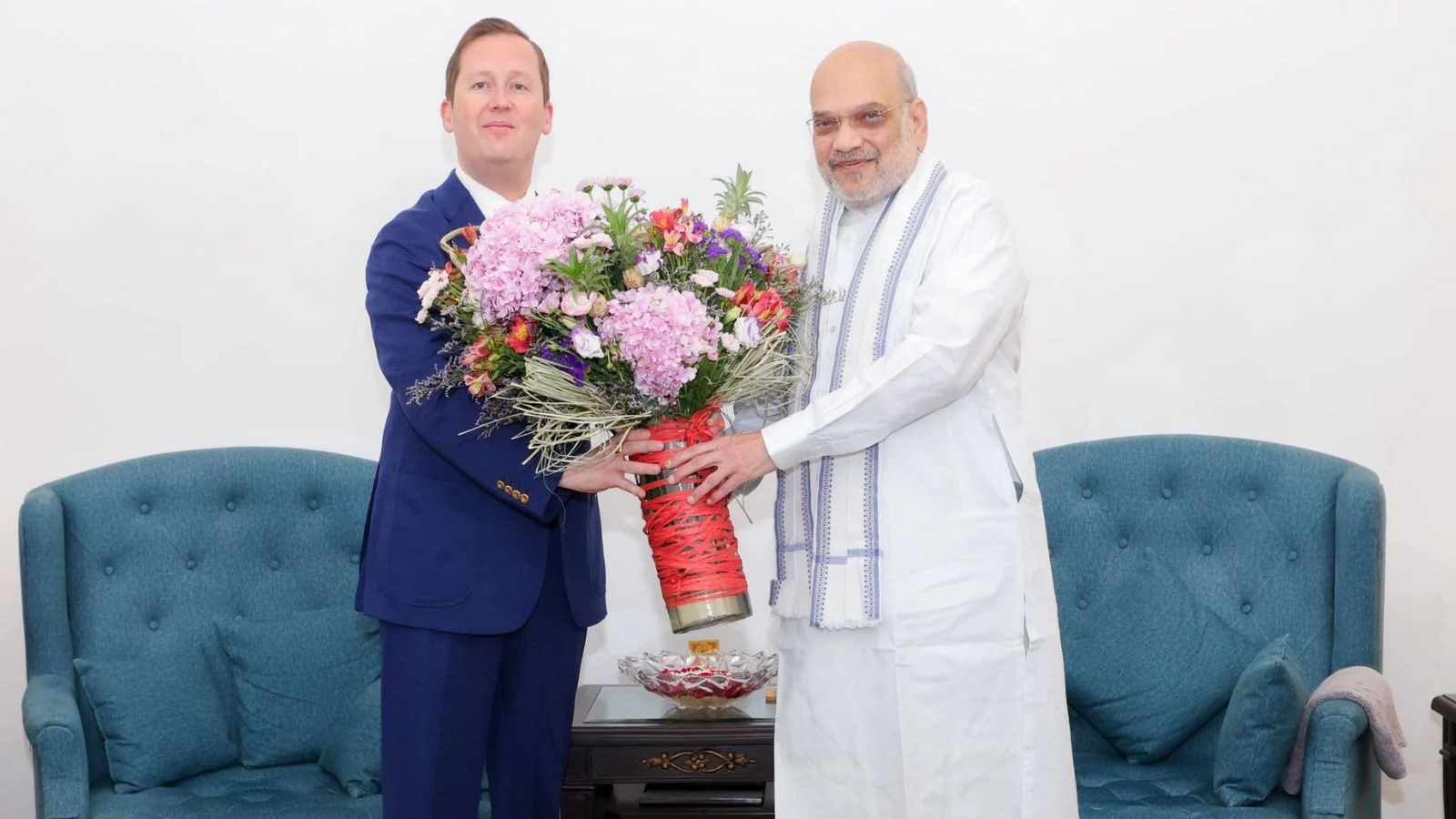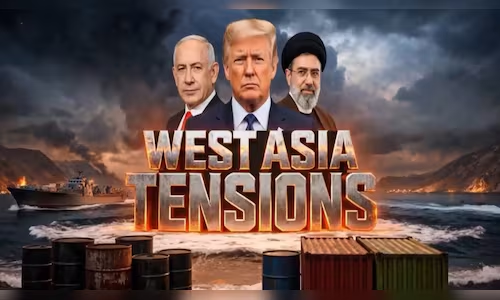
Fabian’s remarks came after Iran suspended talks with the United States over Israel’s expanding military operations in Lebanon, further complicating efforts to de-escalate tensions in the region.
Speaking to CNBC-TV18, Fabian said Trump was facing a difficult situation as Iran appeared capable of sustaining a prolonged conflict.
“President Trump finds himself in a dilemma. It is my view that he has no option but to seek a diplomatic resolution, because Iran can withstand a war for weeks and even months,” Fabian said.
He added that domestic political considerations in the US could also limit Trump’s options ahead of key national events and the upcoming midterm elections.
“Do you mean to say that on the 4th of July, when he is celebrating the 250th anniversary, Trump can receive body bags?” Fabian said.
Hours after Iran halted talks, Trump told CNBC he was unconcerned by Tehran’s decision. He also claimed that Israel and Hezbollah had agreed to de-escalate the conflict and said he had asked Israel to withdraw troops from Beirut.
The comments followed a reportedly tense phone call between Trump and Israeli Prime Minister Benjamin Netanyahu. According to Axios, Trump expressed anger over Israel’s military actions, warning that the offensive was damaging Israel’s international standing.
However, Netanyahu’s office later said Israel would continue its operations in Lebanon. Israeli strikes in southern Lebanon reportedly killed more than eight people, while Netanyahu ordered the military to expand operations further inside the country.
Dr Deep Pal, Director of Geopolitics and Policy at Koan Advisory Group, told CNBC-TV18 that Trump had been under pressure for some time as the conflict dragged on.
“The fact that President Trump has felt that he has been pushed against the wall has been apparent for quite a while,” Pal said.
He said the Trump administration had struggled to clearly define its objectives in the conflict and had repeatedly claimed Iranian capabilities had been weakened, assertions that were later challenged.
Pal said Iran continued to hold significant leverage through its control over shipping movement in the Strait of Hormuz and through its nuclear programme.
Pal added that Iran’s strategy was not necessarily about introducing tolls on shipping traffic through the Strait of Hormuz, but about demonstrating operational control over one of the world’s most important energy routes.
“The issue is Iran showing that it is in control of allowing ships in and out of the region,” he said.
He also said Tehran was seeking stronger guarantees that it would not face future attacks from Israel or the US.
“The primary thing they are trying to get out of this is some kind of assurance — an unbreakable assurance, if you please — that they will not be attacked,” Pal said.
Also Read | Exclusive: Jeffrey Sachs says US should go home from West Asia, says military option against Iran has failed
Fabian also questioned whether any future nuclear arrangement with Iran would ultimately resemble the 2015 nuclear deal signed under former US President Barack Obama.
“Whatever deal Trump wants will look very much like the 2015 deal. So why did he walk out of it?” Fabian said.
Meanwhile, International Atomic Energy Agency chief Rafael Grossi said any future nuclear agreement with Iran would likely differ significantly from earlier arrangements because of Tehran’s advances in nuclear technology and expertise.