4 min readJun 25, 2026 04:08 PM IST
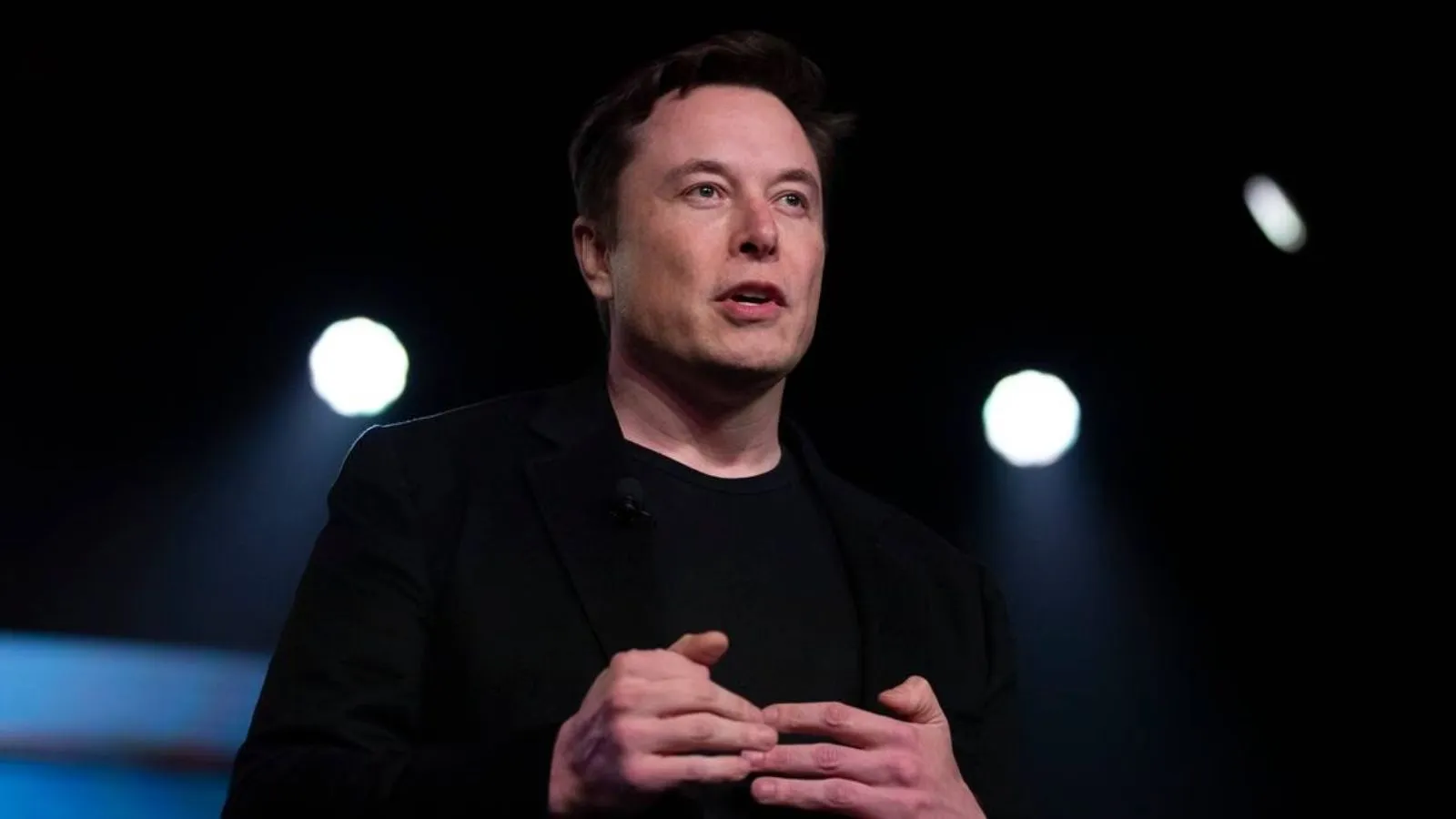
Elon Musk’s reign as the world’s first trillionaire has ended less than two weeks after he crossed the historic milestone, as a sharp sell-off in SpaceX and Tesla erased hundreds of billions of dollars from his paper wealth.
How Musk became the world’s first trillionaire
Musk reached trillionaire status on Friday, June 12, following SpaceX’s historic initial public offering. SpaceX shares were priced at $135 and opened near $150 on debut. At that price, the listing valued SpaceX at more than $1.77 trillion, with Musk owning about 42 per cent of the company — a stake that, combined with his Tesla holdings, pushed his net worth past the trillion-dollar mark for the first time.
The rocket, satellite, and AI company’s stock kept climbing in the days after listing. SpaceX shares rose as high as $225.64 on 16 June, lifting Musk’s net worth to about $1.32 trillion, with some estimates putting the peak as high as $1.45 trillion depending on how unvested holdings were counted.
Why Musk fell below $1 trillion
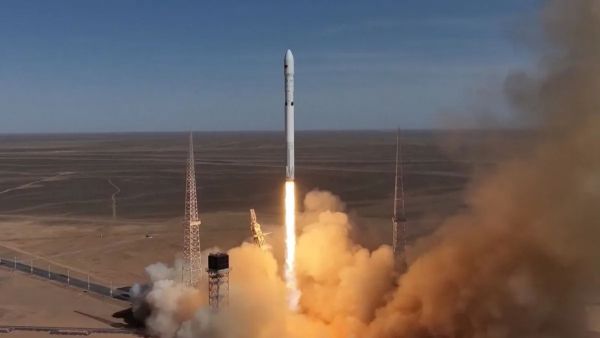 A SpaceX Falcon rocket launches during a mission. Shares of SpaceX have fallen sharply from their post-IPO highs, contributing to a decline in Elon Musk’s net worth and ending his brief stint as the world’s first trillionaire. (CCTV Photo)
That run ended this week. SpaceX shares fell more than 30 per cent from their June peak during a broader tech sell-off, and on June 22, the stock dropped 16 per cent in a single day, wiping about $240 billion from Musk’s fortune. Tesla shares then slid nearly 6 per cent the following day, compounding the damage. Musk owns about 12 per cent of Tesla’s outstanding shares.
Analysts have pointed to broader concerns about an AI spending bubble and the prospect of higher interest rates as key drivers of the tech sell-off, rather than anything specific to SpaceX’s own performance. Scrutiny of SpaceX’s valuation has intensified, too: Regulatory filings ahead of the IPO disclosed the company ran a $4.9 billion deficit in 2025, with its AI division alone burning through $12.7 billion in capital spending. Investors are also watching the upcoming lock-up expiry, the date when early investors and employees become free to sell their shares, as a test of how much confidence the market really has in the stock.
Can Musk become a trillionaire again?
The Bloomberg Billionaires Index — updated daily at 17:30 in New York (22:30 BST) — valued Musk’s fortune at $957 billion on Tuesday, down from $1.11 trillion less than 14 days earlier. By Wednesday, that figure had eased further to $946 billion. Forbes calculated a slightly higher figure of $970.2 billion as of Wednesday’s close, with the gap partly explained by differing treatment of unvested Tesla shares tied to Musk’s pay package.
Unlike traditional billionaires with diversified portfolios, Musk’s fortune is almost entirely tied to equity in two companies: SpaceX, which represents nearly 80 per cent of his total net worth, and Tesla. That concentration cuts both ways — a modest 6 per cent recovery in SpaceX stock would be enough to restore his 13-figure status, meaning Musk may simply become the world’s first recurring trillionaire.
Story continues below this ad
Despite the loss, Musk confidently remains the world’s richest person. As of Wednesday, Larry Page ranked second at $296 billion, followed by Sergey Brin at $275 billion, Jeff Bezos at $257 billion, and Michael Dell at $223 billion, according to the Bloomberg Billionaires Index.
(The story was written by Navya Roshan, an intern at The Indian Express)
Stay updated with the latest – Click here to follow us on Instagram