While US Defense Secretary Pete Hegseth claimed that “almost 90%” of the 400 injured US service members were only minorly injured and returned to duty in March,” wounded soldiers have since said that their injuries were more severe than their designations implied, CBS News reported on Wednesday.
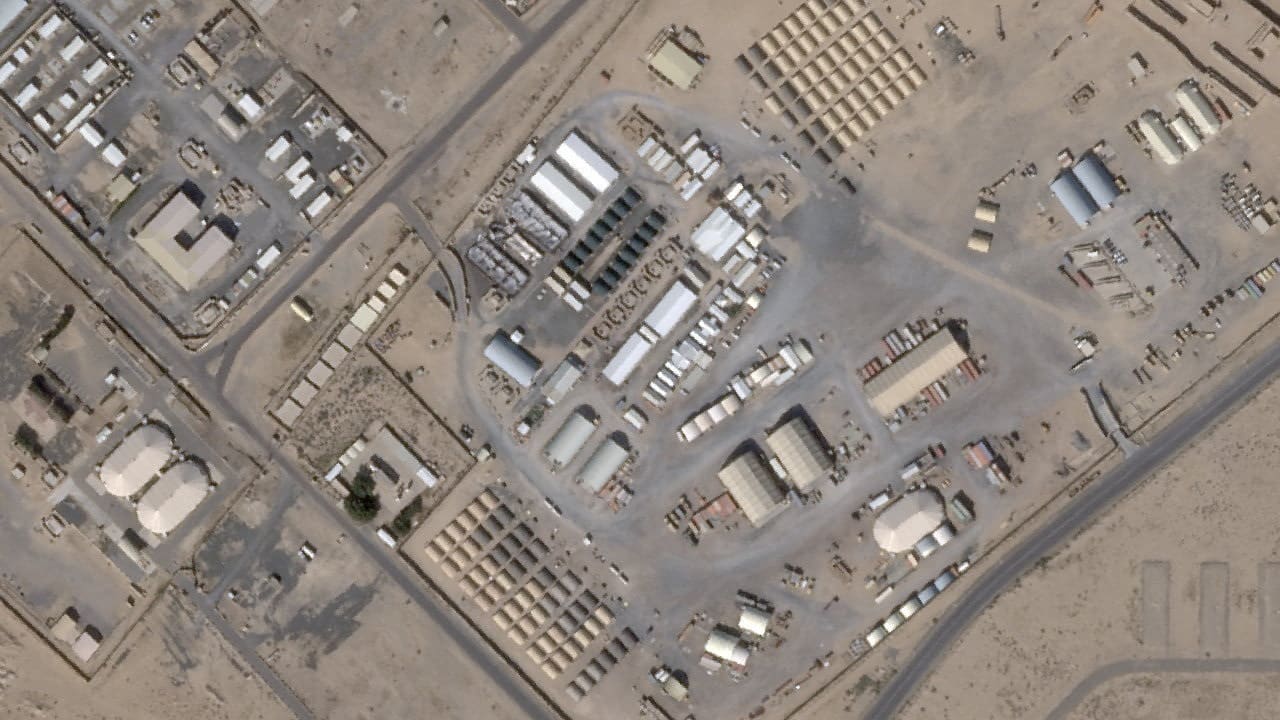
One such soldier, Chief Warrant Officer Rodney Bearman, was hit with shrapnel during an Iranian drone strike on a US base in Kuwait on March 1, and medical records later showed that he suffered a concussion, hearing and vision loss, and damage to his lungs, according to CBS.
Bearman had been classified as “not seriously injured.”
Sergeant First Class Cory Hicks was also one of the dozens hurt in the strike in Kuwait that killed six soldiers. He suffered severe shrapnel wounds and underwent emergency surgeries in Kuwait. A US Army official had told his wife that his injuries were “minor,” he told CBS.
CBS cited Hicks as saying that he “absolutely” believed that the Pentagon has tried to downplay the incident.
The US military has strongly disputed this claim, telling CBS that military designations, including “not seriously injured” and “combat casualty,” have specific definitions that have been misconstrued.
“The care and well-being of our soldiers is of the highest priority,” CBS cited an army spokesperson as writing. “Any assertion that the army seeks to downplay a soldier’s injuries is simply not true.”
A spokesperson explained that “seriously injured” and “very seriously injured” are used only for individuals at risk of dying from their wounds within 72 hours.
One survivor, Major Stephen Ramsbottom, said that he believed one of the fallen soldiers, Master Seargant Nicole Amor, could have survived if there had been more medical personnel and supplies at the post, according to CBS.
US intelligence warned as early as January that the post would be an Iranian target, CBS cited several sources as saying, and several soldiers began to ask leadership for more drone defense.
Hegseth described the drone as a “squirter” the day after the attack, explaining that it had squirted through the defenses of a protected unit.
CBS cited the army spokesperson as saying that the investigation into “the facts and circumstances of the attack” has been completed, but the findings will not be released until the next of kin have been briefed.