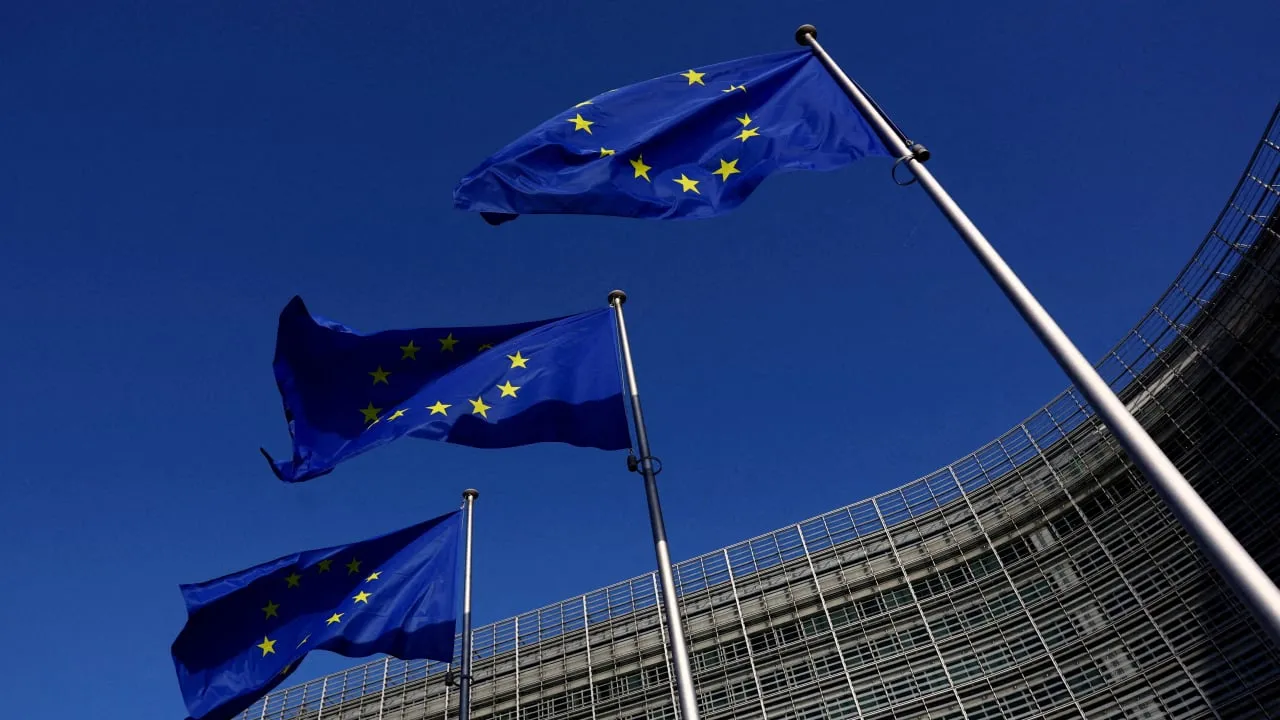
European Union foreign ministers will on Monday explore whether there is enough support for new measures to curb trade with Israeli settlements in the West Bank, according to diplomats and officials.
The discussion will be based on a confidential paper by the European Commission that floats three different options – an import licensing system, prohibitive tariffs, or a ban, a senior EU diplomat and a European official said.
The EU has long struggled to take major decisions on Middle East policy because of deep and longstanding divisions among its 27 member countries, particularly on issues related to Israel.
In May, the EU imposed sanctions on four entities and three individuals over what it described as serious and systematic human rights abuses in the West Bank.
In a July 2024 advisory opinion, the International Court of Justice claimed that Israeli settlements in the West Bank were illegal and that states should take steps to prevent trade or investment relations that help maintain the situation.
Israeli Foreign Minister Gideon Sa’ar last year described a push by some European governments to implement the advisory opinion as “shameful.”
UN bodies have previously alleged Israel’s settlements in the West Bank were illegal. Israel rejects this, viewing the territory as disputed and saying a Jewish presence has existed there for thousands of years.
“I think what you will see on Monday is a discussion on the options, and we will get a bit of a picture of where everybody is,” said the diplomat, speaking on condition of anonymity to discuss confidential internal deliberations.
Diplomats said they did not expect a formal decision on any particular measure on Monday.
Divisions over the issue also extend to how any decision could be taken.
Some diplomats say banning trade with the settlements would require a qualified majority – at least 15 EU states, representing 65% of the bloc’s population. But the Commission’s paper suggests it believes a ban could require unanimous support, a bar that would make a decision highly unlikely.
European Commission spokesperson Paula Pinho has confirmed that a paper has been shared with member countries but declined to comment on its contents.