Imo State, once a beacon of enterprise and relative peace in Nigeria’s South-East, has undergone a troubling transformation under the administration of Governor Hope Uzodimma.
What began as a controversial Supreme Court declaration installing him as governor has, according to many residents and observers, evolved into a situation where the state appears increasingly accommodating to external forces, particularly Fulani herdsmen, at the expense of indigenous security and autonomy.
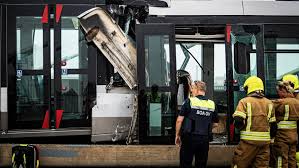
The most recent incident involved the burning of sections of the popular Eke Okigwe Market. While official accounts sometimes attribute such fires to accidents, local voices persistently link recurring violence in the Okigwe axis and other areas to activities of Fulani herdsmen. Reports of kidnappings, ransom demands, killings, and attacks on communities continue to surface, creating an atmosphere of fear.
Critics argue that the governor’s government has shown undue leniency toward these nomadic groups while indigenous populations face heavy-handed responses from security forces. Communities in areas like Oguta, Orlu, Orsu, and around Owerri have reported invasions, with allegations that ancestral lands are being encroached upon or allocated for grazing purposes. Similar concerns have been raised in other South-East states, with advocacy groups claiming hundreds of locations now host Fulani settlers.
Uzodimma’s administration points to infrastructure projects, road reconstructions, hospitals, and efforts to restore order as evidence of progress under its 3R Agenda (Reconstruction, Rehabilitation, Recovery). Supporters highlight reduced activities of unknown gunmen in some zones and developmental strides. However, critics counter that the governor’s loyalty appears tilted toward northern interests, describing him as “the hand of the North” in Igbo land. They allege that violence is sometimes sponsored or tolerated to undermine groups like IPOB/ESN, while Fulani elements receive protection.
Before Uzodimma’s tenure, Imo was not typically associated with the scale of farmer-herder clashes seen in the Middle Belt. Today, the narrative has shifted. Persistent kidnapping for ransom, market attacks, and community displacements have become distressingly common. Residents whisper of “first-class seats” given to Fulani settlers, including alleged access to sensitive areas and resources. Some reports even mention diplomatic engagements with Islamic nations raising eyebrows among a predominantly Christian population.
Advocacy organisations have accused South-East governors, including Uzodimma, of complacency or complicity in the face of what they term “jihadist Fulani” infiltration. While some claimes are contested, the ground reality, families mourning loved ones, markets razed, roads unsafe cannot be ignored.
The fear is no longer abstract. Many worry that if unchecked, this represents the thin end of a wedge: the gradual Islamisation of the East beginning in Imo State. Weapons and personnel, it is alleged, may already be prepositioned. The Igbo adage shared by the Ekere Ọrụ Eke rings apt: “Ndi Imo, ka anyị jiri nụ ehihie chụwa Ewu ojii maka na abalị o jikọta” let us chase the black goat while it is still daylight, before night falls.
Yet the lived experiences of many Imo indigenes tell a different story, one of bleeding communities and a governor accused of pampering foreigners while his people suffer.
This is not merely a security issue; it touches on identity, land, and survival. The people of Imo and the broader South-East must speak up without fear. Loyalty must be to the land and its indigenous owners, not external agendas. Hope Uzodimma and those aligned with him, critics say, need to be held accountable or shown the way out before the situation becomes irreversible.