The Health of Mother Earth Foundation (HOMEF) has rejected the Federal High Court’s dismissal of a landmark environmental case filed by the monarch of Ekpetiama Kingdom against Shell Petroleum Development Company of Nigeria (SPDC) and other defendants, describing the ruling as a setback for environmental justice in the Niger Delta.
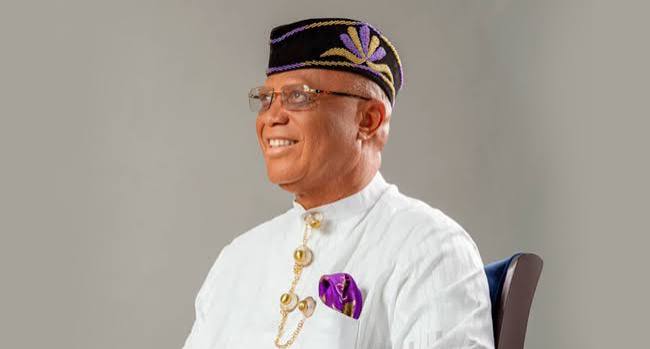
The suit, FHC/YNG/CS/8/2025, filed by HRM King Bubaraye Dakolo of Ekpetiama Kingdom, sought to hold Shell accountable for decades of alleged oil spills, gas flaring and environmental degradation across the Gbarain oil fields in Bayelsa State before the company’s divestment of its onshore assets to Renaissance African Energy Limited.
Delivering judgment on July 17, 2026, Justice Ayo Emmanuel of the Federal High Court in Yenagoa dismissed the case after upholding preliminary objections raised by the defendants, including Shell, the Attorney General of the Federation and the Nigeria Upstream Petroleum Regulatory Commission (NUPRC).
The court based its decision on four principal grounds: failure to comply with statutory conditions under the Petroleum Industry Act (PIA) 2021 and the Upstream Petroleum Remediation Funds Regulations 2022; the expiration of limitation periods under the Public Officers Protection Act and the Bayelsa State Limitation Law; the finding that the fundamental rights claims were secondary to tort claims; and the consequent sustaining of the defendants’ preliminary objections.
Reacting to the judgment, HOMEF described the decision as one founded entirely on procedural issues rather than the substance of the environmental damage allegedly suffered by the Ekpetiama people.
The organisation argued that where oil facilities remain operational, gas flaring continues and polluted land and waterways have not been cleaned up, the environmental injury should be regarded as continuing rather than historical.
According to HOMEF, treating decades of unresolved pollution as expired causes of action shields oil companies from accountability while denying justice to affected communities.
HOMEF Executive Director, Nnimmo Bassey, expressed concern that the court did not examine the merits of the environmental claims.
“Every one of these grounds is procedural; not a single finding goes to the merits of the environmental harm the Ekpetiama people have suffered for over six decades,” he said.
Bassey maintained that the Federal Government was rightly joined as a defendant because the Minister of Petroleum Resources, the NUPRC and the Attorney General allegedly approved Shell’s divestment without ensuring compliance with the environmental obligations contained in the Petroleum Industry Act.
HOMEF’s Legal Officer, Onome Etisioro, argued that Shell’s environmental responsibilities could not be extinguished by a procedural court ruling.
She said Nigerian courts urgently need to clarify what constitutes a continuing environmental wrong and whether limitation laws designed for conventional civil disputes should apply to environmental pollution that persists over decades.
“The Ekpetiama case was built to force those questions, but it was dispatched before the judiciary could answer them; the communities of the Niger Delta are the poorer for it,” Etisioro said.
She added that repeated dismissals of environmental cases on technical grounds continue to delay the development of jurisprudence capable of addressing what she described as the “slow, cumulative violence” of oil extraction.
HOMEF said the ruling reflects a broader pattern in Nigerian environmental litigation, where cases involving decades of documented ecological damage are frequently terminated on procedural grounds before courts consider the substantive issues.
The organisation therefore urged King Dakolo and his legal team to challenge the judgment at the appellate courts, arguing that the higher courts should determine whether the procedural barriers applied in the case advance justice or merely frustrate access to judicial remedies for oil-bearing communities.
HOMEF also commended lead counsel Chuks Uguru and the Ekpetiama legal team for their commitment to pursue the matter through every available legal channel.
It further called on environmental organisations, human rights groups and legal advocates across Nigeria and the Niger Delta to support any appeal arising from the case through legal expertise, advocacy and public engagement.
The case is regarded by environmental advocates as one of the most significant legal challenges arising from Shell’s exit from Nigeria’s onshore oil operations, with potentially far-reaching implications for corporate accountability, environmental remediation and the rights of host communities affected by decades of oil exploration.