By Mike Odeh James and Olikita Ekani
(Otukpo, Benue State) A bullet shattered ten-year-old Michael’s leg. His two brothers and aunt are dead. In Benue State, Nigeria, an American charity was the only help that came.
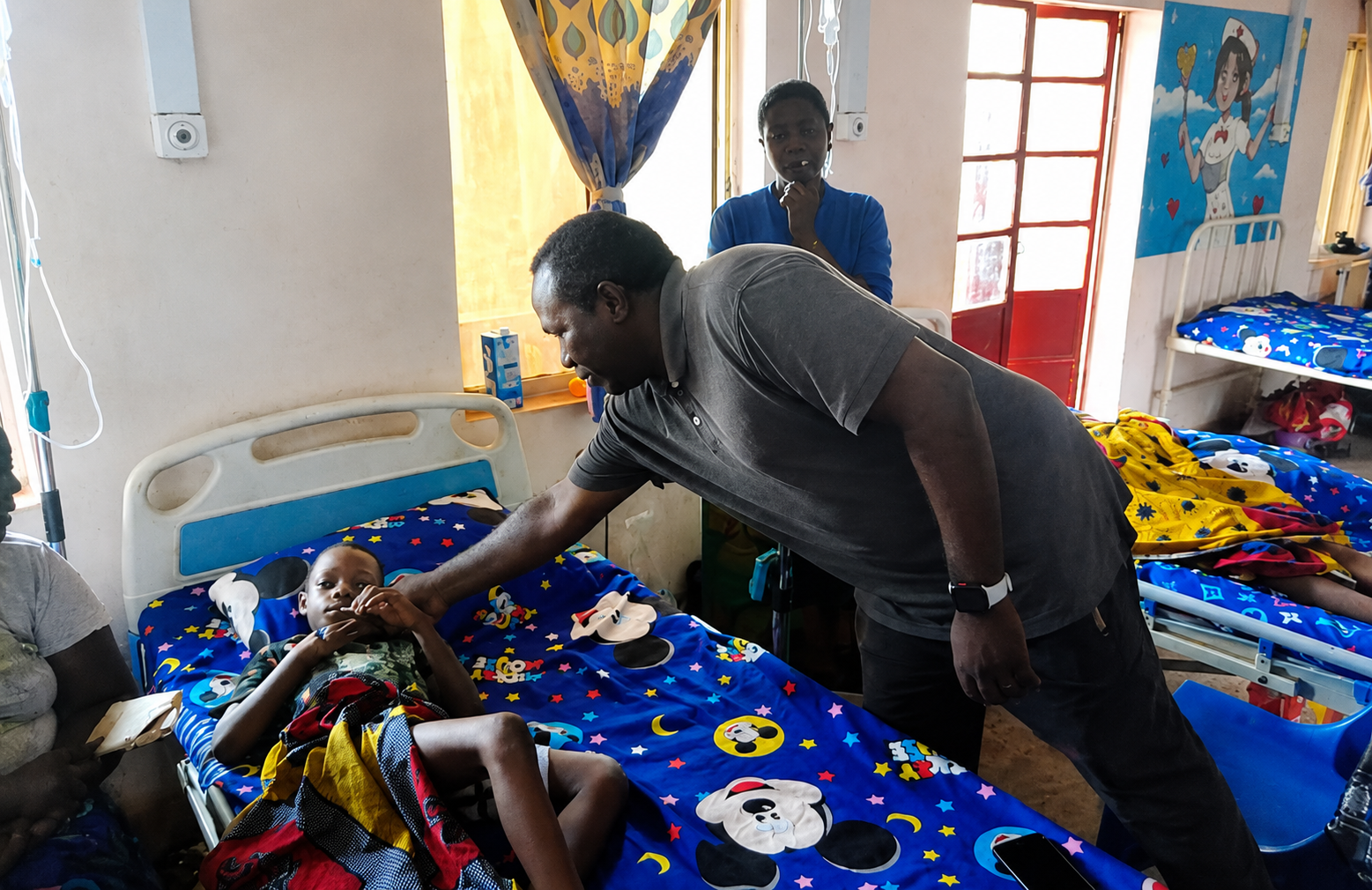
“Daddy, my leg!” The cry came again and again from a hospital bed at the Federal University of Health Sciences Teaching Hospital, Otukpo, in Benue State. Ten-year-old Michael could not stop screaming. A bullet fired by the Fulani Ethnic Militia (FEM) had shattered his right leg — and the same gunmen had already taken his two brothers and his aunt. He is a child learning grief and agony in the same hospital bed.
It was into this ward thick with the smell of antiseptic and the sound of weeping that a team from Equipping the Persecuted (ETP) , the American humanitarian organization founded by Judd Saul , walked days after a massacre. On Saul’s directive, they came to sit with the wounded, pray with the grieving, and deliver emergency support. What they witnessed was heartbreaking. No government delegation had come. No aid convoy. Only them.
“Two of my sons were killed that night. My elder sister was also killed. Now my surviving son is lying here in critical condition. I am devastated and don’t know where to turn,” Michael’s father told them, fighting back tears beside the bed of his last living son.
Two beds away lay a 90-year-old man shot in the arm, then slashed with a machete by attackers who showed no mercy even to the frail. He survived nine decades of life in Benue only to fight for it now. Nearby, a 57-year-old farmer drifted in and out of consciousness, his body carved by deep machete wounds. Ten victims in all. The youngest is seven years old.
A Night of Terror
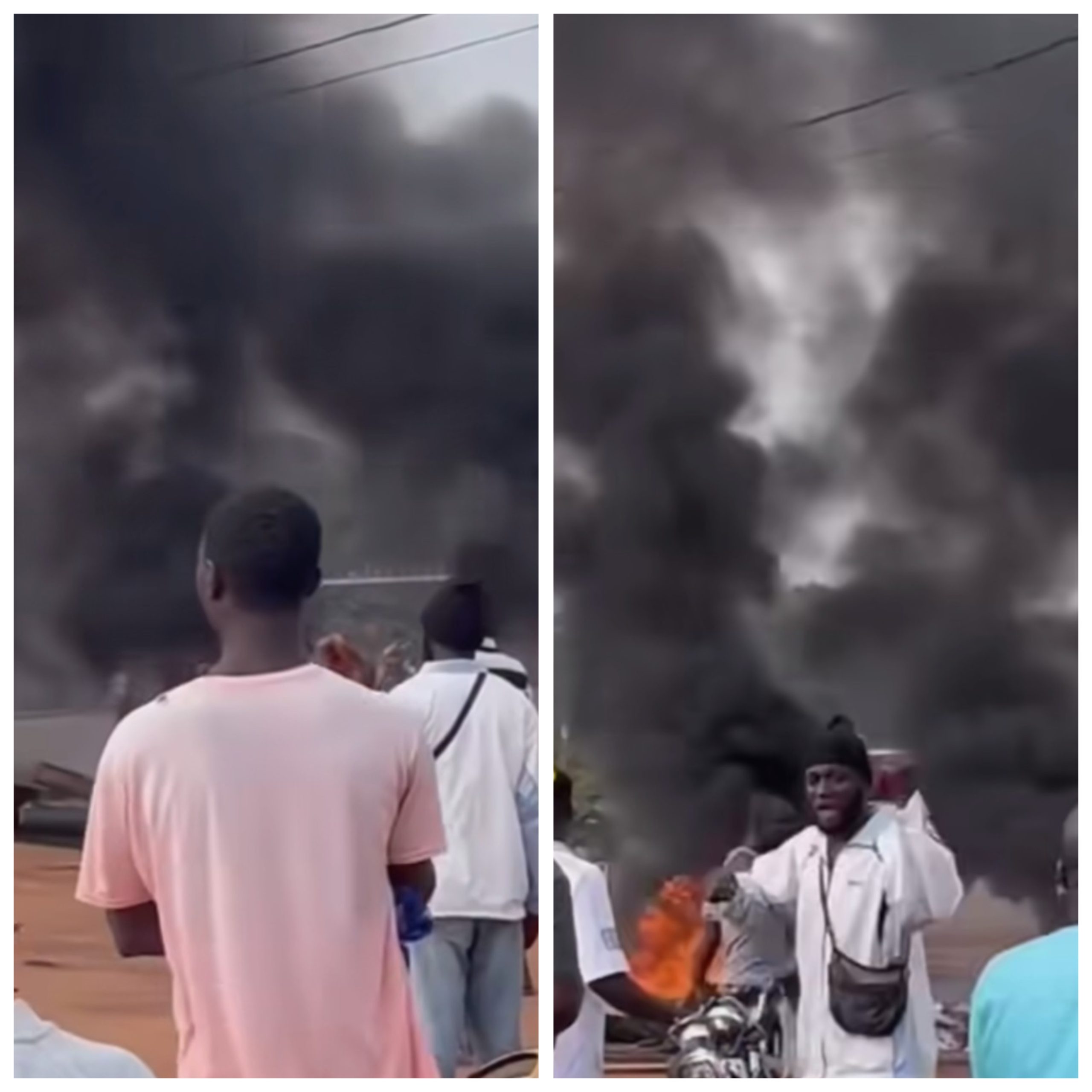
The Fulani Terrorists struck Otukpo-Nobi in the pre-dawn hours of Sunday, July 12, opening fire indiscriminately on families as they slept. The gunmen came shortly after the community had concluded burial rites. Mourners were cut down while still grieving their dead.
Police confirmed eight killed, including three children, though residents insisted the toll was 16, and Reuters reported at least 18 dead , citing residents and local officials. Grief turned to rage: women and youths barricaded the Makurdi–Otukpo and Enugu–Otukpo highways, demanding their government protect them.
Then the community simply emptied. Mothers carried children into the bush. Homes stood abandoned, meals left uneaten. Days later, gunmen struck Ondo community in the same county, killing at least one more person. The fear was not paranoia. It was grounded in a pattern.
When No One Else Came
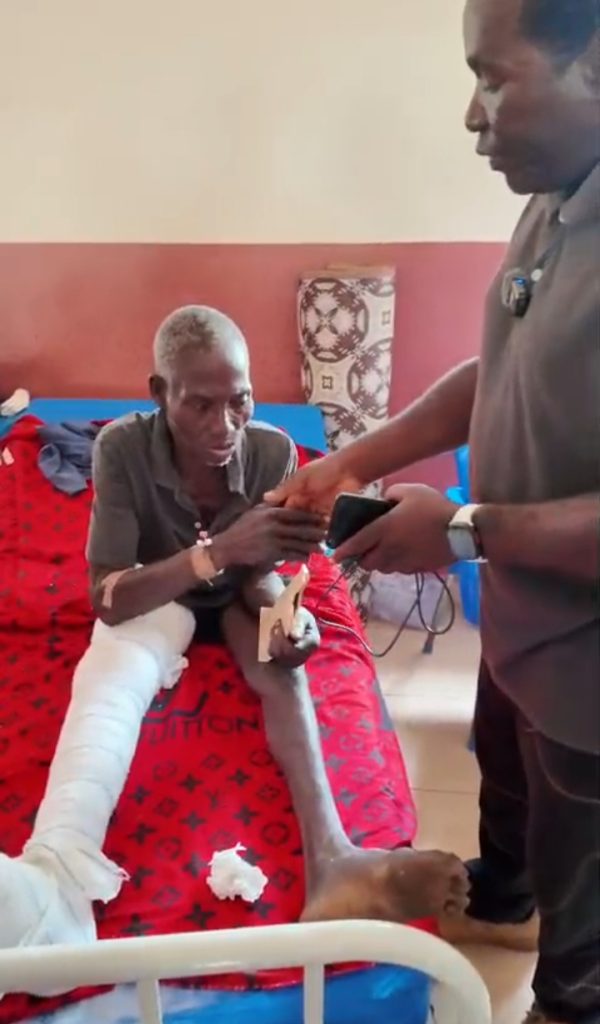
ETP came back. On Thursday, July 16, its officials placed cash assistance directly into bandaged hands — all ten hospitalized survivors, from the seven-year-old boy to the 90-year-old grandfather. The hospital’s Chief Medical Director called the gesture timely and deeply appreciated.
On July 18, ETP went further, driving into the deserted community itself with bags of rice for the families of the dead and wounded — food for people too afraid to return to their own farms.
“Because of this organization, no grieving family in this community went hungry this week,” community leader Alapa Elijah Omale said.
Washington Watching a Tragedy
For years, American human rights professionals bemoaned the fact that Nigerian suffering has gone unnoticed; but the carnage is no longer a distant tragedy. Benue’s blood-soaked farmland now sits at the center of U.S. policy toward Africa’s most populous nation.
In January 2026, representatives of Washington and Abuja held the first meeting of the US-Nigeria Working Group, pledging to work together to ensure that all Nigerians can live and practice their faith without fear of persecution or death — a commitment struck over Nigeria’s designation as a Country of Particular Concern for religious freedom violations.
Congress is putting money — and conditions — behind it. The House Appropriations Committee has called for withholding funds from Nigeria pending remediation of Fulani militia attacks, ordered the Secretary of State to certify whether Abuja is facilitating the safe return of displaced families, and directed humanitarian assistance toward persecuted religious minorities, including victims of genocide. A $235 million security pool is earmarked against Fulani militia violence, with $2 million more for atrocity prevention — and Nigeria must match every American dollar.
But policy moves at the speed of committees. Bullets move faster. Until Washington’s promises reach places like Otukpo-Nobi, it falls to ETP — funded by ordinary American donors — to make sure a boy with a shattered leg is not forgotten, and a grieving father has somewhere to turn.
In a ward in Benue, that difference is measured in rice, in cash pressed into bandaged hands, and in the simple fact that someone came.
Mike Odeh James and Ekani Olikita are conflict reporters for TruthNigeria.