A classified letter from Iran’s Red Crescent and its national crisis management organisation to First Vice President Mohammad Reza Aref projected between 1,500 and 3,000 possible deaths.
Also Read: India to send minister, governor to Ali Khamenei funeral
The scale of concern is tied to two previous occurrences. At least 56 people were killed and more than 200 injured during the 2020 funeral for IRGC commander Qasem Soleimani in Kerman, while Ruhollah Khomeini’s 1989 funeral also descended into chaos, leaving at least eight dead and about 11,000 injured.
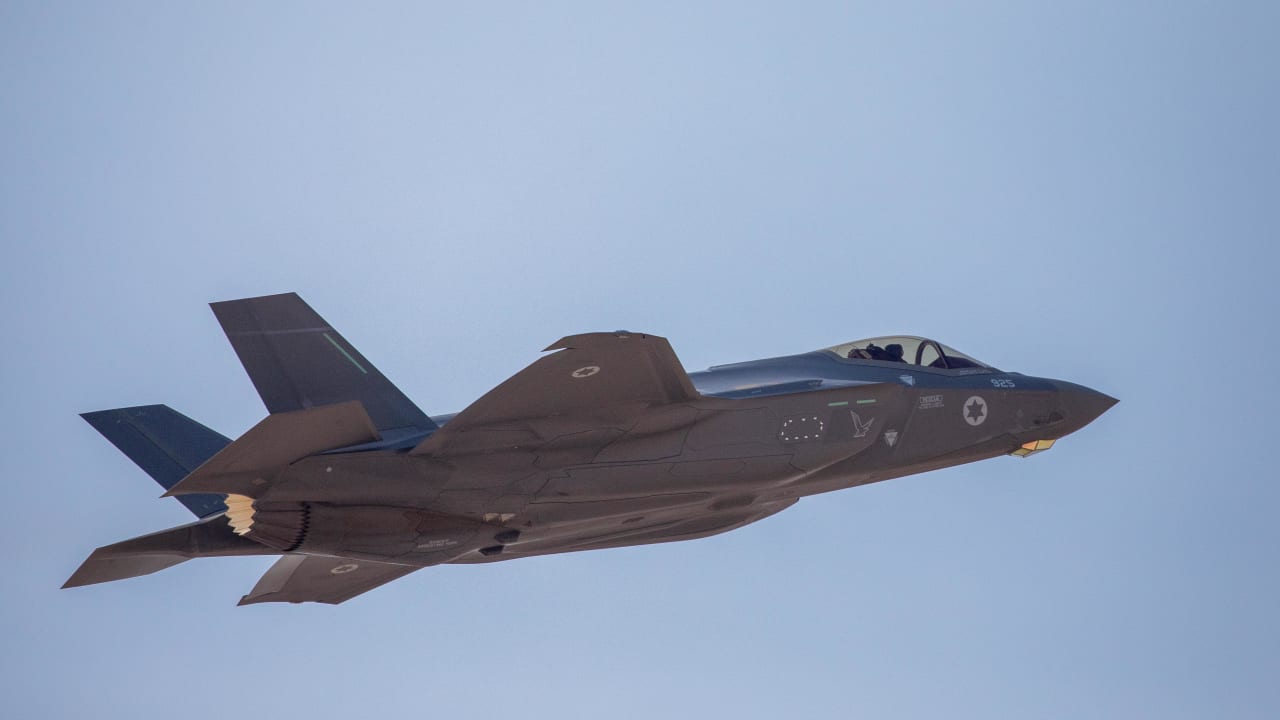
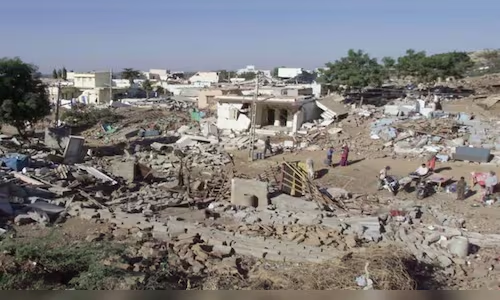
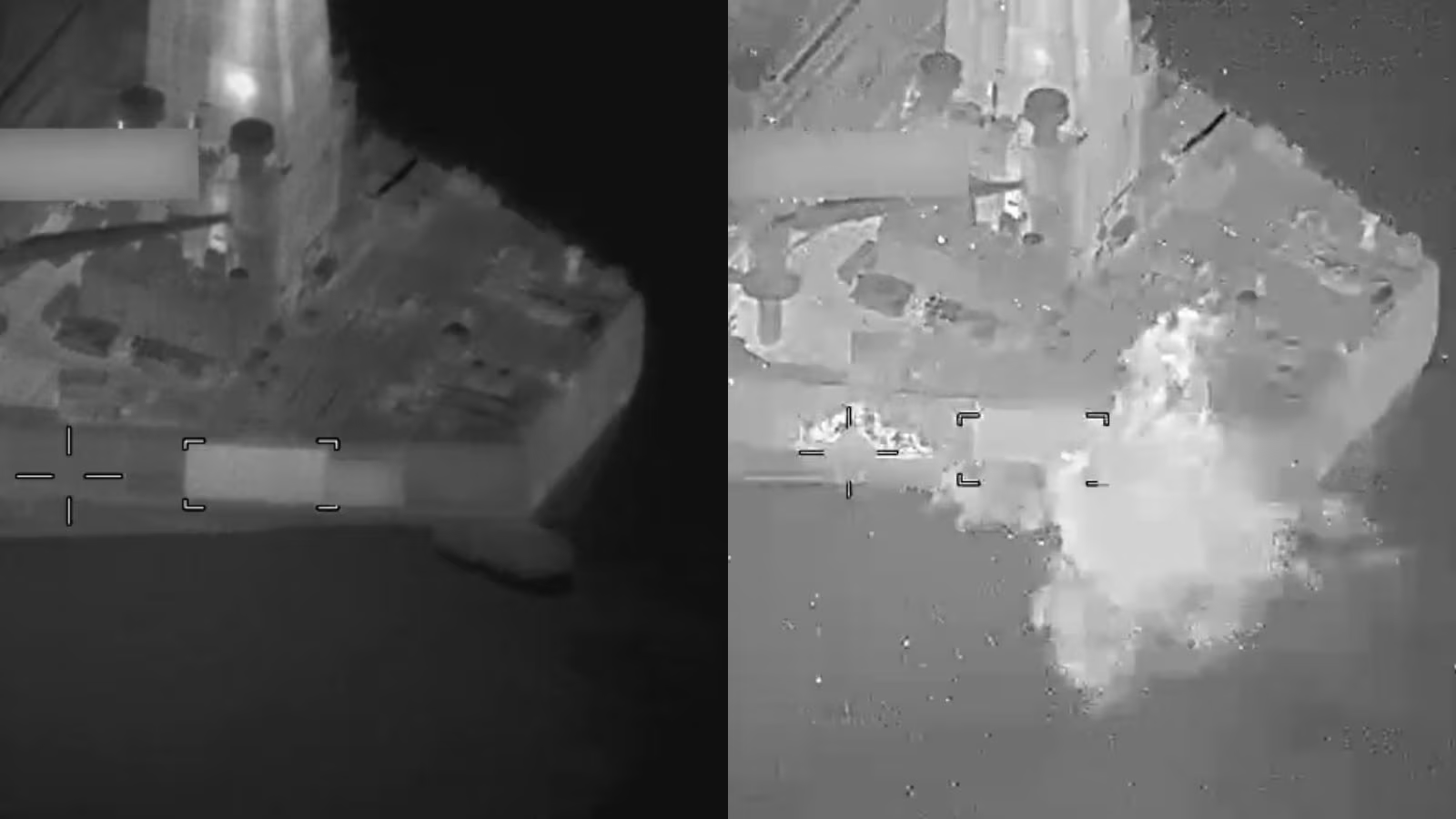
Khamenei, who was killed alongside family members in the opening strikes of the US-Israeli campaign on Tehran on February 28, is being buried more than four months after his death, a delay that Iranian officials have attributed to wartime conditions and security concerns, according to Iran International.
Also Read: US-Iran talks conclude in Doha, to resume after funeral; Strait of Hormuz, frozen funds dominate discussions
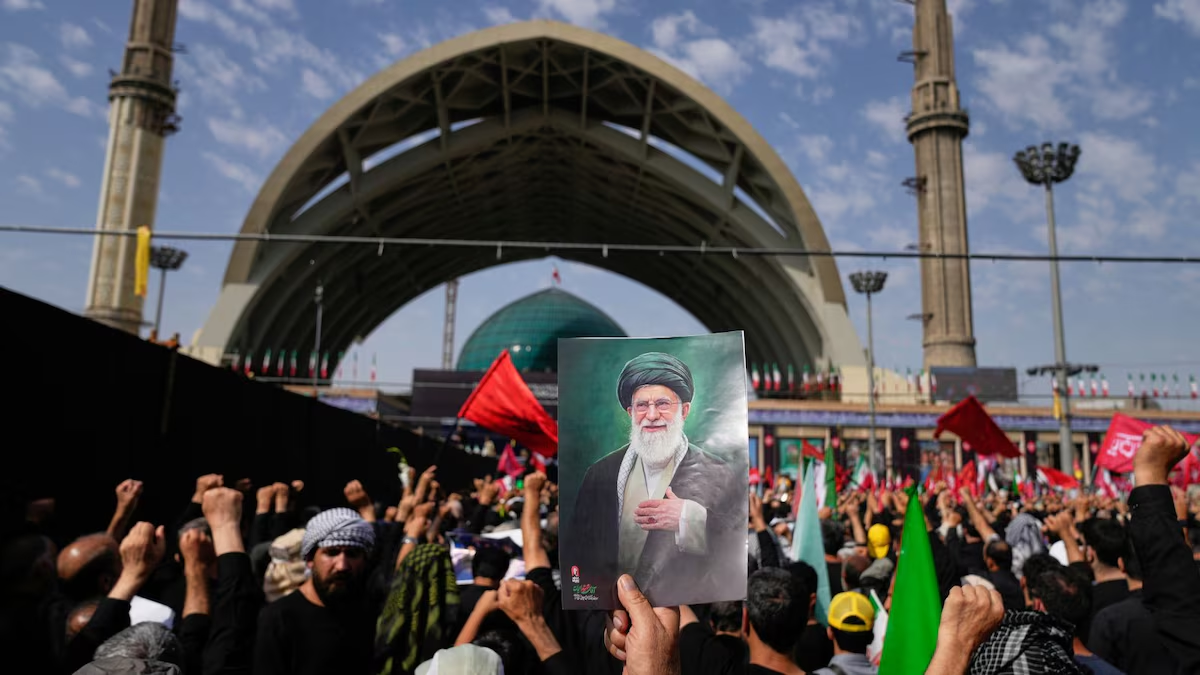
WELT reported that authorities were planning a massive security and logistical operation in Tehran, including movement restrictions, possible disruption to air travel, thousands of buses, temporary kitchens, and the use of schools and mosques to house participants.
Officials have estimated as much as 20 million to attend the funeral, though WELT noted this was difficult to verify and said it was a number Iranian authorities often used to project mass support for state ceremonies.
Tehran Municipality was reported to be co-ordinating towards much of the effort, deploying 11,000 buses and keeping metro and bus rapid transit lines running around the clock. With additional ceremonies planned in Najaf and Karbala in Iraq, WELT said the funeral could become one of the most expensive state burials in modern history.
Also Read: Next round of US-Iran talks may be held at Islamabad says report
According to Al Jazeera, the funeral will span across seven days. Commemorations began in Tehran on July 3, with public viewing of Khamenei’s coffin at the Grand Mosalla over the following two days. The procession will then move to Qom, then Najaf International Airport and the Iraqi cities of Najaf and Karbala, before the body is returned to Iran for burial at the Imam Reza shrine in Mashhad which is Khamenei’s birthplace on July 9.
WELT also described tension surrounding the ceremonies, reporting that hardline supporters of the Islamic Republic have used nightly gatherings to denounce the US-Iran memorandum and to threaten senior officials involved in the negotiations, including Foreign Minister Abbas Araghchi and Parliament Speaker Mohammad Bagher Ghalibaf. Some attendees have called for continued war to avenge Khamenei’s death.
Separately, Iran International reported that authorities have pressured businesses and state employees to help fund or staff the ceremonies, even as many citizens face inflation and falling living standards.
Khamenei’s son Mojtaba, appointed supreme leader in March, has not appeared in public since the strikes and is not expected to attend his father’s funeral. NBC News reported he sustained serious injuries, including burns and leg wounds requiring multiple operations.