Mary Nnah
The 9th Lagos Leather Fair closed recently with a clear roadmap for the continent’s leather industry: comply with global standards, adopt artificial intelligence, and build for export.
Over two days, LLF2026 positioned Lagos as the center of African leather, bringing together international buyers, policymakers, tech innovators and artisans to confront the barriers limiting growth.
The fair opened on Saturday June 27th with a focus on regulation. In a panel on exportation and compliance, legal experts and CITES auditors explained why African brands have been shut out of Western and Asian markets.
Their message was direct. Traceability, ethical sourcing and adherence to international environmental law are no longer optional. They are the entry requirement for premium global retail.
The conversation then turned to technology. The masterclass “From Workshop to World Markets” showed how data and AI are transforming Nigerian workshops. Industry leaders demonstrated how analytics can predict fashion trends, how AI can automate custom sizing for online buyers, and how smart manufacturing can cut waste and increase speed.
On day two, tech consultant Elijah Moses said the future of leather working is AI-assisted, noting that digital pattern making is already changing production. The implication was simple.
A workshop in Aba or Ibadan can now compete with global fast-fashion brands using the same tools.
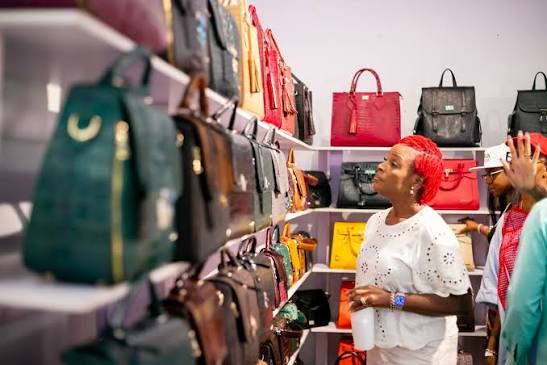
LLF2026 was not only about policy. The exhibition and shopping pavilion generated direct sales and new business links as designers met wholesale and international patrons.
At the Maker’s Bench and LLF Atelier, master craftsmen worked leather live, showing that technology will enhance rather than replace skill.
The Signature Piece Challenge also put the audience in charge, letting attendees vote for the most innovative design and giving emerging brands immediate consumer feedback.
The runway delivered the weekend’s high point. Collections from Mhose, Chrisbeks, Sole Inspiration, Zamany Accessories and convener brand FemiHandbags fused African heritage with contemporary luxury.
Bespoke footwear, structured handbags and bold silhouettes earned standing ovations and proved that “Made in Africa” now fits the global luxury conversation.
Sunday concluded with the LLF Awards. Sole Inspiration was named Brand of the Year. Mona Matthews won Women’s Footwear and January by Wande took Men’s Footwear.
Nichole by Haguanna was recognized for handbags while Elastan Signature emerged as Emerging Designer. The Leather Change Maker award went to Obiora Ononye and Obafemi Olayebi for their work building the ecosystem.
The Honorable Minister of Industry, Trade and Investment, Dr. Jumoke Oduwole, reaffirmed commitment to MSMEs and industrialization. UNDP and Ecobank also pledged financing and technical support to help brands scale.
Founder Femi Olayebi captured the fair’s purpose. Buildings do not build industries and machines alone do not create ecosystems, she said. The right blueprint does.
Since launching in 2017, Lagos Leather Fair has moved from highlighting gaps to closing them. With LLF2026, the focus on AI, compliance and craftsmanship sets a new path for African leather to compete globally.