Their Idea: Use Funds to Stand Up Local Defense Forces
By Luka Binniyat
(Kaduna) Opposition to the newly minted Northern Nigeria Security Trust Fund (NNSTF) intensified on Tuesday as the Middle Belt Forum (MBF) and the Plateau Peace and Unity of Purpose Forum separately called on governors from the Middle Belt to reject joining a regional security initiative and instead invest proposed contributions directly in protecting their own states.
The NNSTF, whose Board of Trustees was inaugurated as recently as July 8, 2026, was set up by the 19-member Northern States Governors’ Forum to mobilize resources to combat terrorism, banditry, kidnapping and other violent crimes across northern Nigeria.
However, the two organizations, who are majority Christian, argued that the states suffering the greatest burden of violence would derive greater benefit by retaining the funds for local security, reconstruction and humanitarian assistance.
Middle Belt Enduring Christian Genocide
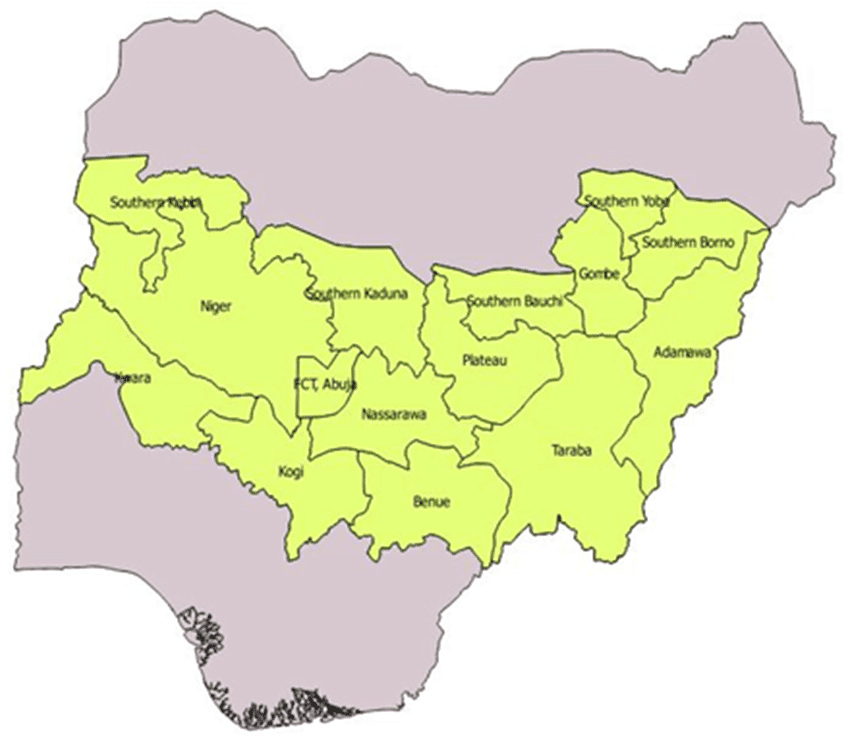
The Middle Belt is a vast region stretching across central Nigeria and covering roughly one-third of the country’s landmass. It comprises about 14 states and the Federal Capital Territory and is home to hundreds of indigenous ethnic nationalities. The region has a predominantly Christian population, alongside sizable Muslim and traditional religious communities. For more than a decade, Middle Belt leaders have argued that sustained attacks on their communities amount to a genocide against the Christian population – an allegation upheld by the Trump Administration.
Middle Belters are appalled that successive Nigerian governments describe the violence as arising from a complex mix of terrorism, banditry, communal conflicts and criminality.
Put Money In Direct Intervention
A statement signed by the National president of the MBF, Dr. Pogu Bitrus, strongly opposed the decision by northern governors to commit approximately ₦1 billion ($750,000 dollar) monthly from each state into the NNSTF.”
According to the Forum, “the Middle Belt has borne the greatest human and material losses from years of violence across northern Nigeria.”
“Thousands of innocent men, women and children have been killed, hundreds of communities destroyed, millions of hectares of farmland abandoned, and countless families forced into Internally Displaced Persons (IDP) camps,” the statement reads.
The MBF further argued that throughout years of bloodshed, the Northern States Governors’ Forum had rarely spoken with one voice to condemn repeated attacks on Middle Belt communities or shown sufficient solidarity with victims.
“Instead of contributing to a regional fund, we urge governors to deploy the money within their own states by strengthening community security structures, improving intelligence gathering, acquiring surveillance and communication equipment, enhancing emergency response capabilities, rebuilding destroyed communities, rehabilitating schools and hospitals, compensating victims, and permanently resettling displaced families,” the statement added.
Would ‘Repentant Terrorists’ Get Funded?
The MBF also expressed concern that funds raised under the NNSTF could eventually be diverted toward rehabilitating repentant terrorists even as victims of attacks starved unattended under mosquito nets in Displaced Persons’ Camps.
The organization further questioned the continued political relevance of the concept of “Northern Nigeria,” arguing that the former Northern Region ceased to exist following the abolition of Nigeria’s regional system in 1966.
“The continued participation of Middle Belt governors in the Northern States Governors’ Forum lacked popular support within the Middle Belt,” according to the statement by the Middle Belt Forum.
“We have plans to challenge the legality of our Governors’ continued membership of the Northern Governors Forum and the monthly state contributions to the trust fund,” the statement added.
The Forum also called on governors of the Middle Belt to establish their own regional security network to confront what it described as the continuing campaign of violence against their communities.
Meanwhile, the Plateau Peace and Unity of Purpose Forum issued a similar statement from Jos, urging Governor Caleb Manasseh Mutfwang not to associate Plateau State with the NNSTF.
The group said Plateau had endured decades of sustained attacks and argued that every available security resource should remain within the state.
12,200 Christians Killed Since 2001
Citing figures presented to Governor Mutfwang, the Nigerian Senate and other verified reports, the Forum said more than 12,200 people have now been killed in Plateau State since 2001 following recent attacks in Bokkos, Bassa and Mangu Local Government Areas.
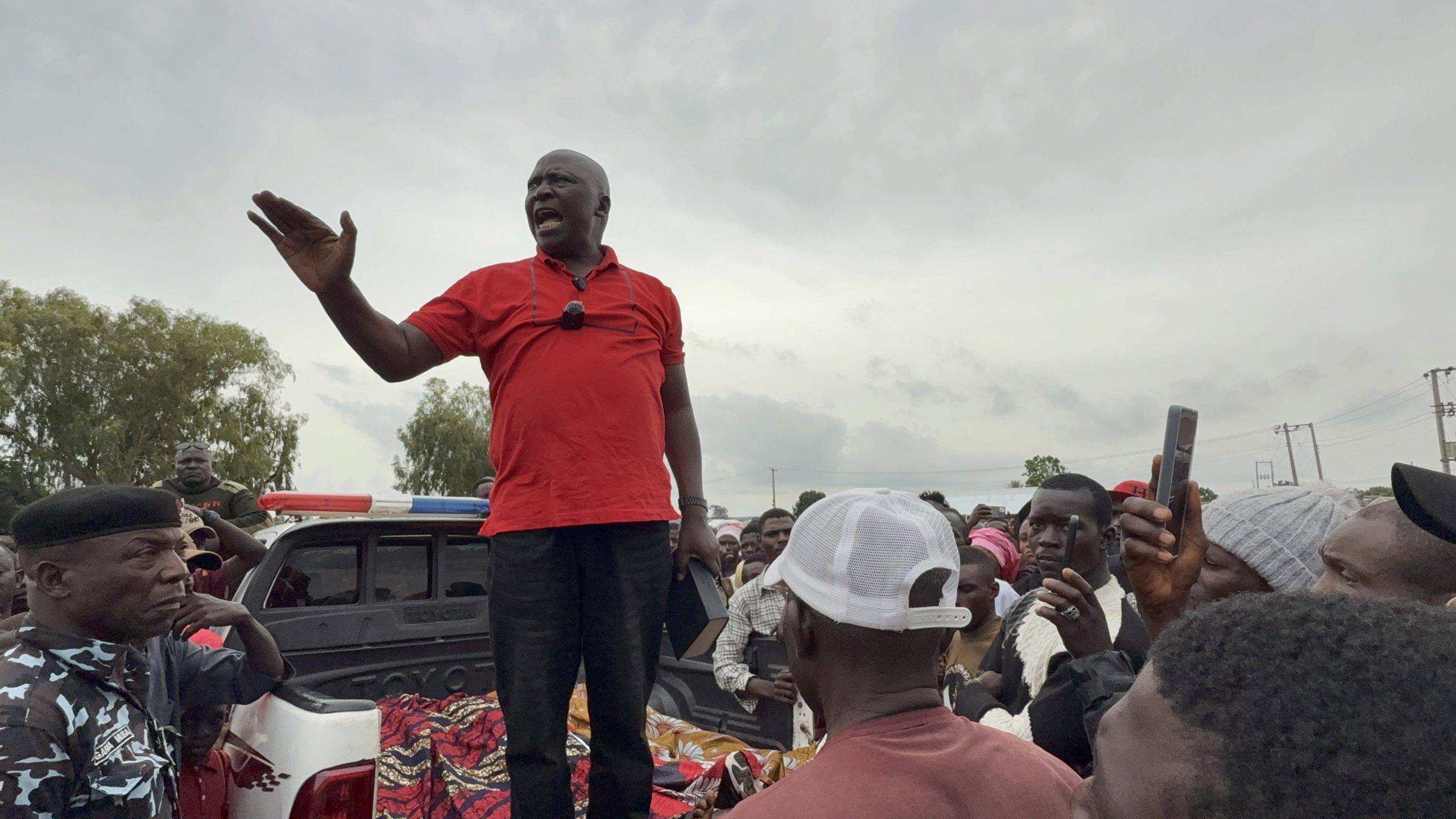
According to the group, coordinated attacks this week alone claimed nearly 200 lives in Bokkos, while another 51 people were reportedly killed in Bassa, 30 in Mangu and 12 in Chakfem Chiefdom.
Plateau Genocide: 25,000 Households, 420 Communities Atttacked
The Forum also said over 25,000 households have been displaced, at least 420 communities attacked across 13 local government areas, and more than 136 communities abandoned by their original inhabitants.
It maintained that Plateau’s priority should be securing vulnerable communities, rebuilding destroyed villages, supporting victims and permanently resettling displaced families rather than contributing scarce resources to a regional security pool.
Luka Binniyat writes for TruthNigeria from Kaduna.