• Says programmes will ensure economic recovery is felt in every Nigerian household as initiatives target farmers, schools, healthcare, IDPs
• Abubakar Bagudu says success of interventions hinges on accountability, effective coordination, transparency, prudent financial management
Deji Elumoye, James Emejo and Deborah Adekoya in Abuja
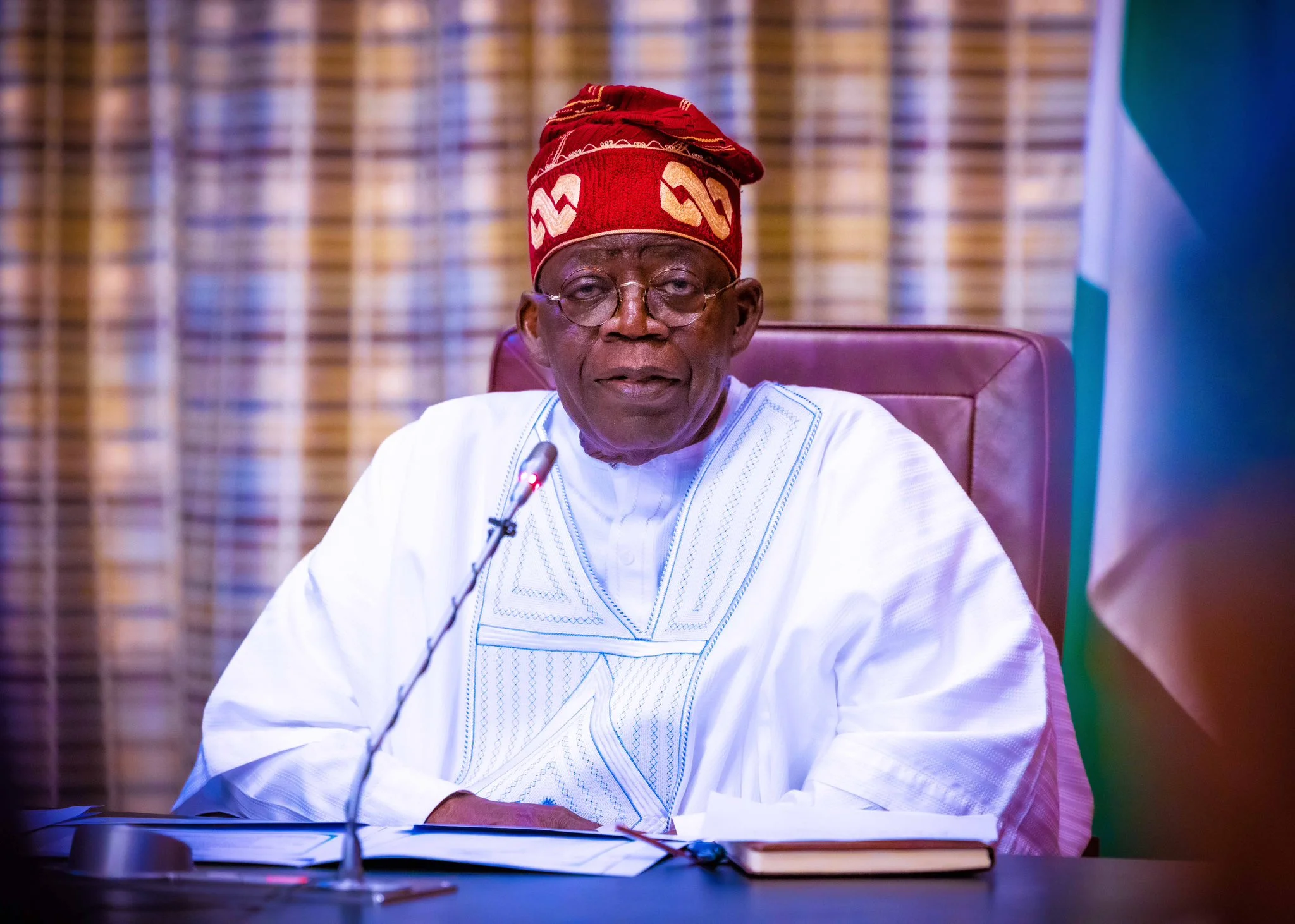
President Bola Tinubu, yesterday unveiled a $3.05 billion package of development programmes aimed at deepening poverty reduction, strengthening human capital and expanding economic opportunities across the country.
The initiatives supported by the World Bank aimed to ensure the gains of its economic reforms translate into tangible improvements in the lives of ordinary Nigerians.
Speaking at the launch in Abuja, the president said the programmes represented a coordinated national strategy to reduce poverty, strengthen resilience and build the human capital required to achieve the country’s ambition of becoming a $1 trillion economy by 2030.
He was represented the Minister of Finance and and Coordinating Minister of the Economy, Mr. Taiwo Oyedele.
The funding package comprises $1.25 billion Nigeria Community Action for Resilience and Economic Stimulus Additional Financing (NG-CARES AF), $300 million Solutions for Internally Displaced Persons and Host Communities (SOLID) Programme, and $1.5 billion Human Capital Opportunities for Prosperity and Equity (HOPE) Programme.
Tinubu described the initiatives as more than government programmes, saying they were “promises kept” under the Renewed Hope Agenda to protect vulnerable Nigerians, empower communities and deliver inclusive development.
According to the president, while macroeconomic reforms are beginning to yield positive results, their success must ultimately be measured by improvements in the welfare of citizens.
He said the administration’s objective was to ensure that economic recovery is reflected not only in national statistics but also in the daily lives of households across the country.
Tinubu said the Renewed Hope Development Plan (2026-2030) provides the roadmap for economic diversification, stronger subnational governments and human capital development, adding that the three flagship programmes would translate those objectives into practical interventions at the grassroots.
Highlighting the improving macroeconomic outlook, he said Nigeria recorded real GDP growth of 11.2 per cent last year alongside nearly 10 per cent growth in per capita income in dollar terms and is on course to sustain similar performance this year.
He also pointed to foreign reserves of over $50 billion and a sharp moderation in inflation from its 2024 peak, describing the developments as evidence that the country’s economic reforms are gaining traction.
According to him, the administration had already reached 15 million vulnerable households through expanded cash transfer programmes, lifting an estimated 7.5 million Nigerians out of poverty, while the newly unveiled initiatives are expected to build on that momentum.
The president explained that under the NG-CARES Additional Financing scheme, the federal government plans to scale up support for smallholder farmers, small and medium-sized enterprises and vulnerable communities to improve livelihoods, food security and resilience against economic shocks.
The SOLID programme will shift intervention for internally displaced persons beyond emergency humanitarian assistance by investing in livelihoods, community infrastructure, social services and long-term resilience for displaced populations and their host communities.
Also, the HOPE initiative, comprising HOPE-GOV, HOPE-PHC and HOPE-EDU, will channel investments into governance reforms, primary healthcare delivery and foundational education, while strengthening accountability and service delivery at state and local government levels.
Tinubu stressed that the three initiatives should not be viewed as standalone interventions but as complementary pillars of a single national strategy designed to reinforce one another.
He explained that investments in livelihoods, healthcare, education and social protection would collectively strengthen communities and improve service delivery across the country’s wards.
The president urged state governments, local authorities, development partners and implementing agencies to ensure the programmes deliver measurable outcomes, noting that their success would depend largely on effective implementation and collaboration across all levels of government.
Earlier, Minister of Budget and Economic Planning, Senator Abubakar Bagudu, described the programmes as flagship interventions carefully designed to address both longstanding and emerging development challenges confronting the country.
He said the initiatives represented another milestone in translating the Renewed Hope Agenda into concrete actions capable of directly improving the lives of poor and vulnerable Nigerians.
Bagudu noted that the programmes would strengthen social protection systems, expand economic opportunities, improve human capital outcomes and support vulnerable communities nationwide.
He recalled that the original NG-CARES programme, implemented between 2021 and 2025 with $750 million funding, reached about 17.6 million direct beneficiaries, including poor households, farmers, nano, micro and small enterprises as well as communities affected by the COVID-19 pandemic and other socio-economic shocks.
According to him, the additional financing will deepen livelihood support, enhance food security, strengthen community resilience and further reinforce Nigeria’s social protection framework.
Bagudu said the SOLID programme adopts a development-focused approach to addressing the challenges faced by internally displaced persons and host communities, with emphasis on restoring livelihoods, improving infrastructure, expanding access to social services and promoting social cohesion.
According to him, the HOPE scheme represents a strategic investment in human capital through reforms in governance, healthcare and education, describing people as the country’s most valuable asset.
Bagudu emphasised that the real strength of the interventions lies in their complementarity, noting that while NG-CARES builds resilience, SOLID restores dignity and stability for displaced populations, and HOPE develops the human capital required for sustained national prosperity.
He said the programmes collectively provided an integrated framework for tackling poverty and vulnerability while ensuring that economic reforms are complemented by targeted social investments capable of delivering lasting development outcomes.
The minister, however, warned that the success of the interventions would depend on effective coordination, transparency and prudent financial management.
He urged all implementing institutions and stakeholders to ensure that every dollar committed to the programmes is deployed responsibly, stressing that the resources are intended to improve the lives of the country’s poorest and most vulnerable citizens.
Bagudu added that the federal government expects the highest standards of accountability throughout implementation to guarantee measurable impact and value for public resources.