.NCTC, NCA strengthen joint fight against kidnapping
Linus Aleke in Abuja
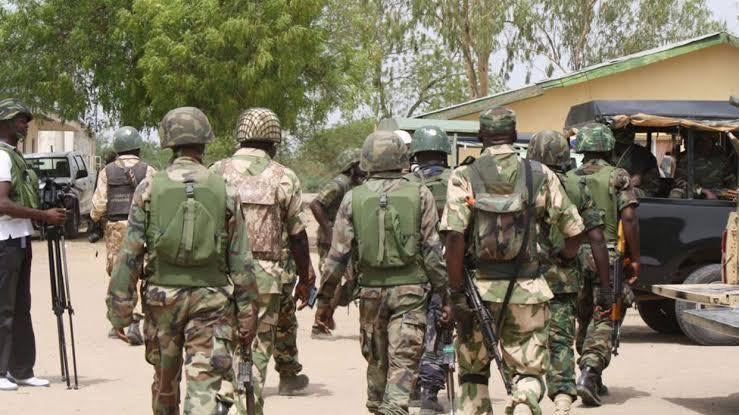
Troops of Sector 3, Joint Task Force North East, Operation Hadin Kai (OPHK), have intercepted a foreign national suspected of transporting a large consignment of illicit drugs, alcoholic beverages and other prohibited substances intended for terrorist elements operating within the Lake Chad Islands, in a major operation targeting the logistics networks that sustain insurgent activities.
This was as the National Counter Terrorism Centre (NCTC), Office of the National Security Adviser (ONSA), in collaboration with the United Kingdom National Crime Agency (UK-NCA), has expanded advanced intelligence-led multi-agency collaboration to strengthen Nigeria’s response to kidnapping through the second edition of the Multi-Agency Anti-Kidnap Fusion Cell (MAAKFC) State Expansion Programme.
The military said the operation, which followed credible intelligence, marked another significant breakthrough in the ongoing campaign to dismantle the supply chains supporting terrorist groups across the North East.
According to a statement by the Acting Military Information Officer, Joint Task Force North East, Operation Hadin Kai, Captain Mohammed Goni, the troops recorded another major operational success during an intensive search operation along the Maiduguri–Monguno axis.
The statement said the troops intercepted a suspicious vehicle travelling towards Kwatan Doron Baga in Kukawa Local Government Area of Borno State, where they arrested the suspect, Mrs Rachael Samuel, 48, a Chadian national from Kelo in Chari-Baguirmi Province, Republic of Chad.
Preliminary investigations indicated that the prohibited items were being transported to locations within the Lake Chad Islands, an area known to harbour terrorist elements.
Items recovered from the suspect included seven compressed bundles of suspected Cannabis sativa weighing approximately 30 kilogrammes, two 10-litre containers of hydro mercuric chloride, popularly known as “Suck and Die”, one carton containing 48 bottles of dry gin, and 61 bottles of herbal alcoholic beverages, all with an estimated street value running into millions of naira.
Other items recovered included one mobile phone, two Automated Teller Machine (ATM) cards, personal effects and cash.
The suspect is currently in military custody, while all recovered exhibits have been secured pending their handover to the appropriate law enforcement agency for further investigation and prosecution in accordance with extant laws.
The military said the interception underscored Operation Hadin Kai’s determination to deny terrorist groups access to the logistics and supplies that sustain their activities.
According to the statement, available intelligence has consistently shown that illicit drugs and intoxicants are frequently used by terrorist groups to stimulate fighters, suppress fear and facilitate violent operations. It added that by intercepting the consignment before it reached its destination, the troops had disrupted another critical component of the terrorists’ support network.
The Theatre Command commended the vigilance and professionalism of the troops and assured the public that operations against terrorists and their collaborators would continue relentlessly.
It also urged members of the public to continue providing timely and credible information to security agencies in support of ongoing efforts to restore lasting peace and security across the North East.
Meanwhile, speaking at the inauguration of the programme and stakeholders’ meeting in Abuja, the National Security Adviser (NSA), Mallam Nuhu Ribadu, reaffirmed the federal government’s commitment to strengthening intelligence-led collaboration in the fight against kidnapping and organised crime across the country.
Represented by the National Coordinator of the National Counter Terrorism Centre, Major General Adamu Laka, the NSA said kidnapping remains one of Nigeria’s most pressing security challenges with criminal groups increasingly deploying sophisticated tactics, exploiting technology and operating across multiple jurisdictions.
Major General Laka, whose address was delivered by the Director of Intelligence, Brigadier General Peter Gbor, stressed that tackling the evolving threat requires sustained inter-agency collaboration, timely intelligence-sharing and coordinated operational responses.
He explained that the establishment of the Multi-Agency Anti-Kidnap Fusion Cell (MAAKFC) has significantly enhanced intelligence integration, operational coordination, geospatial analysis and information-sharing among security agencies, leading to the disruption of kidnapping networks, successful rescue operations and stronger investigative capabilities.
According to a statement by the Head of Strategic Communication at the National Counter Terrorism Centre, Office of the National Security Adviser (NCTC-ONSA), Abu Michael, the event brought together representatives of security, intelligence and law enforcement agencies, relevant Ministries, Departments and Agencies (MDAs), as well as international partners, including the British High Commission.
The programme, supported by the United Kingdom National Crime Agency (UK-NCA), was organised to review progress, strengthen operational coordination and enhance Nigeria’s national response to kidnapping.
Ribadu noted that although significant progress has been made, sustained collaboration remains essential to closing operational gaps exploited by criminal elements.
He urged participants to use the stakeholders’ meeting to critically assess existing challenges, harmonise operational procedures, strengthen investigation and prosecution processes, and develop practical recommendations that will further enhance Nigeria’s capacity to prevent kidnapping and protect its citizens.
In his remarks, the NCA International Liaison Officer, Mr. Matt Mountain, reaffirmed the United Kingdom’s strong partnership with Nigeria in combating serious and organised crime. He commended Nigerian security agencies for their professionalism, courage and dedication in responding to kidnapping incidents despite increasingly complex operational challenges.
Mountain observed that effective responses to kidnapping begin at the state level, where initial intelligence gathering, operational decisions and engagement with victims’ families often take place.
He said strengthening the link between state commands and the Multi-Agency Anti-Kidnap Fusion Cell would facilitate faster intelligence-sharing, improve operational coordination, enhance support for victims’ families and increase the success of rescue operations while ensuring offenders are brought to justice.
He added that the United Kingdom remains committed to supporting Nigerian-led initiatives through practical cooperation, professional exchange and capacity building, while respecting Nigeria’s leadership in addressing its security challenges.
Earlier, in his welcome address, the Director of Intelligence highlighted that kidnapping has evolved into not only a major public safety concern but also a significant source of financing for terrorist and organised criminal groups.
He explained that the Multi-Agency Anti-Kidnap Fusion Cell, operationalised by the National Security Adviser on 19 December 2024, has become a critical platform for integrating intelligence, coordinating responses and supporting security agencies through advanced technical capabilities.
According to him, the second phase of the State Expansion Programme builds on the successes recorded during the inaugural rollout by strengthening communication channels between state operational commanders and the Fusion Cell.
He added that participants will undergo intensive Kidnap Management Training based on the United Nations Kidnap Manual, while also reviewing the Cell’s Standard Operating Procedures and Terms of Reference to enhance operational effectiveness nationwide.