Media professionals, civil society organisations and women leaders have called for deliberate actions to address the barriers limiting women’s participation in politics and leadership ahead of the 2027 general elections.
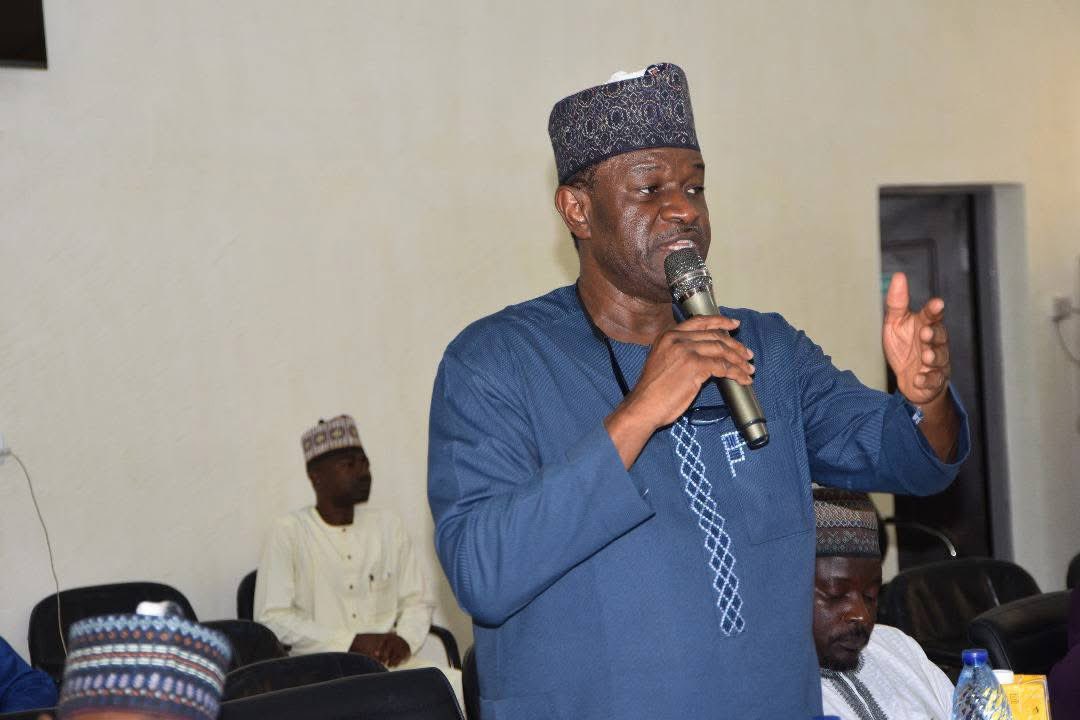
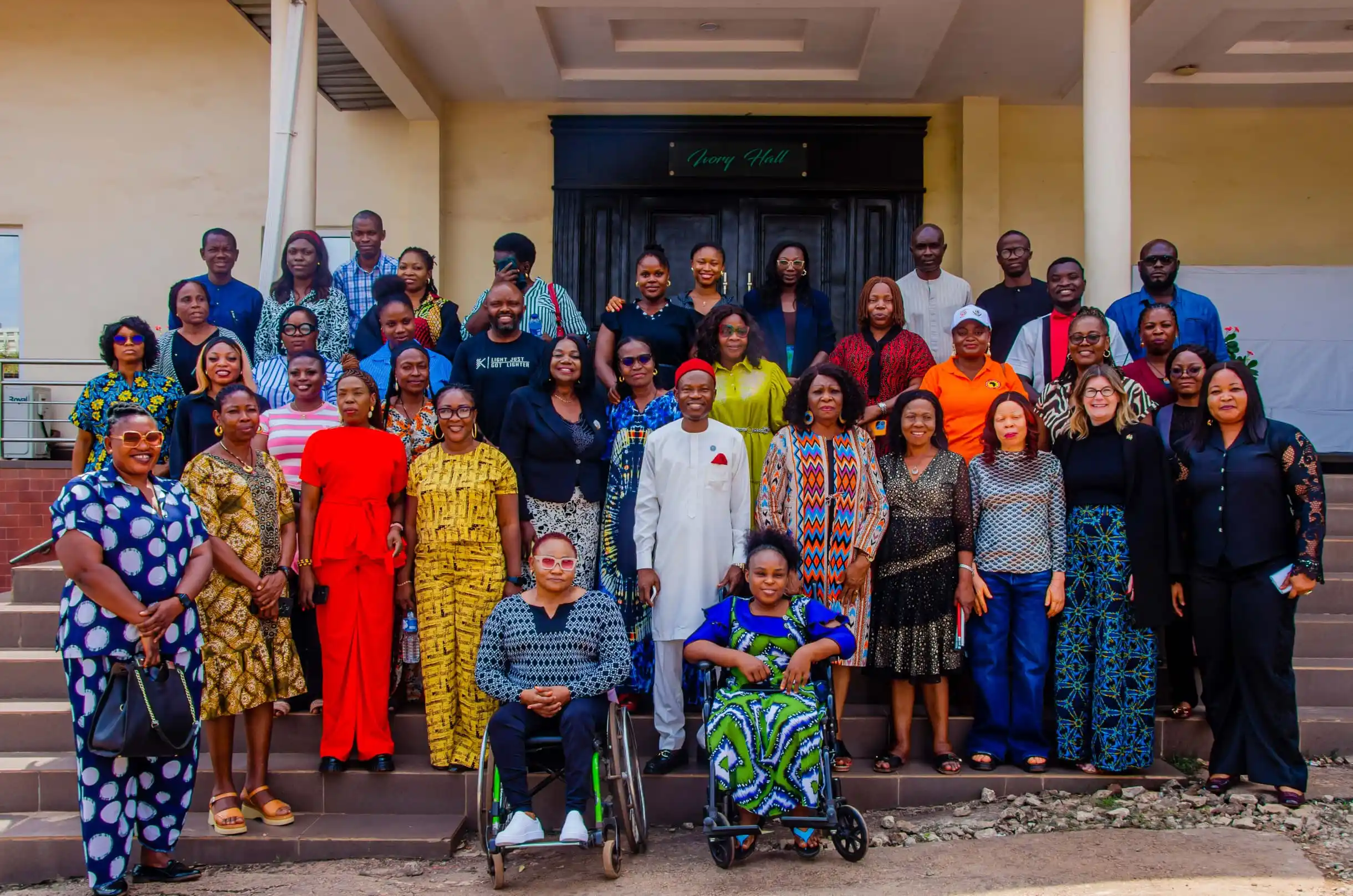
The stakeholders made the call at a Media and Civil Society Roundtable on Amplifying Women’s Voices in the Upcoming Nigeria General Elections, organised by Journalists for Human Rights (JHR) and the Women Information Network (WINET), with support from Global Affairs Canada.
The roundtable brought together media practitioners, civil society representatives, women leaders, former political aspirants and other stakeholders to examine the challenges confronting women in politics and develop practical strategies for improving their participation and representation.
In a communiqué issued at the end of the engagement, participants identified gender-based violence, discrimination, negative societal perceptions, financial constraints, inadequate support from other women and limited media visibility as some of the major obstacles facing women seeking political offices.
They noted that violence, intimidation, harassment and other forms of gender-based abuse continue to discourage women from participating actively in political processes, despite the existence of legal frameworks designed to protect their rights.
The participants also expressed concern over deeply rooted cultural beliefs and gender stereotypes that portray politics as a predominantly male-dominated space, making it difficult for women to gain acceptance and recognition in political leadership.
Financial limitations and the growing culture of electoral inducement were equally identified as major challenges, with stakeholders observing that the high cost of political participation and expectations of financial or material incentives place women at a disadvantage.
The communiqué further highlighted inadequate solidarity among women, limited political experience, weak institutional support and insufficient family and spousal encouragement as factors affecting women’s political aspirations.
On the role of the media, participants observed that some women decline invitations to interviews, public discussions and other media engagements, thereby reducing their visibility and representation in public conversations.
To address these challenges, the stakeholders called for sustained public awareness campaigns and stronger enforcement of existing laws protecting women and girls against gender-based violence and discrimination.
They urged civil society organisations, media houses, traditional rulers, religious institutions and community leaders to intensify grassroots sensitisation to educate citizens on women’s rights and the consequences of violating them.
The roundtable also stressed the need to engage men, particularly husbands, fathers, community leaders and other influential figures, as partners in promoting women’s political participation and challenging harmful cultural practices.
Participants called on women to strengthen solidarity, build networks and support one another’s political ambitions rather than discourage or undermine female candidates seeking elective positions.
They also urged women to take advantage of opportunities offered by media organisations to share their experiences, perspectives and contributions to governance, while encouraging media practitioners to create more inclusive platforms for female voices.
Media organisations were specifically encouraged to establish dedicated programmes and segments focusing on women’s issues, political participation, leadership and achievements.
The stakeholders further recommended stronger grassroots mobilisation, community engagement and strategic partnerships among media organisations, civil society groups, women’s organisations, religious institutions and traditional leaders.
On family support, they called on husbands and other family members to encourage women pursuing leadership positions, while urging parents to raise children with values of equality and inclusion, regardless of gender.
The communiqué also emphasised the need to make polling units and voting centres accessible to persons with disabilities through appropriate facilities, assistive devices and other necessary support to guarantee their independent and dignified participation in elections.
In their concluding remarks, participants affirmed that women’s political participation was essential to inclusive governance, democratic accountability and sustainable national development.
They stressed that amplifying women’s voices must go beyond media visibility to include equal opportunities, access to resources, protection from violence, institutional reforms and meaningful participation in political decision-making.
The stakeholders consequently called on political parties, government institutions, development partners, media organisations, civil society groups, families and the general public to take deliberate steps towards creating an electoral environment where women can participate, contest elections and assume leadership positions without discrimination, intimidation or unnecessary barriers.