According to a statement issued on Wednesday by the ministry’s Assistant Director of Information and Public Relations, Ado Bako, under-five mortality declined from 132 deaths per 1,000 live births in 2018 to 110 in 2024
Nigeria’s neonatal mortality rate increased from 39 deaths per 1,000 live births in 2018 to 41 in 2024, despite progress in reducing deaths among children under five.
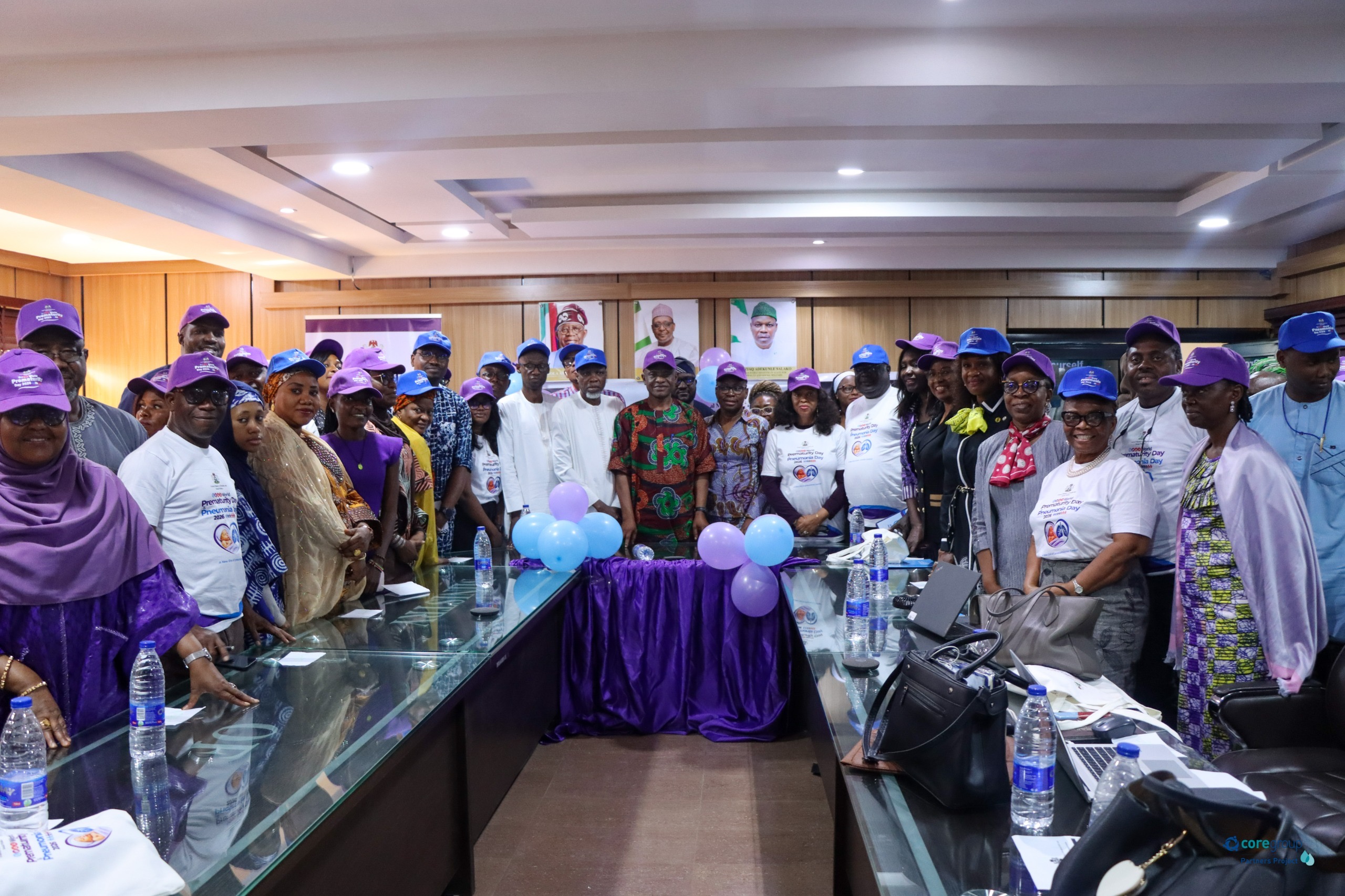
The Coordinating Minister of Health and Social Welfare, Muhammad Pate, disclosed this at the joint commemoration of World Prematurity Day and World Pneumonia Day in Abuja.
According to a statement issued on Wednesday by the ministry’s Assistant Director of Information and Public Relations, Ado Bako, under-five mortality declined from 132 deaths per 1,000 live births in 2018 to 110 in 2024.
Mr Pate, represented by the Director of Health Planning, Research and Statistics, John Ovuoreye, said childhood pneumonia also remains a significant contributor to preventable deaths, underscoring the need for sustained interventions.
The 2024 Nigeria Demographic and Health Survey (NDHS) reveals disparities in child survival, with neonatal mortality standing at 45 deaths per 1,000 live births in rural areas compared with 35 in urban areas.
The figures remain above the Sustainable Development Goal target of no more than 12 neonatal deaths per 1,000 live births by 2030.
In November 2025, PREMIUM TIMES reported that Nigeria loses approximately 850,000 newborns and children under five annually to preventable causes, according to government estimates.
Mr Pate said the government is implementing the Nigerian Child Survival Action Plan 2025–2029, prioritising newborn care, immunisation, nutrition and effective referral systems.
He highlighted efforts to strengthen neonatal nursing education and improve access to respiratory support equipment and essential medicines, including caffeine citrate for managing breathing interruptions in premature babies.
The ministry’s Permanent Secretary, Kachollom Daju, represented by the Director of Family Health, Ahmed Ozi, called for stronger political leadership and sustained investment in evidence-based interventions.
She also emphasised the need for adequately equipped health facilities and timely access to quality care.
The World Health Organisation (WHO) Country Representative, Pavel Ursu, represented by the Team Lead for Health Systems and Services, Mary Brantuo, emphasised that premature babies require sustained medical attention beyond discharge from neonatal intensive care units.
Mr Ursu noted that regular monitoring, developmental assessments, specialised support and timely medical interventions are essential to their survival and long-term well-being.
The organisation said approximately 15 million babies are born prematurely worldwide annually, with prematurity remaining a major contributor to neonatal deaths in Nigeria.
It added that pneumonia continues to threaten child survival, calling for stronger prevention, early diagnosis, effective treatment and equitable access to quality healthcare.
UNICEF’s Maternal and Newborn Health Specialist, Victoria Isiremen, commended the ministry’s efforts to advance maternal, newborn and child health interventions.
She reaffirmed UNICEF’s commitment to supporting affordable, quality, and evidence-based healthcare before, during, and after birth, including early breastfeeding, essential newborn care, skilled community-based services, and improved neonatal healthcare.
Ms Isiremen also acknowledged ongoing efforts to strengthen newborn care through improved training, guidelines and capacity building for healthcare professionals, including the expansion of specialised newborn care services.
Representatives of the United Nations Population Fund (UNFPA) and CARE Nigeria highlighted the life-saving importance of continuous follow-up care, access to quality healthcare and sustained support for families.
Meanwhile, the Paediatric Association of Nigeria (PAN) called for national guidelines for follow-up care of premature babies, covering growth and developmental monitoring, nutrition, screening, early intervention, parental education, and psychosocial support.
The association expressed its readiness to collaborate with the ministry, the Nigerian Society of Neonatal Medicine (NISON) and development partners to develop the proposed guidelines.
Stakeholders also called for improved vaccination, access to medical oxygen, effective diagnostic services and prompt treatment of pneumonia, particularly among children under five.
The Chairman of the National Child Health Technical Working Group, Robinson Wammanda, reaffirmed the group’s commitment to coordinating stakeholder efforts and supporting the implementation of evidence-based interventions to reduce preventable deaths associated with prematurity and pneumonia.
World Prematurity Day and World Pneumonia Day are commemorated annually in November to raise awareness of the health challenges associated with premature birth and pneumonia, both of which are leading causes of deaths among children under five globally.
The commemorations also highlight the importance of prevention, early diagnosis, timely treatment and equitable access to quality healthcare in reducing preventable childhood deaths.