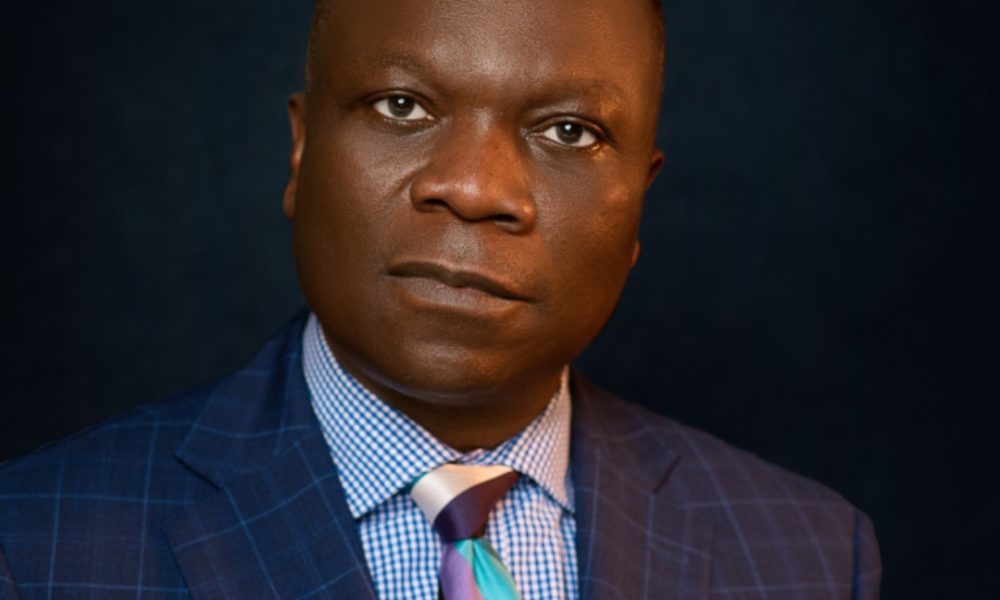
Banwo said the contributions of Nigerians in the diaspora often go beyond the money they send home, arguing that many have carried significant financial responsibilities for relatives while struggling to establish themselves in foreign countries.
Recounting his own experience after relocating to the United States in 1995, Banwo said he earned a take-home pay of about $580 every two weeks but regularly sent approximately $250 to Nigeria to support his family.
At the time, his wife and two young children were still in Nigeria, while his retired father and some of his siblings also depended on his financial assistance.
He said the responsibility was not always easy, particularly after meeting his own expenses, including rent, utility bills, food and car payments.
According to Banwo, there were occasions when he had just $20 left to feed himself for the next two weeks after sending money home and settling his essential bills.
Yet, he continued supporting his family, insisting that his experience reflected the difficult choices many Nigerians abroad make to ensure their loved ones do not suffer.
Banwo argued that such sacrifices are often overlooked when Nigerians at home accuse members of the diaspora of abandoning the country or failing to contribute enough to its development.
He said many Nigerians who relocated to the United States, Canada, the United Kingdom and other countries have continued to pay school fees, support elderly parents, finance businesses, build houses and help relatives secure better opportunities.
The Mayor of Fadeyi also recalled helping some of his siblings relocate abroad, adding that he prioritised building a house for his retired father before acquiring land or constructing a home for himself.
You May Like:
He said the decision was driven by his desire to give his father a permanent home after years of living in rented accommodation.
For Banwo, such decisions illustrate the emotional and financial obligations that continue to tie many Nigerians abroad to their homeland, even when they are struggling to establish comfortable lives overseas.
He further argued that diaspora contributions should not be measured only by remittances, citing his involvement in initiatives aimed at improving Nigeria’s electoral and governance systems.
He said he personally spent millions of naira between 2009 and 2015 funding the Nigerian Election Vigilantes Organisation, an initiative he claimed had chapters in about 28 states.
Banwo also cited his involvement in Naija Lives Matter, an organisation he said he had operated since 2015, with offices in several states.
However, he questioned whether Nigerians adequately appreciate these efforts, arguing that members of the diaspora are frequently caught between contradictory expectations.
According to him, those who speak out against government policies are sometimes accused of interfering in matters they no longer understand, while those who choose to stay away from political controversies are criticised for not doing enough to help their country.
He maintained that many Nigerians abroad continue to support their families and communities because of emotional attachments and a sense of responsibility, rather than because Nigeria has necessarily made life easy for them.
Banwo urged Nigerians to acknowledge the sacrifices already being made by their compatriots abroad instead of continually demanding more from people who also have families, bills and responsibilities in their