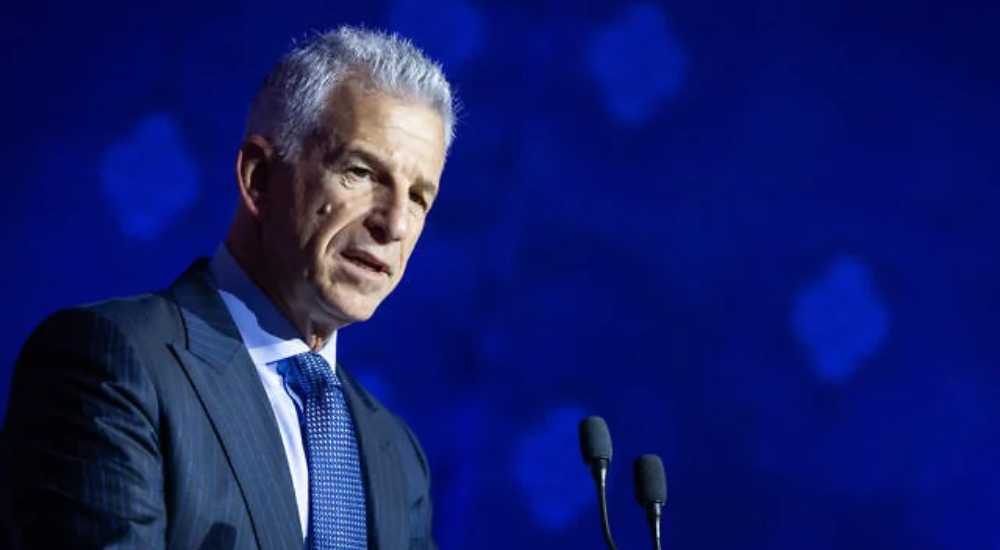
Adekunle, who criticised the proposed legislation, said the government should prioritise balancing the interests of landlords and tenants rather than imposing rental restrictions that fail to account for the economic realities of property ownership.
In a position statement, he argued that rent determination was influenced by market forces, particularly demand and supply, as well as inflation, rising building material costs, maintenance, labour, transportation, electricity, property taxes and the general cost of living.
He maintained that residential properties were investments rather than charity projects, noting that many landlords acquired properties through bank loans and mortgages that required regular repayment.
To illustrate the financial implications, Adekunle cited a hypothetical N100 million mortgage facility over 25 years at an illustrative interest rate of nine per cent per annum, which would require monthly repayments of approximately N839,000, amounting to more than N10 million annually.
He warned that legislation artificially restricting rental income without considering financing costs, maintenance, inflation and property depreciation could undermine the sustainability of investments in residential accommodation.
According to him, such restrictions could force landlords to withdraw their properties from the rental market, leave them vacant or convert them to alternative uses.
He added that the proposed law could also encourage underground rental arrangements, discourage private investors from developing residential properties and worsen the housing shortage, potentially pushing rents higher in the unregulated market.
Adekunle, however, urged the state government to address the fundamental factors responsible for the housing deficit rather than focusing exclusively on rent control.
He called for a balanced tenancy law that protects tenants against arbitrary rent increases and unlawful eviction while also safeguarding landlords against defaulting tenants and property damage.
Adekunle also advocated reasonable regulation of agency and professional fees, transparent procedures for caution deposits and refunds, and incentives for developers and landlords investing in affordable rental housing.
He also urged the government to consider prevailing inflation, construction costs and mortgage obligations when formulating provisions for rent reviews.
He maintained that although housing was a social necessity, its provision was also an economic activity requiring capital, investment and reasonable returns.
Adekunle warned that discouraging investment in rental housing could create a bigger housing crisis in the effort to address the existing one.