Daud Olatunji
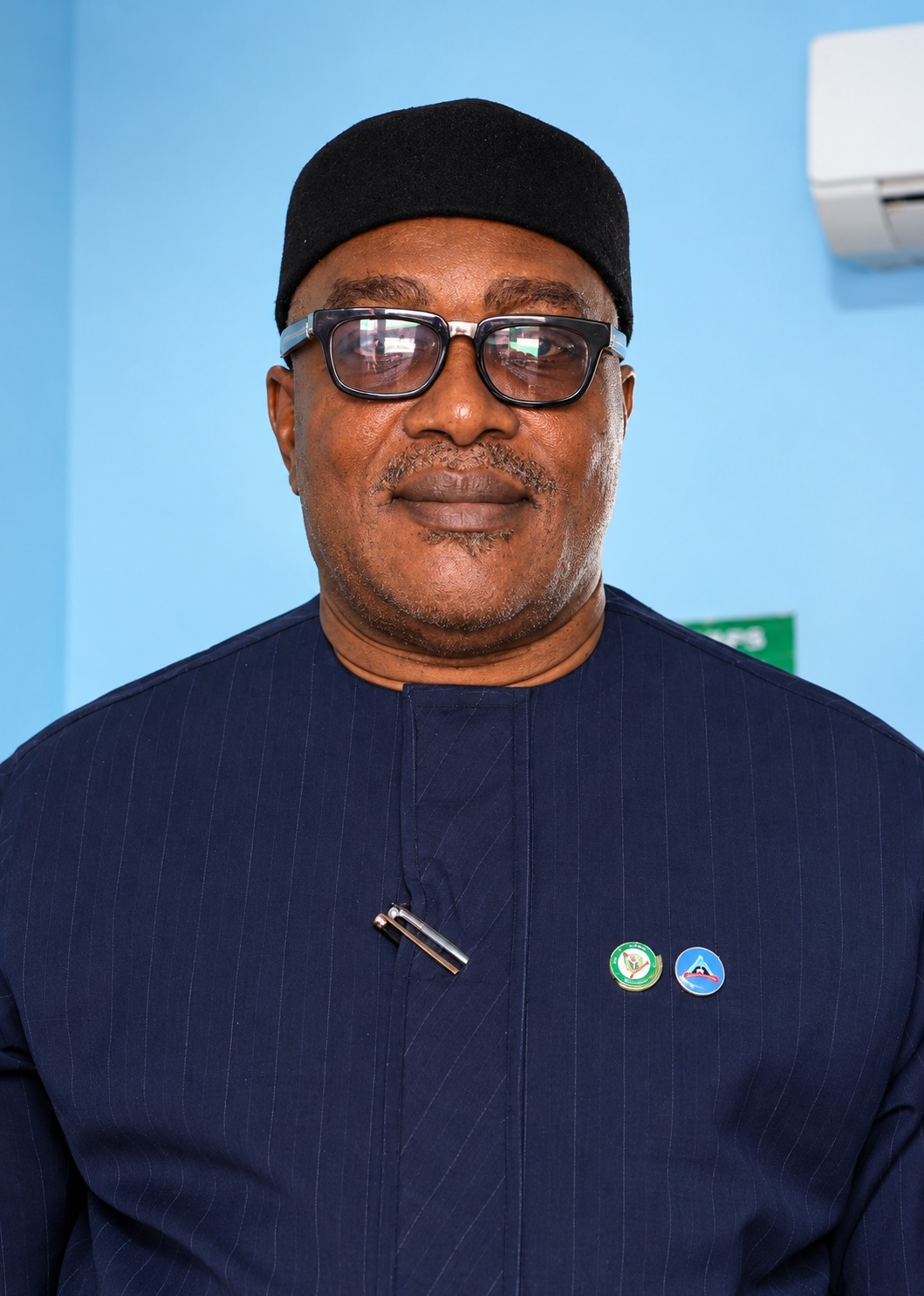
A former Director of the Department of State Services (DSS), Mike Ejiofor, has challenged security agencies to arrest and prosecute politicians allegedly procuring weapons and drugs for youths to unleash violence during elections, warning that targeting only the foot soldiers would not address the growing menace of electoral violence.
Ejiofor described politicians’ alleged involvement in purchasing weapons and recruiting youths for electoral violence as a well-known practice, questioning why those financing and sponsoring such activities had continued to evade arrest and prosecution.
The former security chief wondered how many politicians implicated in the alleged procurement of weapons for electoral violence had been arrested, insisting that security agencies must demonstrate their commitment to tackling the menace by going after the sponsors rather than concentrating exclusively on the youths recruited to execute their plans.
He spoke on Thursday during an exclusive interview on Frontline, a current affairs programme on Eagle 102.5 FM, Ilese-Ijebu, Ogun State, while reacting to allegations raised on the floor of the Senate that some politicians procure weapons and drugs for youths to perpetrate violence during elections.
“It’s a well-known fact that politicians also buy weapons, but the question is how many of them have been arrested?” he asked.
Ejiofor maintained that nobody should be shielded from prosecution on account of political influence or position, stressing that politicians found culpable of sponsoring electoral violence must be subjected to the same legal consequences as those who carry out the attacks.
“For individuals who commit offences, they should be dealt with equally. Nobody is above the law. Everybody is equal before the law. So you can’t say because people in government or government in power is exclusive,” he said.
He argued that allowing alleged sponsors of electoral violence to escape accountability while prosecuting only the youths deployed to perpetrate attacks would undermine efforts to curb political violence.
The former DSS director also issued a strong warning to Nigerian youths against allowing themselves to be recruited as political thugs, urging them to recognise that politicians who send them into violent confrontations are often unwilling to expose their own children to similar dangers.
According to him, the children of many politicians are either protected from the dangers of political violence or live outside the country, while vulnerable youths are recruited to fight battles that serve the personal interests of their political sponsors.
He said, “If you are being used as a thug or to promote violence, if you ask the politicians sending you to bring their children to lead, some of their children are outside the country and are using other people’s children. So it’s just illiteracy.”
“First, I’m not a politician. Secondly, even if I’m a politician, I cannot go and recruit other people’s children to go and fight for me while my children are at home,” he added.
He warned that youths who accept money or other inducements to participate in political violence risk losing their lives, sustaining life-threatening injuries or facing criminal prosecution, while the politicians who allegedly mobilised them could remain insulated from the consequences.
The security expert further cautioned that there was no guarantee that the families of youths killed during such violent confrontations would receive compensation or assistance from the politicians who recruited them.
“So this should be said to these youths, that you can lose your life in the process, and nobody will pay compensation, nobody will care, because it is like committing suicide on your own part. It’s just an act of wickedness on the part of politicians,” he said.
His remarks come amid growing concerns over the possible use of armed youths, illicit drugs and political thuggery to disrupt the 2027 general election, raising fresh questions about the preparedness of security agencies to identify, apprehend and prosecute individuals financing electoral violence.
Ejiofor’s intervention underscores the need for security agencies to investigate the entire chain of electoral violence, including the alleged financiers, arms suppliers, recruiters and those who ultimately carry out attacks, rather than treating the perpetrators at the grassroots as the only offenders.
He maintained that the fight against electoral violence would remain incomplete unless influential individuals allegedly behind the mobilisation and arming of political thugs were also held accountable.
FOLLOW US