The Independent National Electoral Commission (INEC) has urged the Nigeria Police Force to speed up the arrest and prosecution of perpetrators of political violence ahead of the 2027 general elections. According to a statement by INEC, the commission’s Chairman, Professor Joash Amupitan, made the appeal on Tuesday in Abuja, warning……
The Independent National Electoral Commission (INEC) has urged the Nigeria Police Force to speed up the arrest and prosecution of perpetrators of political violence ahead of the 2027 general elections.
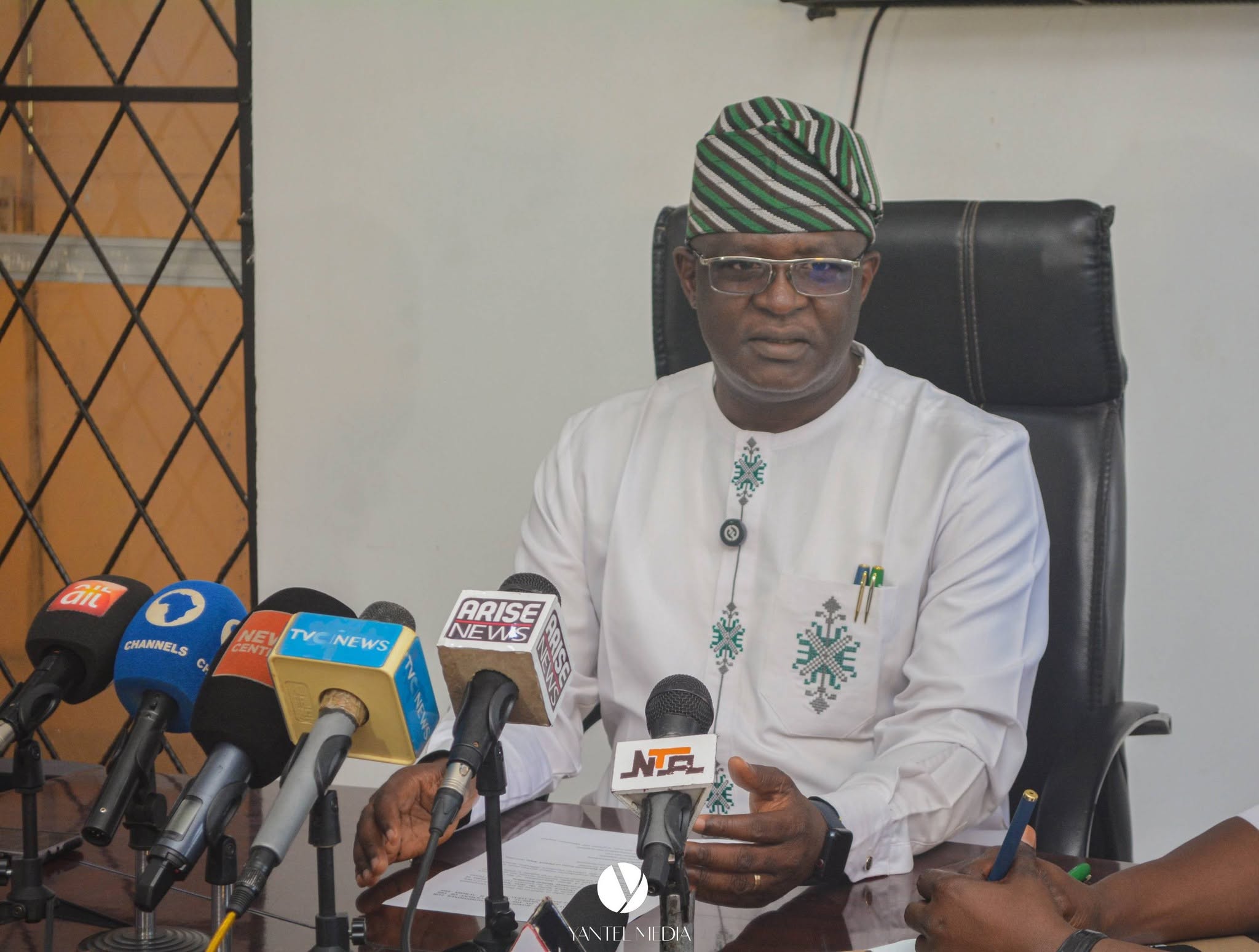
According to a statement by INEC, the commission’s Chairman, Professor Joash Amupitan, made the appeal on Tuesday in Abuja, warning that delays in investigating and prosecuting offenders could encourage further attacks as political campaigns intensify.
He urged the Police to ensure swift arrests, thorough investigations and prompt transmission of case files to the Commission, which is empowered to prosecute electoral offenders under the Electoral Act 2026.
Amupitan spoke at an interactive session organised by the Inspector-General of Police, Olatunji Rilwan Disu, with chairmen and secretaries of political parties on peaceful conduct before, during and after the 2027 elections.
The INEC chairman said the Commission was concerned about reported incidents of campaign violence, intimidation and attacks on political opponents, journalists and electoral facilities.
He said the Electoral Act 2026 had strengthened legal measures against electoral offences, citing Sections 96 and 97, which prohibit inciting campaign statements and the use of thugs, private armed guards or masquerades at political rallies.
READ ALSO: Tinubu Deploys 10,330 Electric Vehicles, Plans 50MW Solar Project For North-East
According to him, the law provides penalties of up to N5 million or 12 months’ imprisonment for individuals, while political parties could face fines of up to ₦10 million for initial breaches.
Amupitan also cited Section 148 of the Act, which empowers INEC to prosecute electoral offenders upon receiving completed case files from the Police.
The chairman said, “impunity is decisively checked before January”, stressing the need for the security agencies to act promptly against perpetrators.
He reminded political parties that Section 95 of the Electoral Act assigns the responsibility for providing security at political rallies to the Police.
“INEC is not a security agency; it lacks both the constitutional mandate and operational capacity to maintain public order, arrest offenders, or provide armed security,” he said.
He urged political parties to notify state Commissioners of Police in writing about their rally venues and schedules, while also submitting the information to INEC at least 10 days before the events.
Amupitan further called on political leaders “to refrain from seeking political support by creating fear”, urging them instead to “earn public confidence through integrity and transparency”.
The INEC chairman also appealed to security personnel to remain impartial, saying, “Their presence should reassure citizens, not foster intimidation or suggest alignment with any political party.”
Beyond campaign security, Amupitan sought police support for INEC’s nationwide mock accreditation and result transmission exercise scheduled for Saturday, November 28.
He said the exercise would take place across the 36 states and the Federal Capital Territory to test upgraded Bimodal Voter Accreditation System devices and automated validation protocols on the INEC Result Viewing Portal under live field conditions.
He called for targeted police deployment to designated mock polling centres and collation points to ensure the exercise was conducted without disruption.
The chairman said INEC was preparing for an election involving 103.43 million verified registered voters, 57,000 newly procured BVAS devices and more than 1.41 million ad hoc personnel.
He also urged the Police to activate the Inter-Agency Consultative Committee on Election Security’s (ICCES) operational framework down to local government areas and wards, with rapid-response teams positioned around potential flashpoints and difficult-to-access areas.
He called for adequate security around Registration Area Centres, polling units, collation centres and INEC offices from the commencement of deployment until the final declaration of results.
On the spread of false information, Amupitan warned that fabricated security alerts and manipulated audio-visual materials were being used to discourage voter participation.
He proposed real-time verification channels between INEC’s Situation Room and the Police Force Headquarters to counter false reports quickly.
The INEC chairman said the presidential and National Assembly elections would hold on January 16, 2027, while governorship and State Houses of Assembly elections were scheduled for February 6, 2027.
In his remarks, the Inspector-General of Police, Olatunji Rilwan Disu, warned that violent clashes among political supporters, attacks on campaign venues and convoys, and the use of dangerous weapons posed serious threats to the country’s security.
He described the incidents as “warning signs that must be addressed decisively before they escalate into a broader threat to national security”.
Disu declared that the Police had “zero tolerance for political violence, irrespective of the political party, candidate, personality or interest involved”.
He also maintained that the Force’s neutrality in the political process “is non-negotiable”.
The IGP warned that those financing or sponsoring political violence would face the same level of scrutiny as those directly involved in the attacks.
“Those who sponsor, finance or direct political violence will be treated with the same seriousness as those who carry them out,” he said.
He assured political parties that the Police would protect their right to organise rallies and participate in the democratic process but would act against anyone involved in thuggery, intimidation, assault or the use of offensive weapons.
Disu also urged political party leaders to take responsibility for the conduct of their supporters, directing national chairmen to issue clear instructions against violence and ensure compliance across their structures.
He said the meeting was designed “to move us beyond general appeals for peace towards clearly defined responsibilities and practical commitments”.
The IGP disclosed that guidelines on the conduct expected of political parties before, during and after the 2027 elections were presented at the meeting, while parties were expected to sign a Joint Peace and Security Undertaking.
“These must not be documents signed for public display and subsequently abandoned,” he said.
He further urged political parties to discourage reprisals after the announcement of election results and pursue grievances through lawful judicial processes.
Both officials stressed the need to prevent loss of lives during the electoral process.
Amupitan said, “No election, office, or partisan interest is worth the loss of a single Nigerian life.”
Disu similarly declared that “No political ambition is worth the life of a Nigerian.”
The INEC chairman said ensuring a peaceful electoral environment required the commitment of all stakeholders, adding that “achieving a peaceful political environment is a collective national responsibility, not the duty of a single institution.”