The Niger State Government has announced a N148 million compensation package for families who lost loved ones in the deadly communal violence involving Kambari vigilantes and Fulani herders in Borgu Local Government Area, as security agencies intensify efforts to restore peace to the troubled communities.
Governor Mohammed Umaru Bago announced the compensation during a visit to the Emir of Borgu, Alhaji Halilu Sani Dantoro, at his palace in New Bussa, following the violence that claimed 74 lives.
The governor said each of the 74 bereaved families would receive N2 million, adding that the government had commenced an assessment of the destruction caused by the attacks and subsequent clashes.
He also promised that communities whose houses and properties were destroyed would receive government support for reconstruction.
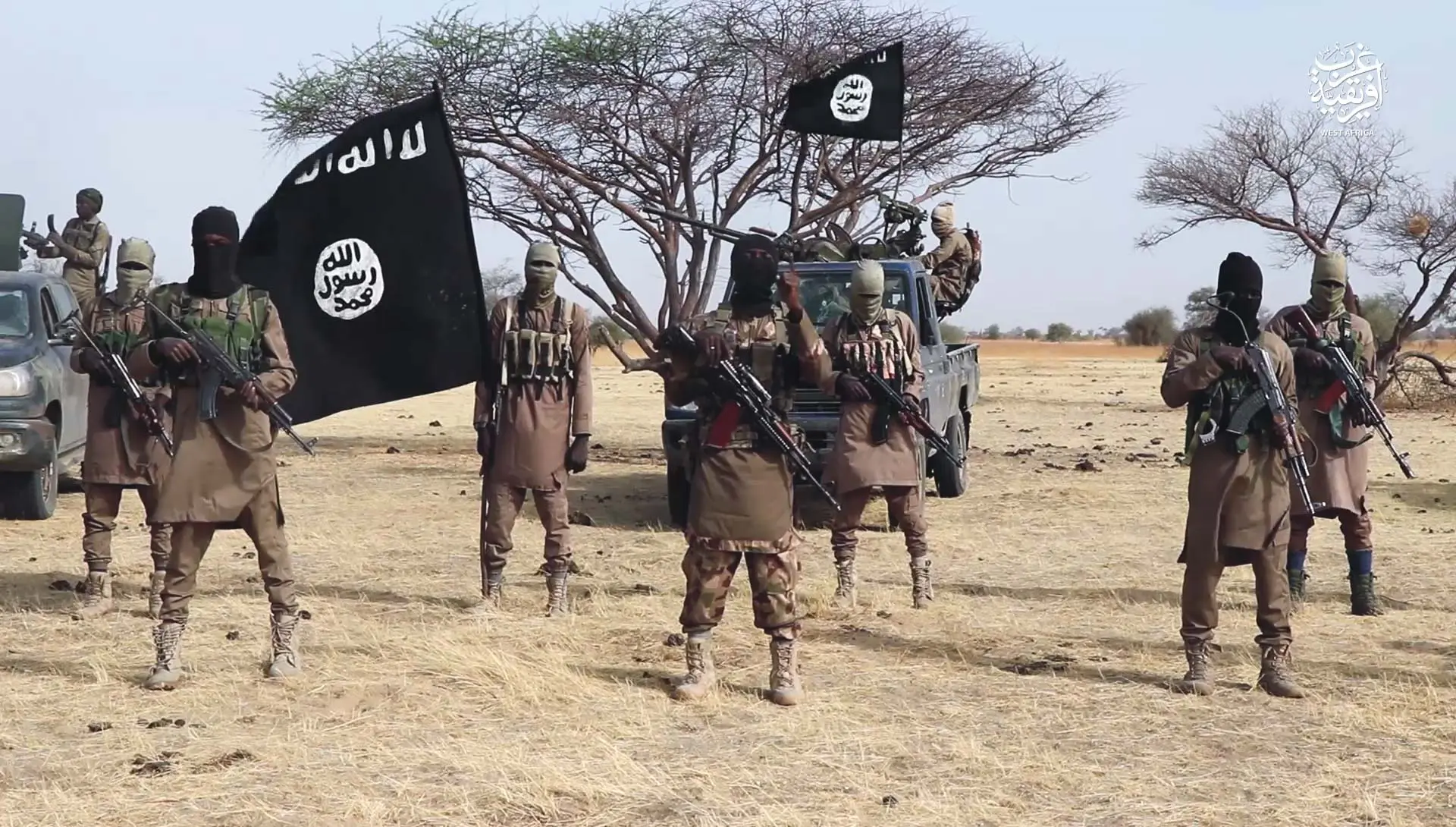
The violence reportedly followed an attack on Lumman-Ba’are community last Saturday by suspected terrorists, who killed the village head, Mallam Bawa Muhammad, his wife and three of his children before setting his palace ablaze.
The incident subsequently triggered a reprisal operation by local vigilantes after a captured suspect allegedly identified Gada Oli community as the origin of the attackers.
A community leader in Wawa told Daily Trust that the vigilantes mobilised and moved towards Gada Oli, attacking people they encountered along the route, including residents of Wawa and other Fulani settlements.
The development reportedly escalated tensions between Kambari residents and Fulani herders, resulting in a deadly communal confrontation.
Appealing for calm, Bago urged both communities to abandon violence and return to peaceful coexistence, stressing that the Kambari and Fulani communities had lived together for generations.
He described the situation as unfortunate, warning that the crisis should not be allowed to degenerate into ethnic cleansing.
“There is no victor and no vanquished. When ethnic cleansing is happening, the best thing is to appeal to all factions to embrace peace,” the governor said.
As part of efforts to prevent further violence, Bago announced plans for an amnesty programme that would encourage residents to surrender illegal firearms.
He said the initiative would be organised in collaboration with the National Centre for the Control of the Proliferation of Small Arms and Light Weapons.
Meanwhile, the Inspector-General of Police, Olatunji Rilwan-Disu, has ordered the deployment of additional personnel from the Police Counter-Terrorism Unit to Borgu LGA to strengthen security operations.
The IGP, represented by the Deputy Inspector-General of Police in charge of Operations, Shehu Umar Nadada, visited Lumman-Ba’are to assess the situation and engage community leaders.
Nadada described the attacks and subsequent communal violence as disturbing, cautioning residents against allowing terrorism and banditry to fuel ethnic divisions.
He assured residents that additional operational assets would be deployed to support security personnel in the area.
The Emir of Borgu appealed to the state and Federal Governments to take decisive steps towards addressing the persistent security challenges confronting the kingdom.
He noted that the area had been battling banditry, kidnapping and insurgency before the latest clashes, adding that growing mistrust among communities had worsened the situation.
The monarch said the emirate council would continue engaging stakeholders to promote dialogue, unity and cooperation with security agencies.
In a related development, Niger State Commissioner of Police, Salisu Bello-Fago, warned police personnel against exploiting the security crisis to harass or extort internally displaced persons and other residents.
He charged officers to maintain professionalism while handling the situation and avoid corrupt practices.
The police commissioner also acknowledged the contributions of vigilantes to local security operations, urging them to continue supporting security agencies while assuring that efforts would be made towards their eventual integration into the state’s security framework.